
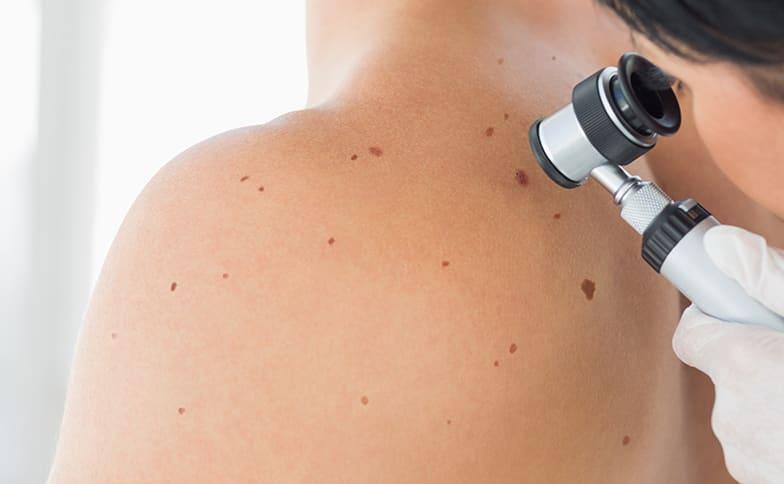

Skin cancer occurs when changes in skin cell DNA cause cells to grow out of control. Sun exposure is a well-known cause, but genetics also plays a role in your risk. The genes you inherit can affect your skin type and your body’s ability to repair damage. When you understand your genetic risk, you can plan screenings with your doctor.
Understanding Inherited Traits
Some physical traits come from your genes. They affect how your skin responds to sunlight. This can mean a greater risk for skin cancer, so understand what traits you have. Knowing these traits can help you and your doctor make informed decisions about screening. Here’s what to look for:
- Skin that is light, light eyes, and red or blond hair: These traits are sometimes linked to higher skin cancer risk because they mean less melanin, and melanin helps shield skin cells from ultraviolet (UV) radiation.
- Skin tone and sun reaction: Skin tone exists on a spectrum, and your position on that spectrum matters.
- Freckles: Freckles signal areas where melanin is unevenly distributed.
- Mole count: Mole count is also partly inherited.
- The ABCDE method: Dermatologists use this method to identify moles that need attention.
Recognizing Gene Mutations
If two or more relatives have had melanoma, genetic counseling may help, and testing will clarify your risk. A genetic counselor will explain what results mean for you and your family. Other gene mutations also contribute to hereditary risk. Knowing a mutation exists helps you and your doctor build a monitoring plan. Genetic counseling does not require a confirmed mutation to be useful. A counselor can review your family tree, assess patterns, and recommend whether genetic testing makes sense for you. Testing is usually done with a simple blood or saliva sample, and results are typically available within a few weeks. Your care team may adjust your screening schedule, and they will provide guidance on protective measures.
Exploring Treatment Options
Treatment depends on cancer type, size, and location. Excision surgery removes the tumor and a margin of healthy skin around it. The removed tissue is examined to confirm that all cancer cells were cleared, and a wider excision may be needed if margins are not clear. This procedure is commonly used for basal cell carcinoma, squamous cell carcinoma, and some melanomas, and it is often performed in an outpatient setting. Recovery time varies based on the size of the excision. Most patients resume normal activities within a few days to a couple of weeks.
Photodynamic therapy uses a light-sensitive drug and a special light, and it treats some early, surface-level cancers. The drug collects in abnormal cells, and the light activates it to destroy them while limiting damage to surrounding tissue. It works best on thin, superficial cancers. It is not suitable for deeper or more advanced tumors. Radiation therapy targets cancer cells with high-energy beams, and doctors may use it when surgery is not an option.
Schedule a Skin Cancer Screening
Your genes are one part of your skin cancer risk. You cannot change your genes, but you can control sun exposure and screening habits. Use broad-spectrum sunscreen with SPF 30 or higher, and wear protective clothing outdoors. Check your skin each month for new or changing spots. Share your family history with a dermatologist. Ask about genetic counseling if relatives had melanoma. Schedule a full-body skin exam to review your personal risk.
