
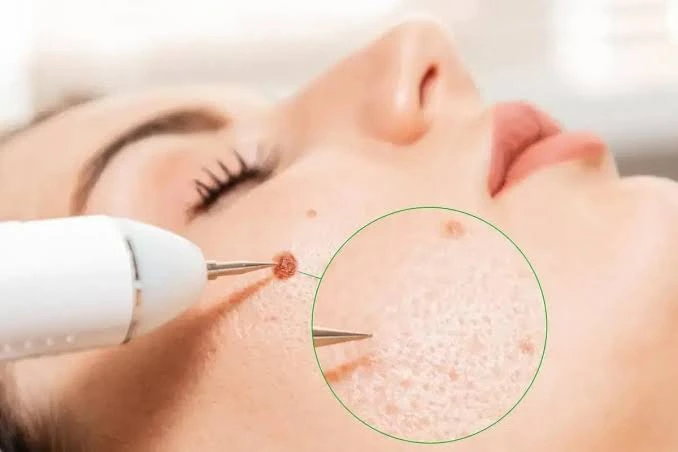

Skin cancer surgery addresses more than the cancer itself. The method your provider selects shapes how your skin heals, and it can affect your skin for years. When a treatment removes less healthy tissue, the skin has less to repair.
Steps of Mohs Surgery
Mohs skin cancer surgery takes place in the office under local anesthesia, so prepare yourself for the surgery. Your surgeon removes one thin layer of skin, and a lab team prepares it for review. The surgeon then uses a microscope to view the margins of the cancer in real time. If cancer cells remain at an edge, the surgeon removes another layer, and the process repeats until margins are clear. Because each layer is checked before the next is taken, the procedure is thorough but not excessive.
The visit can take several hours, so bring a book or snack. Most patients return to light activity the same day, and downtime is generally minimal. This layer-by-layer approach matters for your skin over time. Since smaller wounds close more easily, the surrounding skin experiences less tension during healing. This can support a more even skin texture as the site matures.
Alternatives for Early Lesions
Since photodynamic therapy offers a nonsurgical option for certain early lesions, it may be a less visible treatment option. It treats precancerous spots called actinic keratoses and some superficial basal cell carcinomas. Your provider applies a light-sensitive solution to the skin, and a special light activates it after a waiting period. The activated solution targets abnormal cells and leaves most healthy cells intact. Although the treatment requires no incisions, the area may turn red and can peel for about a week. When the lesion qualifies, the treatment clears abnormal cells without removing healthy tissue, making recovery more straightforward. Because no cutting is involved, the skin surface heals with less scarring. The treatment also supports long-term skin health by addressing precancerous cells before they progress. Removing them early reduces your risk.
Care After Treatment
Healing continues for weeks after your procedure. Since you should follow your wound care instructions closely, keep all follow-up appointments. Scars continue to change for up to a year, so protecting the site during that time matters. A history of skin cancer raises your risk of another, and staying proactive is the best way to protect your skin. Here is what to focus on as you recover.
- Cleanse the area, apply petroleum jelly, and cover it with a clean bandage until the site closes, if your provider recommends this.
- Change the bandage daily, or whenever it becomes wet or dirty.
- Wash your hands before touching the area.
- Call the office if you notice increased redness, swelling, or drainage, and describe what you see.
Schedule Your Skin Cancer Surgery Consultation
The treatment you choose influences your skin long after the cancer is gone. A consultation is the first step. Your provider will examine the lesion, and together you can review whether Mohs surgery or photodynamic therapy suits your diagnosis. When you call your office, ask about the next available appointment. Schedule your consultation today to start your treatment plan.
