
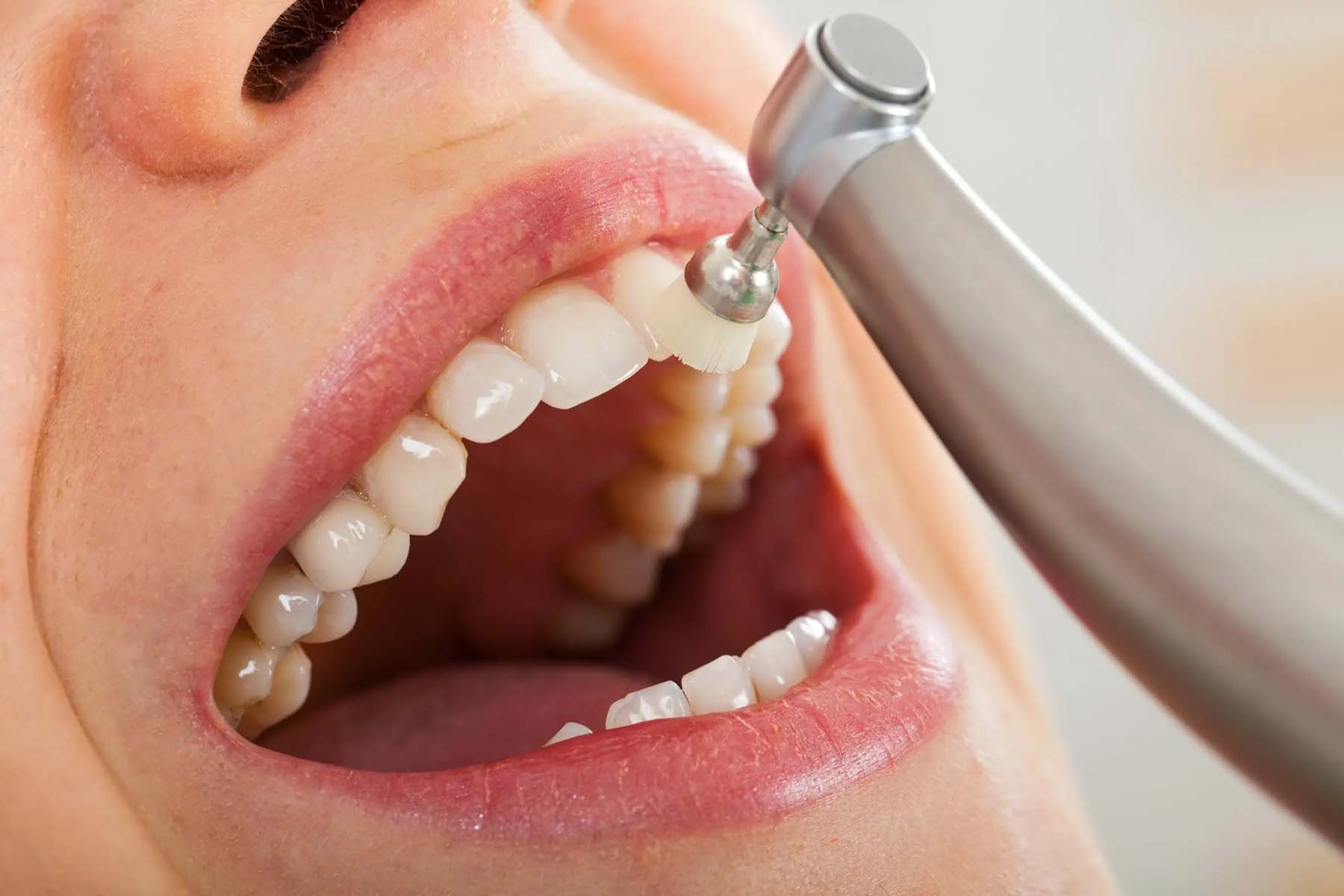

Persistent bad breath, tartar buildup, bleeding gums, tooth sensitivity, and stained enamel may indicate a need for professional dental cleaning. Although regular brushing and flossing help remove plaque, hardened tartar requires professional cleaning to reduce buildup and support oral health. Routine dental visits allow providers to remove tartar, evaluate gum health, and identify potential concerns before they develop into more serious problems. Here is more information about a few signs that you need professional teeth cleaning and care:
Recognizing Persistent Bad Breath
Persistent bad breath, also known as halitosis, may result from bacterial buildup, trapped food particles, or underlying oral health conditions. Although brushing and mouthwash help manage temporary odors, they may not remove hardened tartar or bacteria beneath the gumline. Professional teeth cleaning removes plaque and tartar buildup, helping address certain causes of unpleasant breath.
Sometimes chronic bad breath also indicates gum disease, dry mouth, or other conditions that require further evaluation. Because bacteria are able to accumulate in areas that regular brushing cannot reach, dental hygienists use specialized tools to clean affected surfaces. Routine dental visits help identify potential causes of persistent bad breath and support appropriate treatment recommendations.
Recognizing Visible Tartar Buildup
Tartar appears as yellow or brown deposits along the gumline, and regular brushing won’t remove it once hardened. When plaque remains on teeth, it can harden into tartar, creating rough surfaces that encourage additional bacterial buildup. Dental professionals use specialized scaling instruments to remove tartar from tooth surfaces and around the gumline. Because untreated tartar may contribute to gum inflammation, cavities, and periodontal disease, professional cleanings help maintain oral health. Regular dental visits allow providers to monitor plaque accumulation, remove hardened deposits, and recommend preventive care based on individual needs.
Recognizing Bleeding or Swollen Gums
Bleeding or swollen gums often indicate inflammation caused by plaque and tartar buildup along the gumline. Healthy gums typically appear firm and pink, while irritated gums may become red, swollen, or tender. These symptoms often occur during the early stages of gingivitis, a common form of gum disease.
Gingivitis develops when bacteria accumulate around the gums, causing irritation and inflammation. Without appropriate treatment, gingivitis may progress to periodontitis, which affects the tissues and bone supporting the teeth. Professional dental cleanings help remove plaque and tartar, supporting healthier gums and reducing inflammation.
Regular brushing, flossing, and professional cleanings help maintain gum health and manage bacterial buildup. Because persistent bleeding or swelling is able to indicate an underlying dental condition, patients should seek an evaluation when symptoms continue. Dental providers can assess gum health and recommend treatment based on the severity of inflammation.
Recognizing Tooth Sensitivity and Pain
Tooth sensitivity may cause discomfort when consuming hot, cold, or sweet foods, often resulting from enamel wear or gum recession. Because exposed tooth roots lack protective enamel, changes in temperature or pressure may trigger discomfort. Plaque and tartar buildup contribute to gum inflammation, while cavities and other dental conditions also cause sensitivity. Common signs and concerns include:
- Experiencing sharp discomfort when consuming hot or cold foods
- Noticing sensitivity when eating sugary foods
- Developing tenderness around the gumline
- Experiencing discomfort when biting or chewing
- Noticing increased sensitivity near exposed tooth roots
Professional dental cleanings remove plaque and tartar, while dental examinations help identify cavities, gum recession, and other causes of discomfort. Early evaluation allows providers to recommend appropriate treatments based on individual dental needs.
Schedule Your Teeth Cleaning Today
Most patients benefit from professional teeth cleanings every six months, although individual oral health needs may require more frequent appointments. Patients with gum disease, dry mouth, diabetes, or tobacco use benefit from additional monitoring and personalized cleaning schedules. Because plaque and tartar accumulate over time, routine dental visits help manage buildup and identify potential oral health concerns. Schedule your professional teeth cleaning today to support healthy teeth and gums through regular preventive care.
