
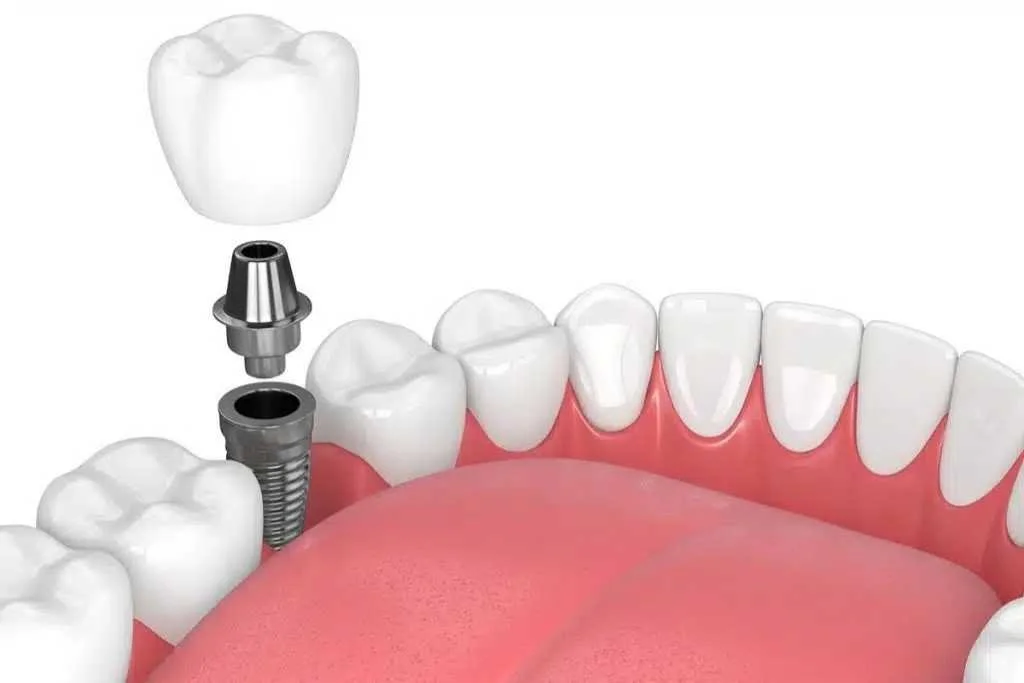

Dental implants replace missing teeth from the root up. Each implant is an artificial tooth root, and it supports a crown, bridge, or denture. Implants differ from removable dentures because they anchor directly into the jawbone. If you are discussing an implant, you should understand its structure.
Learn Your Implant Components
A dental implant has three main parts. The implant post sits in the jawbone, and it acts as the tooth root. The post is made from biocompatible material, such as titanium or zirconia. Your body accepts this material, so the bone grows around the post and fuses with it. The implant post comes in different sizes. Your provider selects the right size based on bone volume and tooth location. In the planning stage, your provider measures and chooses the post size before surgery. Understanding the post’s role shows why bone density matters and why some patients need a bone graft before placement. The abutment connects the post to the visible restoration. It sits just above the gumline, and it holds the restoration securely in place.
Know Your Treatment Stages
Implant treatment usually happens in stages over several months, so plan your appointments ahead. The first stage is a consultation. It includes a full clinical exam and imaging. Your provider reviews your gum health, bite, and medical history during this visit. Certain medications and health conditions can affect healing, so sharing your complete health history matters. X-rays or 3D cone beam scans show your bone density, jaw structure, and the location of nerves and sinuses. These images give your provider the details needed to plan accurately and avoid damage to surrounding structures.
Once the bone is ready, your provider confirms this with imaging. They schedule the next stage of treatment. An oral surgeon or periodontist places the implant post in a surgical procedure. Local anesthesia numbs the area, and sedation is available for some patients. Your provider makes a small gum incision, and they place the post into a prepared bone site.
Follow Your Implant Aftercare Steps
Follow these daily care steps to protect your implant:
- Brush twice a day with a soft-bristled brush and non-abrasive toothpaste.
- Floss around each implant daily; water flossers and interdental brushes help clean around bridges.
- Avoid chewing hard items like ice or pens, as they can chip the crown or stress the post.
- Watch for early signs of peri-implantitis: redness, swelling, or bleeding around the implant.
Although implants cannot decay, the surrounding gums can get infected. This is a condition called peri-implantitis. It develops when bacteria build up along the gumline and can cause bone loss around the post if untreated. If you notice warning signs, contact your provider promptly. Early treatment aids outcomes. Professional cleanings remove buildup from the implant and gums, and they allow your provider to check for early signs of problems.
Schedule Your Dental Implant Consultation
Dental implants involve planning, surgery, healing, and ongoing care. Each stage has specific steps, and knowing them helps you prepare. Before your consultation, list your questions about the timeline. Contact a provider to schedule your implant evaluation.
