
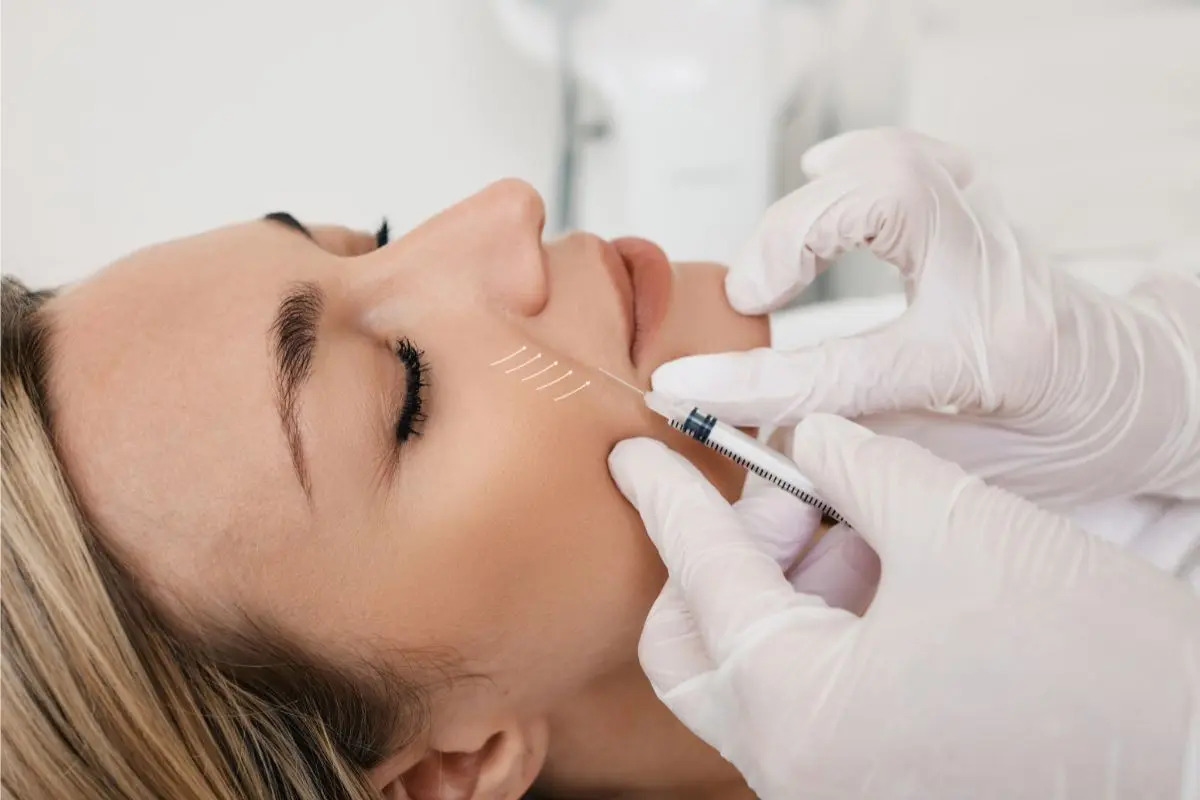

Botox is a popular nonsurgical cosmetic treatment that reduces the appearance of fine lines and wrinkles by temporarily relaxing targeted facial muscles. Understanding how Botox works and what to expect during treatment can help individuals make informed decisions. Here are some frequently asked questions about Botox:
What Can Botox Treat?
Facial expressions rely on small muscle contractions. When you frown, squint, or raise your eyebrows, these muscles fold the skin above them. Repeated folding leaves visible creases over time, and these creases often remain even at rest. Botox interrupts the nerve signals to targeted muscles, and the skin over them appears smoother as a result.
Providers commonly use Botox on dynamic wrinkles, which form through movement. Typical treatment areas include forehead lines, frown lines between the brows, and crow’s feet. Some providers also treat lines around the mouth, but suitability varies by person. Botox does not address pigmentation or skin texture, so your provider may pair it with other treatments.
What Happens During Treatment?
Botox treatments are minimally invasive procedures. The process is relatively quick and is generally performed in a provider’s office without anesthesia. Knowing what to expect can help you prepare for your appointment. Here is an overview of the standard steps involved in a Botox session.
Before the Injections
Your provider reviews your medical history, current medications, and cosmetic goals. They examine your facial muscles while you make specific expressions. This assessment shows where lines form, and it guides the placement and number of injections. If you take blood thinners or supplements, tell your provider, and they will advise you on any adjustments before treatment.
During and After the Injections
The provider cleans the treatment area and uses a fine needle for each injection. People often describe the sensation as a brief pinch, and some providers apply ice or numbing cream beforehand. Avoid rubbing the area after treatment. You should also stay upright for about four hours so the product stays where the provider placed it.
When Do Results Appear?
Botox does not produce instant results. People may notice initial changes within a few days, and full results generally appear around 10 to 14 days. Your provider may schedule a follow-up visit at the two-week mark to assess the outcome. If some areas need refinement, the provider adjusts the treatment, and the follow-up allows for touch-ups.
Results generally last three to four months. Muscle movement gradually returns, and lines slowly reappear. Several factors affect how long results last, including age, metabolism, and muscle strength.
What Are the Possible Risks?
Botox is a prescription treatment, and like any injectable, it has some risks. Most side effects are mild and short-lived. Your provider reviews these risks during your consultation so that you make an informed decision. The following are some common side effects:
- Bruising or swelling: Marks may appear at injection sites, and they usually fade within a few days.
- Headache: Some people report a mild headache in the first 24 to 48 hours.
- Drooping eyelid or brow: The product sometimes spreads to nearby muscles, which causes temporary drooping.
- Asymmetry: One side of the face may respond differently, and a follow-up visit can address this.
Schedule Your Botox Appointment Today
Botox offers a minimally invasive option for reducing the appearance of fine lines and wrinkles. It smooths skin in areas commonly affected by aging, such as the forehead, crow’s feet, and frown lines, by temporarily relaxing targeted muscles. Choosing a qualified provider supports proper technique and significantly reduces the risk of complications. Contact a qualified dermatologist near you to schedule your Botox appointment today.
