
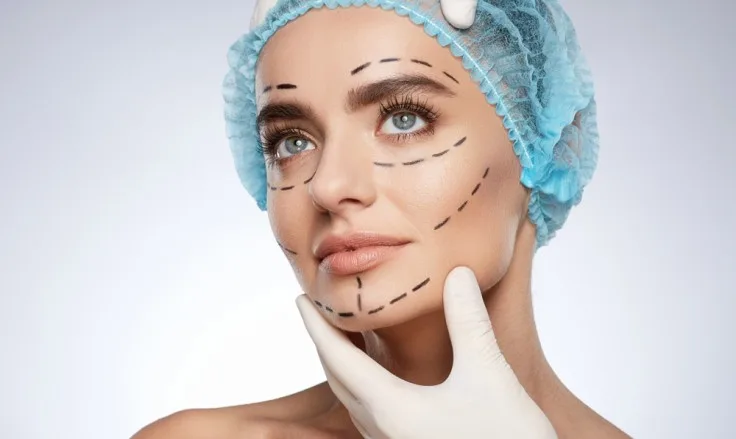

A support system during cosmetic procedure recovery provides physical assistance and practical help with daily tasks. Patients with reliable support may follow post-operative instructions more closely, and they also manage pain more effectively. Because they receive consistent help, these patients may experience fewer complications during healing. Here is more information on what cosmetic procedures involve, what recovery requires, and which types of support are available:
What Are Cosmetic Procedures?
Cosmetic procedures are medical treatments performed to change a person’s appearance rather than to address a medical condition.
- Minimally invasive treatments: Injectables and laser treatments typically require only a few days of downtime.
- Surgical procedures: Rhinoplasty, liposuction, and facelifts often require weeks of restricted activity.
- Combined procedures: Multiple treatments performed together may extend recovery and increase the need for assistance.
Patients evaluating any cosmetic procedure should discuss expected recovery timelines with their surgeon before scheduling to allow proper planning, including arranging support during recovery.
What Does Recovery Involve?
Recovery from a cosmetic procedure involves several stages, and each stage carries specific demands. Immediately following surgery, patients may experience swelling, bruising, and discomfort. These symptoms require pain management and close monitoring, which usually continues until the surgeon confirms that healing is on track.
During the following days or weeks, patients must follow care instructions to support recovery as the treated area heals. These may include wound cleaning, medication schedules, and activity restrictions. Mobility is often limited after surgery, so simple tasks like cooking, driving, or bathing can become difficult to do independently, and patients often need help until their strength returns.
What Are Different Support Systems?
When patients recover from cosmetic procedures, they can receive support from several sources, each of which addresses different recovery needs. Family and friends are often the first line of support; they can provide transportation to appointments, assist with household tasks, and offer companionship throughout the healing process. This support helps reduce the patient’s burden. Cosmetic procedure communities let patients share experiences and get peer guidance.
How Are Support Systems Beneficial?
A reliable support system contributes to recovery in several ways. Patients with home support are better positioned to follow post-operative instructions, and this may reduce the risk of complications. When rest requirements and medication schedules are consistently maintained, the likelihood of adverse outcomes may decrease.
Physical support prevents patients from overexerting themselves. Having someone available to prepare meals or manage household responsibilities helps; it allows the patient to focus entirely on recovery. The body may heal more effectively when physical demands are minimized.
Support systems additionally help patients recognize warning signs that require medical attention. A caregiver or family member who checks in regularly may notice symptoms the patient overlooks. This may prompt a timely call to the surgeon’s office, and early identification of complications is key to preventing more serious outcomes.
Seek Support for Your Recovery
Cosmetic procedure recovery involves physical healing and daily task management; building a support system before the procedure prepares you for each stage of recovery. If you are preparing for a cosmetic procedure, speak with your surgeon about your specific recovery needs. A well-prepared support plan lets you focus on healing.
