
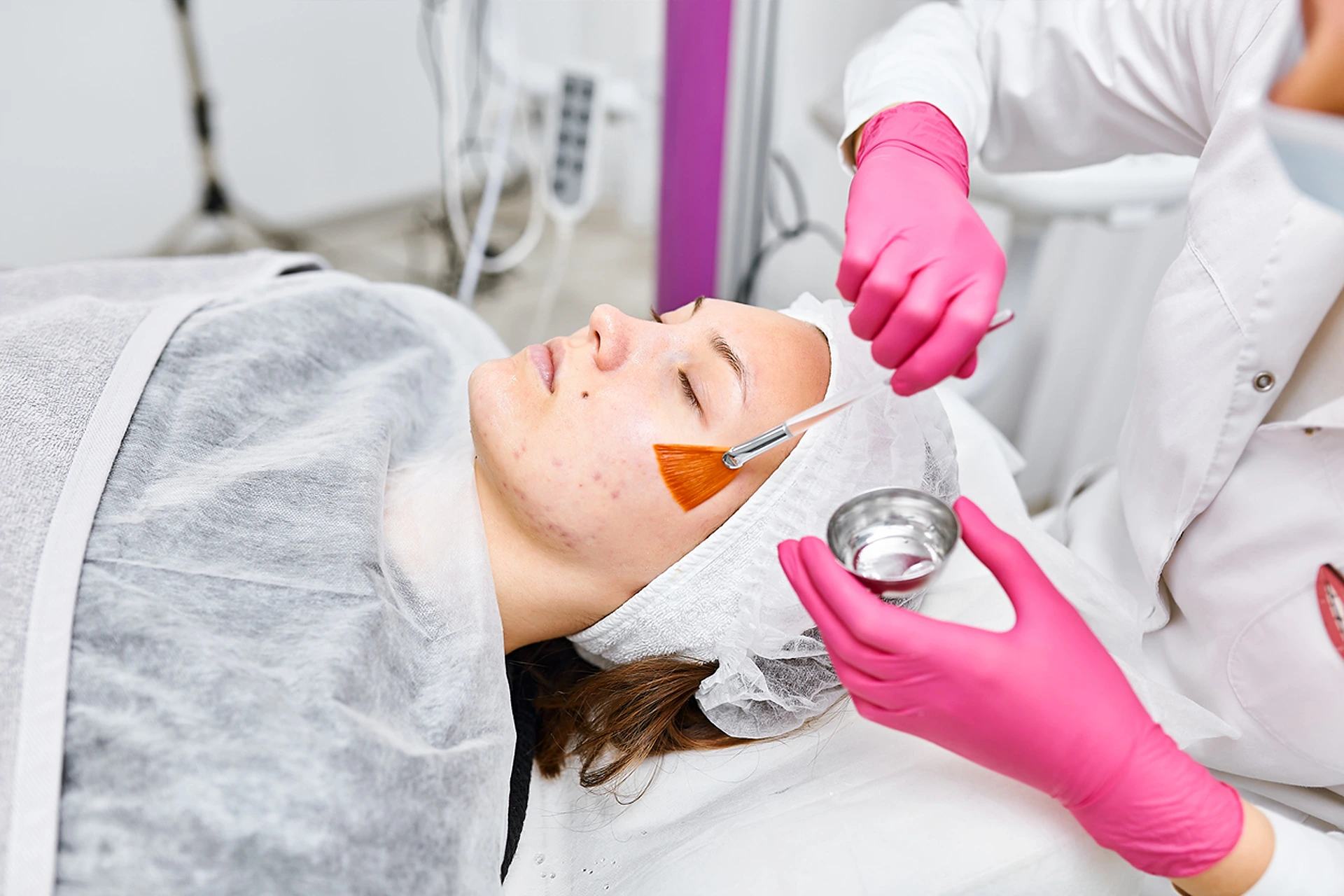

A chemical peel is a skin-resurfacing treatment that uses a chemical solution to remove damaged outer layers of skin and encourage even skin renewal. When used for acne scars, the treatment may improve texture and soften the appearance of certain superficial scars. Here is more information on what to expect from chemical peels for acne scars:
How Do Peels Work?
A chemical peel applies an acid-based solution that loosens and lifts dull and damaged skin cells. Once the top layer sheds, fresh skin surfaces, and this renewal can soften the look of certain acne scars over time. Providers group peels into light, medium, and deep categories, and each level reaches a different skin depth. Light peels focus on surface concerns, while medium and deep peels target more stubborn texture. Your provider will assess your scars before recommending a strength, and that choice affects your results and recovery window.
How Should You Prepare?
Before your chemical peel appointment, you will meet with a provider who reviews your skin history and explains what each peel involves. This step gives you a clear picture of what to expect. Your provider may ask you to adjust your routine in the days leading up to the treatment. Here are a few simple steps that can help your skin respond well:
- Avoid sun exposure. Tanned or sunburned skin can react poorly, so shade and sunscreen matter beforehand.
- Pause certain products. Retinoids and strong exfoliants are often set aside for a short period, since they can increase sensitivity.
- Stay hydrated. Well-moisturized skin tends to recover more comfortably, and drinking water supports that goal.
- Share your medications. Tell your provider about anything you take because some products affect how skin heals.
What Does Recovery Involve?
Recovery varies with the depth of the peel. Lighter treatments may cause mild redness that settles within a day or two, while deeper peels often lead to more noticeable peeling that lasts longer. Your provider will outline a timeline, and following aftercare instructions closely supports healing.
Caring for Your Skin
Aftercare directly affects how your skin looks once it settles. Gentle cleansing, regular moisturizing, and daily sunscreen protect the fresh layer that appears. Avoid picking or scratching flaking skin, as that can interfere with the result. Your provider may suggest specific products for this window.
Knowing When To Follow Up
Follow-up visits help your provider track your progress. If you notice unusual redness, swelling, or lingering discomfort, reach out promptly. These check-ins also let your provider plan any added sessions.
When Do Results Appear?
Chemical peel results rarely appear overnight. As new skin forms and old layers fade, you may notice smoother texture and more even tone over several weeks. Deeper scars often need more than one session, so your provider may space treatments for gradual improvement.
Tracking your progress with photos can help you see subtle changes that daily mirror checks often miss. Skin continues to adjust for a while after each session, and realistic expectations make the journey easier to follow. Your provider will review your outcome and advise whether more sessions would serve your goals.
Learn More About Chemical Peels
A chemical peel offers a non-surgical approach for softening the look of acne scars. The process involves preparation, treatment, recovery, and gradual results. Understanding how peels work and how to care for your skin afterward gives you a clear view of the recovery process. Contact a qualified dermatologist near you to schedule your appointment and learn more about chemical peels today.
