
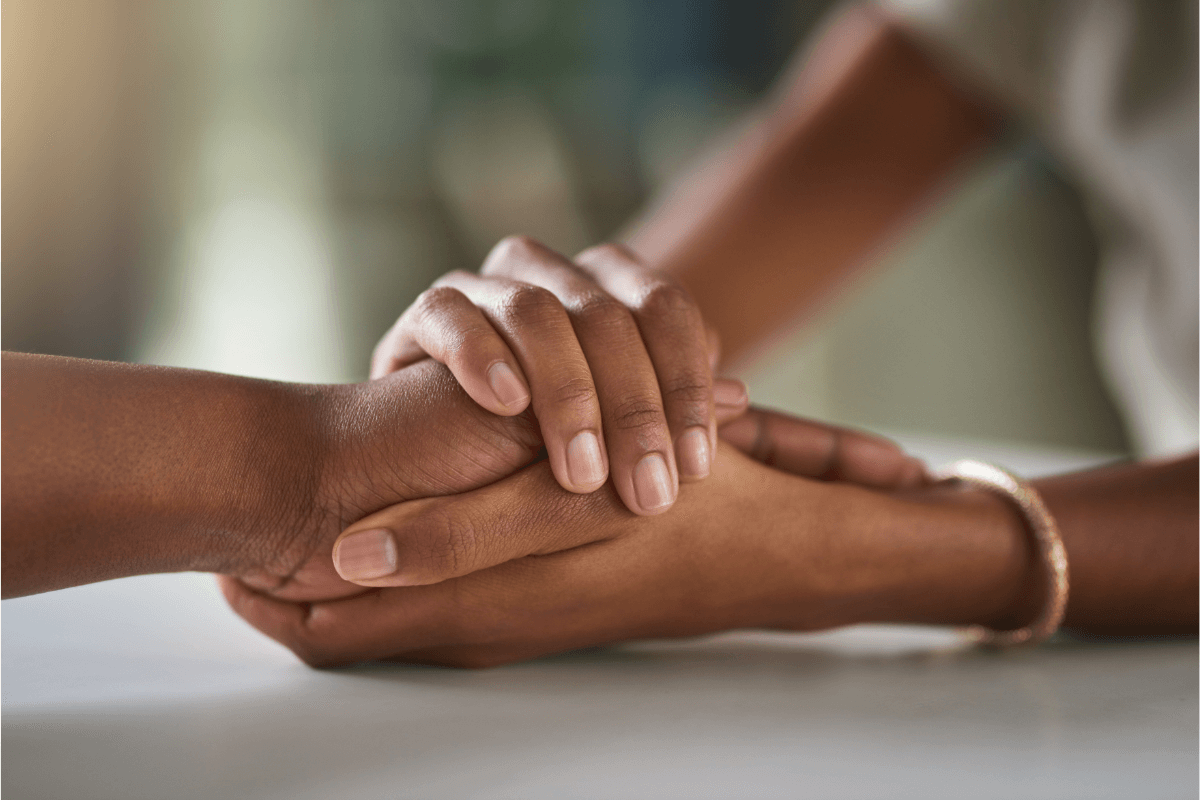

PTSD, or post-traumatic stress disorder, can profoundly affect a person’s emotional and mental well-being, often making recovery feel overwhelming. While professional treatment is necessary, strong support systems play a significant role in helping individuals navigate the healing process. Here’s how support systems contribute to the recovery journey for individuals living with PTSD:
PTSD Overview and Emotional Effects
PTSD develops when the brain’s response to trauma continues long after the threatening event has passed. The disorder manifests through four main symptom categories that affect daily functioning. Intrusive memories bring the traumatic event back in vivid detail. These experiences may include flashbacks, nightmares, or unwanted thoughts that feel like they’re happening in real time.
Avoidant behaviors emerge as individuals attempt to prevent triggering these memories. People may avoid specific locations, activities, or conversations related to the trauma. Changes in mood and thinking patterns are common with PTSD. Feelings of guilt, detachment from loved ones, or difficulty experiencing positive feelings may persist. Arousal and reactivity changes affect how individuals respond to their environment. Being easily startled, feeling constantly on edge, or having difficulty sleeping are common symptoms.
Support Systems in PTSD Healing
Support systems provide practical and helpful benefits throughout trauma recovery. Key benefits of support systems include:
- Reduction of isolation: PTSD symptoms often cause individuals to withdraw from others. A reliable support system helps maintain connection during difficult periods.
- Validation of experiences: Trauma survivors may question their experiences or feelings. Having others acknowledge their struggles combats self-doubt and promotes healing.
- Practical assistance: PTSD symptoms can make routine tasks feel impossible. Support systems provide concrete help with responsibilities when symptoms interfere with functioning.
- Accountability for treatment adherence: Recovery requires consistent effort across multiple areas. Support networks help individuals keep appointments, practice coping skills, and follow treatment plans.
These systems play a key role in helping trauma survivors rebuild their lives by offering emotional, practical, and motivational support.
Types of Support Systems
Different types of support serve distinct functions in recovery. Professional mental health support forms the foundation of PTSD treatment. Therapists trained in trauma-focused approaches guide the healing process. Psychiatrists may provide medication management when needed.
Family and close friends provide daily emotional support. These individuals offer understanding, patience, and presence during difficult moments. Their familiarity with the person’s pre-trauma functioning helps track progress and recognize setbacks. Peer support groups connect individuals with others who have similar experiences. Sharing struggles with people who understand trauma firsthand reduces feelings of isolation and helps with practical coping strategies based on lived experiences.
Methods for Building Support Networks
Creating helpful support systems requires deliberate effort. The following approaches strengthen existing connections and build new ones:
- Identify current sources of support: Make a list of people and organizations already in your life. Contemplate who has shown understanding or offered help in the past.
- Communicate needs: People who want to help may not know what you need. Specific requests make it easier for others to provide meaningful support.
- Set boundaries: Not everyone in your life needs to know details about your trauma or symptoms. Choose carefully who you confide in based on their ability to respond helpfully.
- Seek out peer support opportunities: Look for trauma survivor groups in your area or online. Many organizations facilitate connections between people with similar experiences.
- Maintain professional support relationships: Regular therapy appointments provide structured support for processing trauma. Consistent treatment creates a foundation for support systems to build upon.
Implementing these approaches helps individuals build a support network that supports recovery.
Get Help for PTSD Today
Recovery from PTSD requires professional treatment and strong support systems. Prioritizing personal well-being, seeking professional help, and connecting with supportive communities help individuals take meaningful steps toward managing the effects of trauma and long-term recovery. If you’re experiencing PTSD symptoms, contact a trusted professional near you to schedule your consultation and get help for PTSD today.
