
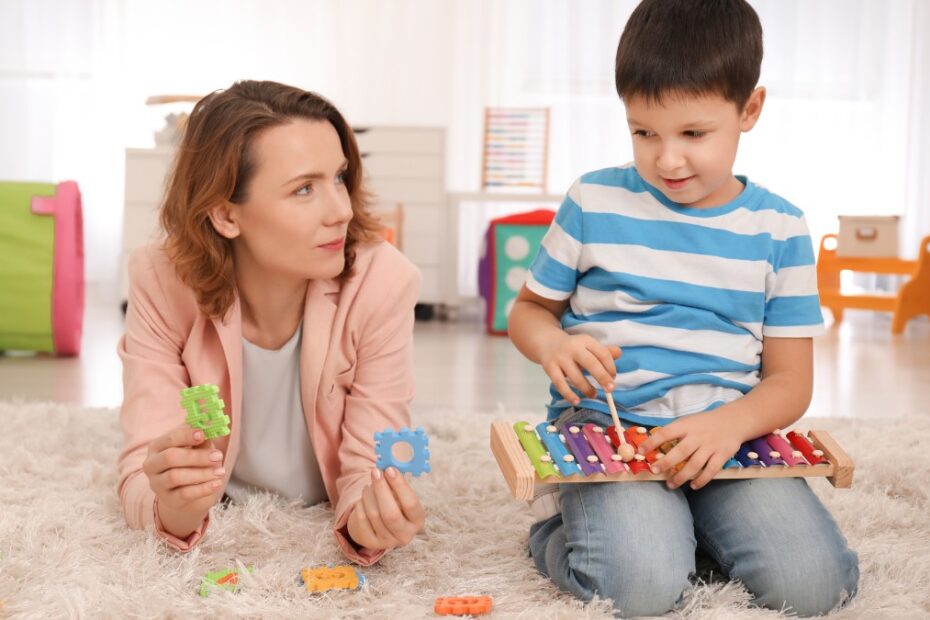

Autism spectrum disorder (ASD) is a developmental condition affecting communication, behavior, and social interaction. Signs often appear before age three, but some people receive a diagnosis much later in life. As symptoms vary widely, no two people with autism look exactly alike. Here are some of the symptoms of this disorder and what they look like:
Lack of Eye Contact
Many people with autism avoid eye contact because it becomes uncomfortable. Some look at a speaker’s mouth, and others look away entirely. This behavior is not a sign of rudeness.
Infants may not follow a parent’s gaze, or they may rarely look toward faces. Parents may notice this difference within the first year. While eye contact varies among all people, a consistent pattern may point to autism.
Difficulty With Communication
When a child has autism, speech may develop later than expected. Some children speak very few words by age two. Others talk early, but they may struggle to use words in a social way.
A person with autism may repeat phrases from shows, or they may echo another speaker’s words. Since figures of speech rely on context, phrases like “break a leg” may cause confusion. Sarcasm and jokes pose similar challenges.
Back-and-forth conversation is another typical hurdle. Someone with autism may talk at length about one topic, and they may miss signs of a listener’s boredom. If you notice these patterns, write down specific examples for your doctor.
Resistance to Any Changes
People with autism rely on predictable routines. When a routine changes suddenly, they may feel intense distress. A new route to school may trigger a meltdown, or a moved chair may cause frustration. Signs include:
- Lining up toys or objects in exact order
- Eating the same foods every day
- Following strict rituals before bed or meals
- Repeating movements like hand-flapping or rocking
If you expect a change, give advance notice whenever possible. Visual schedules help many children prepare for transitions. Small steps reduce stress, and a calm tone keeps the moment steady. Over time, some people adjust to new routines more easily.
Sensitivity to Textures or Aromas
Sensory differences affect many people with autism, and they may involve any of the five senses. Textures and smells may cause the strongest reactions. A child may refuse clothing because tags or seams feel painful.
Food textures present another challenge. Some children eat only smooth foods, while others accept only crunchy items. Strong aromas like perfume may cause nausea, and cleaning products may trigger headaches. Other people actively seek out certain sensations instead. Typical triggers include:
- Rough or scratchy fabrics like wool
- Itchy tags or seams on clothing
- Sticky or slimy textures such as glue or certain foods
- Strong cleaning product fumes
- Strong perfumes or scented lotions
- Burnt or overly spicy smells
Get Evaluated for Autism Disorders
If you notice several of these signs, talk with a neurologist. Evaluations include interviews, observations, and standardized tests. Before the appointment, gather notes on specific behaviors and when they occur, or reports from school or daycare. Adults may seek an evaluation too, and many receive a diagnosis later in life. An evaluation provides answers about how a person thinks and learns.
