
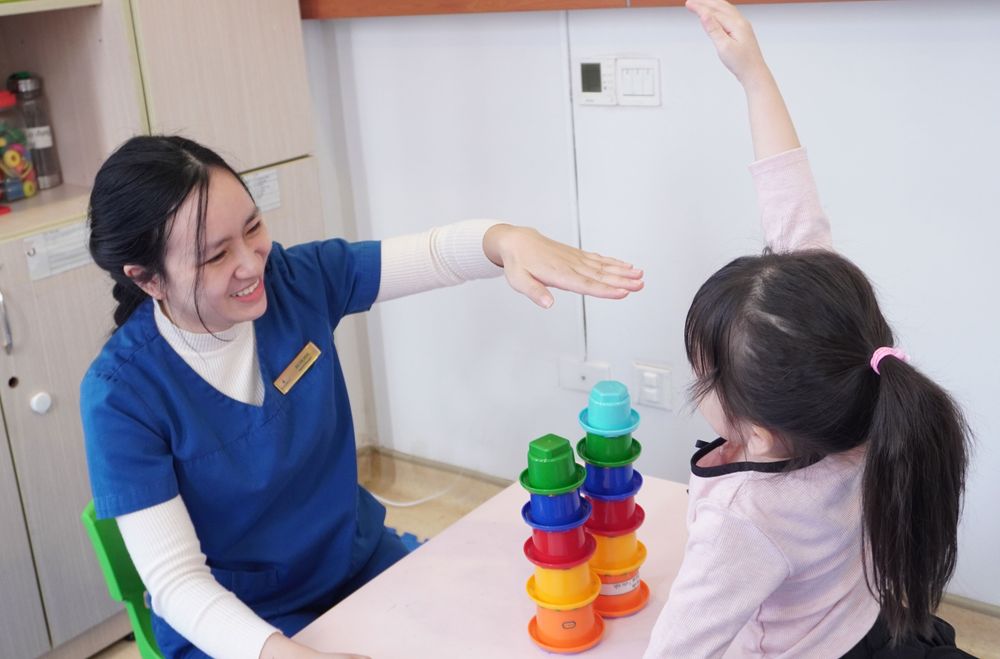

Autism spectrum disorder (ASD) is a neurodevelopmental condition characterized by differences in social communication, sensory processing, and behavioral patterns. Choosing effective support requires understanding the available therapeutic options. Here’s more information on the therapeutic approaches for children on the autism spectrum:
Behavioral Interventions
Behavioral therapy focuses on teaching children with autism new skills and reducing behaviors that interfere with learning. Therapists break large goals into teachable steps, and they reward progress along the way. This method helps children practice everyday actions, and consistent repetition supports growth. When families follow the same techniques at home, children often internalize what they learn across settings. Several behavioral methods appear frequently in autism programs. Here is an overview of what these approaches address:
- Skill-building sessions: Therapists teach tasks such as dressing, requesting items, or following directions through structured practice.
- Positive reinforcement: Children earn praise or rewards when they complete a target action, which encourages repetition.
- Data tracking: Providers record responses during each session, and this information guides future adjustments to the plan.
Developmental and Speech-Based Therapies
Communication challenges affect some children with autism, and speech-based therapy addresses this directly. A speech-language specialist assesses how a child understands and uses language, then builds exercises around those findings. Some children learn spoken words, while others benefit from picture systems or communication devices. The therapist selects tools that fit the child’s current abilities, and progress guides the next steps.
Developmental therapy takes a broader view and focuses on relationships and play. A provider follows the child’s lead during activities, encouraging interaction in a natural setting. These sessions often build joint attention, turn-taking, and back-and-forth exchanges.
Sensory and Occupational Approaches
Children with autism process sights, sounds, and textures differently, and this can affect daily comfort. Occupational therapy helps children manage these responses and complete routine tasks with greater ease. A therapist observes how a child reacts to the environment, then designs activities that support balance, coordination, and self-care. Changes at home may also reduce sensory overload during meals, dressing, or bedtime. Here are some common focus points of sensory and occupational approaches:
- Fine motor skills: Activities strengthen the small muscles needed for writing, buttoning, or using utensils.
- Sensory regulation: Therapists introduce tools and routines that help children respond calmly to sound, light, or touch.
- Daily living tasks: Practice sessions target brushing teeth, tying shoes, and other self-care habits.
Social and Family-Centered Support
Social skills can be difficult for children on the autism spectrum, and targeted support helps them connect with others. Therapists teach how to read facial expressions, share space, and take turns during group activities. Structured practice gives children a safe place to try new interactions, and gradual exposure can help them build confidence. Group sessions with peers often reinforce these lessons naturally.
Emotional support matters too, and some programs teach children how to recognize and manage feelings. Family-centered care brings parents and siblings into the process, creating consistency at home. Providers offer guidance and training, helping families respond to challenges with clear strategies.
Schedule Your Autism Appointment Today
Autism therapy combines behavioral, speech, occupational, and social approaches to support a child’s growth across multiple areas. Each plan starts with an evaluation, and providers adjust the program as your child develops. These services aim to build skills, improve communication, and add comfort to daily routines. Contact a qualified pediatric neurologist near you to schedule your autism appointment today.
