
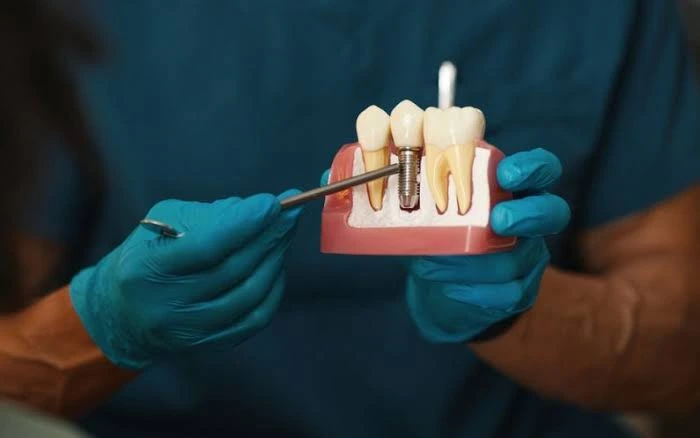

Dental implants are designed to function like natural teeth. The titanium post fuses with the jawbone, and the visible crown sits above the gumline. Because the crown interacts with food, bacteria, and daily wear like a natural tooth, implants still require consistent care to stay healthy over time. Understanding how implants are maintained helps patients protect their investment, and it allows them to avoid preventable complications. Here is more information on how implants are cared for:
How Are Implants Cared For?
Caring for a dental implant involves a combination of at-home hygiene and professional monitoring. Patients should schedule routine checkups with their dentist so the implant, crown, and surrounding gum tissue can be examined for early signs of wear or infection. These visits also let the dental team clean areas that a toothbrush cannot easily reach. They also give the dentist an opportunity to address minor concerns before they become serious problems.
Since healthy gums support dental implants, gum health plays a central role in maintaining implant stability. Bacteria buildup around the implant may affect the bone and tissue that support it. Dentists often recommend professional cleanings every six months, but the exact interval depends on the patient’s individual risk factors and oral health history. Regular cleanings reduce this risk.
Diet and lifestyle choices also factor into long-term care. Smoking slows healing and increases the risk of implant failure, while a diet high in sugar contributes to plaque buildup around the implant site. Patients who adopt healthier habits may see better outcomes over the implant’s lifespan. They may also be less likely to experience complications that require additional treatment.
What Does Daily Maintenance Involve?
Daily maintenance for dental implants closely mirrors care for natural teeth. Patients should brush daily with a soft-bristled toothbrush, which removes plaque from the crown and surrounding gums without damaging the implant surface. Dentists may recommend a non-abrasive toothpaste. Abrasive formulas can scratch the implant’s finish, and this scratching creates surfaces where bacteria collect.
Flossing is key to daily maintenance, but standard floss may be difficult to maneuver around an implant. Patients can use specialized tools such as implant-specific floss, interdental brushes, or water flossers. These tools reach beneath the gumline. They clean areas a toothbrush can’t reach, which helps prevent plaque and bacterial buildup. Additional tips include:
- Rinse with an antimicrobial or alcohol-free mouthwash to reduce bacteria near the implant site
- Avoid chewing on hard objects like ice or pen caps to avoid loosening the implant
- Schedule professional cleanings and checkups so a dentist can monitor the implant, gums, and surrounding bone
How Long Do Implants Last?
With proper care, some patients keep their implants for life. The crown attached to the post has a shorter lifespan; it typically lasts up to 15 years before normal wear requires replacement. This distinction matters because implant maintenance is not a one-time investment but an ongoing commitment.
Several factors influence how long an implant lasts; these include the patient’s oral hygiene routine, bone density, and overall health. Diabetes, gum disease, and autoimmune conditions can affect healing and bone integration. Dentists assess these factors during the initial consultation. They also monitor them at ongoing checkups so that concerns can be flagged before they progress.
Learn More About Dental Implants
Dental implants offer a durable, long-term solution for missing teeth, but their success depends on the care patients provide after the procedure. Daily brushing and flossing, routine professional cleanings, and healthy lifestyle choices all contribute to an implant’s longevity. If you’re evaluating dental implants, schedule a consultation with your dentist to discuss a personalized care plan.
