
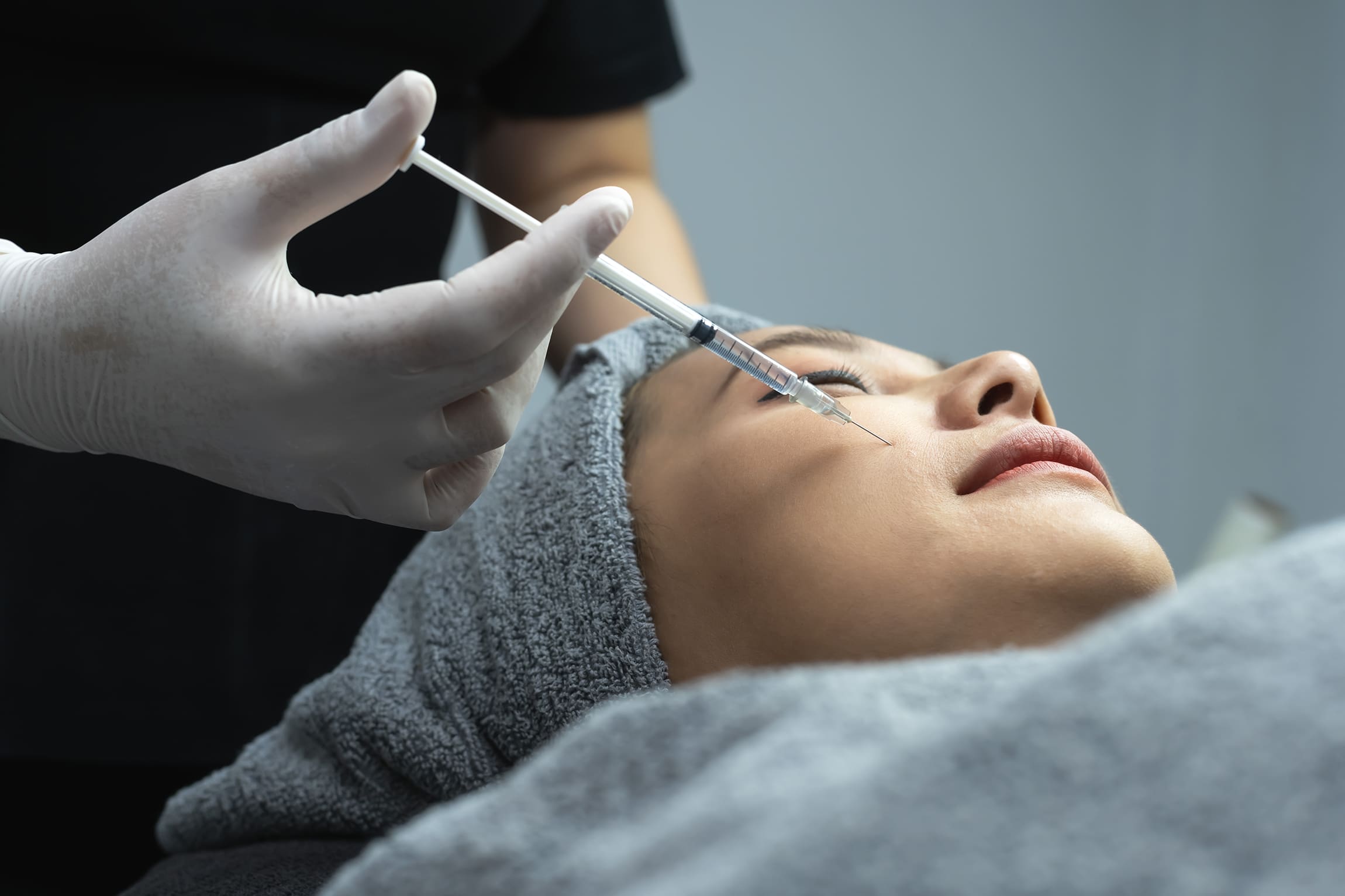

Platelet-rich plasma, or PRP, is a treatment made from a small sample of your own blood. Your provider draws the blood, and a centrifuge device separates the platelets from the other components. While PRP can stand alone, providers sometimes pair it with other services when you have several goals.
Microneedling and PRP Benefits
Microneedling pairs well with PRP, and understanding how each step works can help you be prepared going into your appointment.
Treatment Process and Steps
Microneedling uses a pen-like device with fine needles to create controlled micro-channels in the skin. These channels prompt the skin’s natural repair response. PRP is made from your blood; your provider draws it, places it in a centrifuge, and separates the platelets. When applied after microneedling, PRP enters the open channels and reaches deeper layers of the skin. Because the solution comes from your blood, no foreign material is introduced. Your provider will assess treatment depth based on your skin and goals, and the process takes place in one appointment.
Expectations For Treatment
A topical numbing cream is applied before the procedure begins to keep you comfortable. After treatment, redness and mild swelling are normal the first day or two, and most patients return to their routine within days. Avoid direct sun exposure. Hold off on makeup for at least 24 hours. Your provider may also ask you to pause certain ingredients, such as retinoids or exfoliating acids, for a short period. Keep your skin clean, moisturized, and protected with sunscreen daily. At follow-up visits, your provider will review your results and adjust the plan as needed.
Injectables and PRP Combination
Botox® relaxes the muscles behind certain expression lines, and fillers add volume to specific areas. Since PRP focuses on skin quality, providers may combine it with injectables when you want to address several concerns. Each treatment targets a different skin layer or function. Botox® works at the muscle level, fillers restore volume, and PRP supports the skin’s surface quality. Your provider will evaluate your face and recommend which services to include. Not every patient needs all three. Your provider will prioritize based on your goals. PRP is prepared from your blood during the same appointment, so it does not require a separate visit. Your provider draws a sample, processes it in a centrifuge, and merges the concentrated platelets with the remaining blood before injection. This preparation fits alongside injectables without adding much time to your visit.
Skin Care and IV Therapy
Professional skin care plays a role both before and between in-office treatments. Your skin is sensitive after PRP, and the right products protect it during recovery. After your session, providers recommend gentle cleansers and sunscreen, and may advise you to pause certain ingredients. Retinoids and exfoliating acids are common examples, and reintroducing them too soon can irritate healing skin. Your provider will give you a written aftercare routine to follow at home. Before your PRP session, your provider may also ask you to prepare your skin. Staying hydrated, avoiding excessive sun, and pausing certain actives before your appointment can support a smoother session.
Ask your provider for a pre-treatment checklist at your consultation. Between sessions, your skin care routine continues to support your results. Ingredients like hyaluronic acid and gentle peptides can complement the repair process, and your provider will recommend products suited to your skin type. Consistency between visits helps protect progress made during each session, and your provider can adjust your routine as your skin responds.
Schedule Your PRP Consultation
A consultation is the first step toward a combination plan. Your provider will review your skin, and you can discuss your goals and concerns. Combining treatments is a personal decision, and the right plan depends on your skin, timeline, and budget. Bring a list of products you use, and note any treatments you have had in the past year. Once your provider has this information, they can suggest which services to pair and how to space them.
