
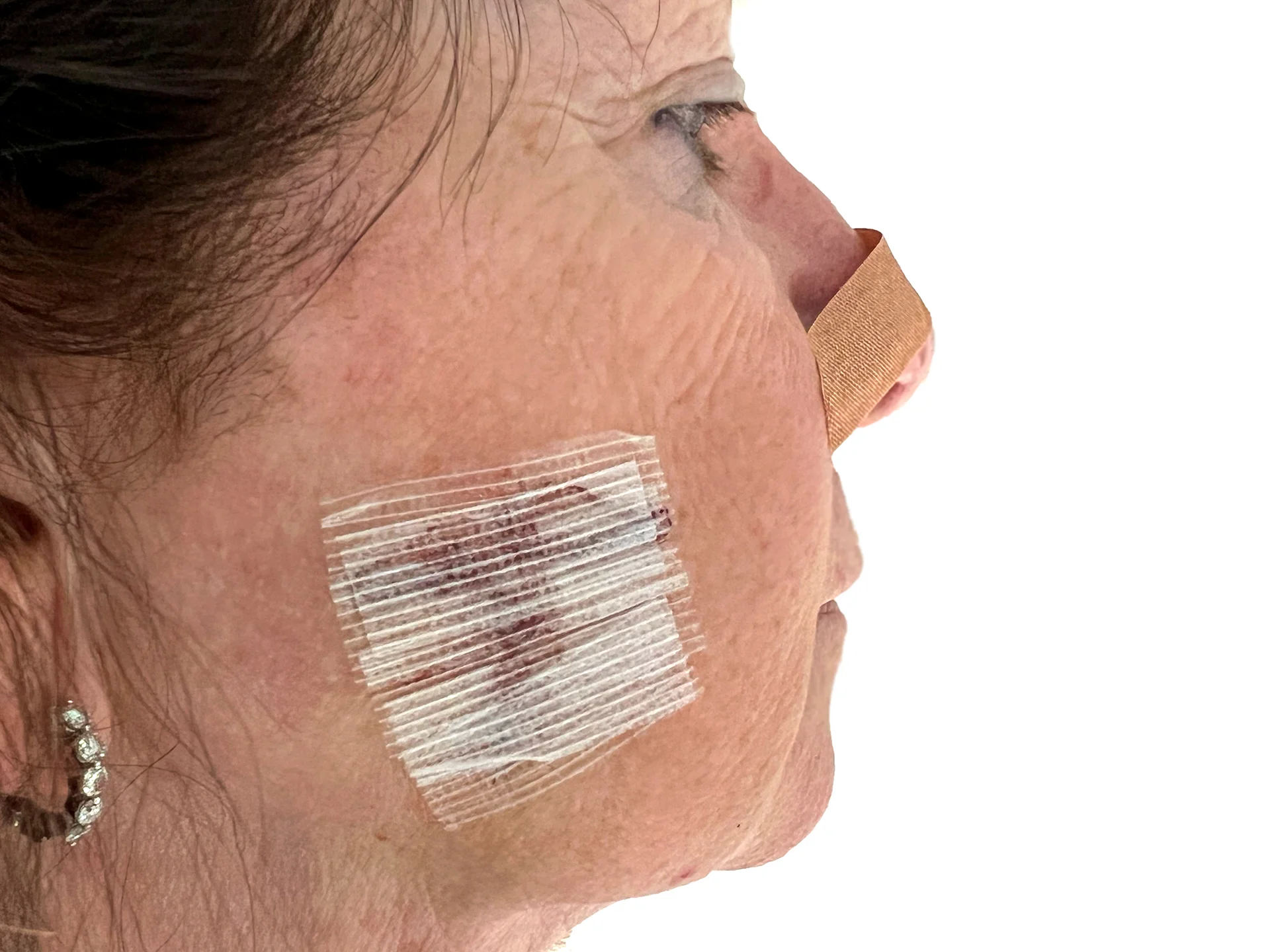

Mohs surgery is a precise technique for removing certain skin cancers, and this method targets specific cancer types, including basal cell and squamous cell carcinomas. A surgeon removes thin layers of tissue, and each layer is examined under a microscope right away. Since the process checks tissue as it goes, the surgeon stops once no cancer cells remain. This is why this method is effective for skin cancer removal:
High Success Rate
Mohs surgery has a cure rate near 99% for many primary skin cancers; this number applies to cases where the cancer has not been treated before. Since the surgeon examines margins in real time, missed cancer cells may become less likely. Several factors contribute to these results:
- Real-time microscopic review of each tissue layer
- Complete mapping of the treated area
- Gradual removal that continues until margins read clear
The rate stays high even for recurrent cancers, though it dips slightly. Mohs still performs well in these harder cases, and the layered method drives that consistency. When a tumor has returned, this precision helps the surgeon address it directly. Results depend on the cancer type and its location.
Minimized Healthy Tissue Damage
Mohs surgery focuses on the cancer itself. The surgeon removes one layer, and the tissue is mapped and studied under a microscope. Since only affected tissue is taken, surrounding healthy skin stays largely intact. This precision reduces the size of the wound left behind.
Traditional excision removes a wider margin of skin as a precaution. Mohs works differently, and the layered approach lets the surgeon stop at the right point. When a cancer sits near features like the nose, saving tissue matters. The technique suits areas where every millimeter counts.
Recovery ties closely to how much tissue is removed. Smaller wounds tend to heal with less reconstruction, and scarring is typically more limited. Since the surgeon confirms clear margins during the procedure, repeat visits for the same site are less likely. You leave knowing the examined area showed no remaining cancer cells.
Ideal for Faces and Hands
Some body areas leave little room for wide removal. The face and hands carry limited spare tissue, and appearance and function both matter here. Since Mohs spares healthy skin, surgeons often choose it for these regions. The eyelids, lips, ears, and fingers fall into this group. Doctors may recommend Mohs for these locations:
- Nose, ears, and eyelids
- Lips and hairline
- Fingers, hands, and genitals
Function guides the decision as much as appearance. A wide excision on a fingertip could affect movement, and the face holds features hard to reconstruct. Since the technique limits tissue loss, it fits these sensitive sites well. Your surgeon will explain whether your case matches this approach.
While Mohs surgery is highly effective, its success also depends on the surgeon’s precision and expertise at removing cancerous tissue layer by layer. It is a straightforward procedure designed to preserve as much healthy tissue as possible. Since it combines accuracy with minimal tissue loss, Mohs is typically the preferred choice for treating cancers in delicate or highly visible areas.
Book a Mohs Surgery Consultation
Mohs surgery is one option among several for skin cancer treatment. A consultation reviews your diagnosis, and the surgeon explains what the procedure involves. As each cancer differs, a specialist assesses whether Mohs fits your situation; to help you decide, ask about recovery and follow-up care. Schedule a consultation with a Mohs-trained dermatologist to review your options today.
