
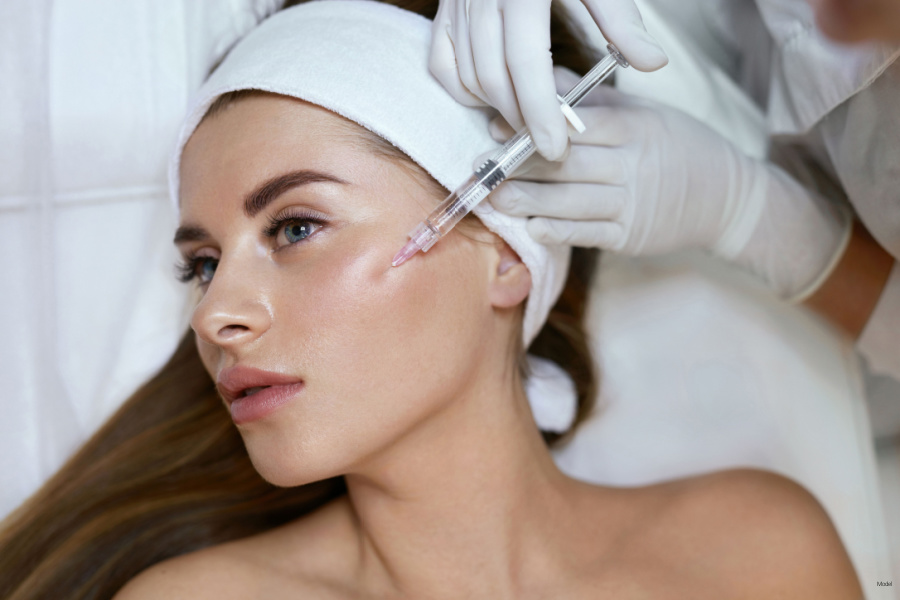

Botox is a purified form of botulinum toxin type A, and it temporarily relaxes facial muscles to smooth wrinkles without surgery. Dermatologists inject it into targeted areas. These areas include the forehead, brow, and around the eyes, where muscle activity often creates visible lines. Results may appear within a few days and last many months, which makes Botox a valuable option for patients who seek minimal downtime and predictable outcomes. Here is more information on what Botox is, how it is used, what happens during treatment, and the benefits patients typically experience:
What Is Botox?
Botox is the brand name for a neurotoxin derived from Clostridium botulinum bacteria. When injected in small, controlled doses, it blocks nerve signals to specific muscles, and those muscles relax rather than contract repeatedly. This relaxation helps, since repeated muscle contractions are the primary cause of wrinkles in high-movement areas of the face.
How Is It Used?
Botox is primarily used to target dynamic wrinkles, the lines that form from repeated facial movements like squinting or frowning. Common treatment areas include:
- The forehead, where horizontal lines form from raising the eyebrows
- The glabellar region, or the space between the eyebrows
- The periorbital area, commonly known as crow’s feet, which develop around the outer corners of the eyes
- The perioral region, where lines form around the mouth
Dosing varies by patient and depends on factors such as muscle strength, wrinkle depth, and patient goals, which a dermatologist will assess before treatment.
What Does the Procedure Involve?
A typical appointment begins with a consultation, during which the dermatologist reviews the patient’s medical history and identifies areas of concern. Goals are discussed. The dermatologist may also ask the patient to make specific facial expressions, such as raising the eyebrows or frowning; this allows them to assess muscle movement before treatment proceeds.
The injections themselves are brief, and patients may describe the sensation as a slight pinch. No anesthesia is required. A fine needle delivers small amounts of Botox directly into the targeted muscles. Patients can resume normal activities soon after treatment, although dermatologists typically recommend avoiding strenuous exercise and lying down for several hours after the procedure. Full effects generally take several days as the targeted muscles gradually relax.
What Are the Benefits?
Botox offers several advantages over surgical alternatives, and these benefits make it a practical option for some patients. There is no incision, no anesthesia, and no extended recovery period. Because results are temporary, patients retain the flexibility to adjust their approach in future sessions, unlike surgical facelifts, which require weeks of downtime.
When performed by a skilled dermatologist, Botox can produce natural-looking results by targeting specific muscles while preserving normal facial expression. This precision helps avoid a frozen appearance. The treatment also reduces the appearance of forehead lines, frown lines, and crow’s feet; consistent treatment may slow the formation of new wrinkles over time.
Learn More From a Dermatologist
Botox helps patients looking to address dynamic wrinkles without surgery; t relaxes targeted facial muscles, requires minimal downtime, and delivers results that last for months. From forehead lines to crow’s feet, the treatment addresses common cosmetic concerns with a straightforward procedure. If you’re evaluating Botox, schedule a consultation with a dermatologist. They can assess your facial anatomy, answer your specific questions, and build a treatment plan suited to your goals.
