
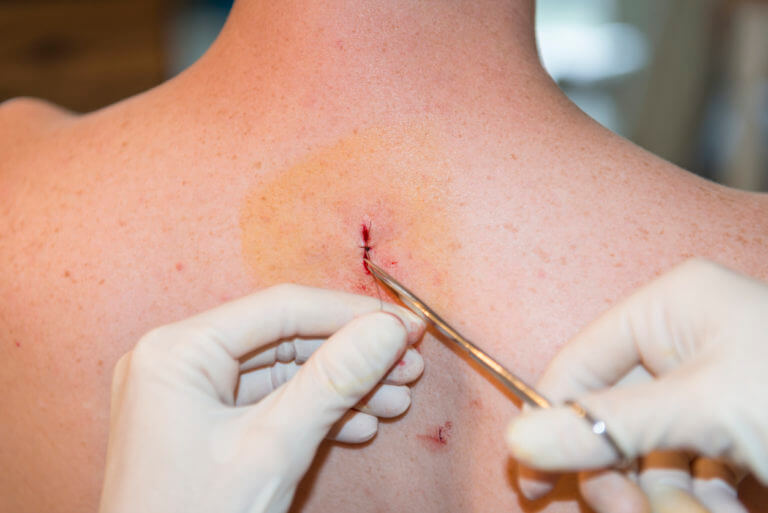

Basal cell carcinoma is the most common form of skin cancer. Some cases respond well to treatment when caught early, and understanding the condition before a consultation can help patients prepare more effectively. Because dermatologic surgery involves several distinct steps, patients who understand the basics are better positioned to ask informed questions during their appointment. Here is more information on skin cancer, the treatment options physicians typically recommend, and what patients can expect during recovery:
What Is Basal Cell Carcinoma?
Basal cell carcinoma develops in the basal cells of the skin’s outermost layer. These cells produce new skin cells as old ones die off, and they can grow abnormally when exposed to certain triggers. Since ultraviolet radiation damages DNA within basal cells over time, sun exposure and tanning beds contribute to this condition. Genetic factors and prior radiation treatment may also be attributed to its development.
This type of skin cancer grows slowly and usually doesn’t spread to other parts of the body, but it can damage surrounding skin and tissue if left untreated. It typically appears as a pearly bump, a flat scaly patch, or a sore that does not heal. Dermatologists diagnose skin cancer through a physical exam and a biopsy, which involves removing a small tissue sample for lab analysis.
How Is It Treated?
Treatment depends on the tumor’s size, location, and depth. Smaller, less invasive cases may be treated with topical medications or a procedure called curettage and desiccation, where the doctor scrapes away the cancerous tissue and destroys any remaining cancer cells. Larger or more complex tumors often require surgical removal; a dermatologist will determine the most appropriate approach based on the tumor’s characteristics.
Mohs surgery is a standard approach for some types of skin cancer, and it is especially recommended for cases on the face or other cosmetically sensitive areas, where preserving healthy skin is a priority. During this procedure, the surgeon removes thin layers of tissue and examines each layer under a microscope until no cancer cells remain, which allows for precise removal while minimizing damage to surrounding skin. Consulting a skin cancer specialist helps patients learn more about their treatment options.
What Does Treatment Involve?
Some basal cell carcinoma treatments are outpatient procedures. The treated area is numbed, so patients feel no pain during the procedure. Depending on the technique used, appointments may last anywhere from thirty minutes to several hours. Mohs surgery, which requires lab analysis between each layer of tissue removal, typically takes longer. Recovery depends on the treatment method and the size of the affected area; follow-up visits allow the dermatologist to monitor healing and assess for any signs of recurrence.
How Is Professional Guidance Beneficial?
Working with a dermatologic surgeon offers patients several benefits throughout treatment and recovery, including:
- Access to specialized training in skin cancer removal and reconstruction techniques
- Ongoing monitoring for recurrence or new developments
- Guidance on scar management, sun protection, and lifestyle adjustments that reduce the risk of future skin cancer
Seek More Information Today
Basal cell carcinoma is highly treatable, and understanding your options helps you make informed decisions about your care. From topical treatments to Mohs surgery, dermatologists offer a range of approaches based on the skin cancer. Following aftercare instructions supports proper healing. If you’ve noticed a new or changing spot on your skin, schedule a consultation with a dermatologic surgeon.
