
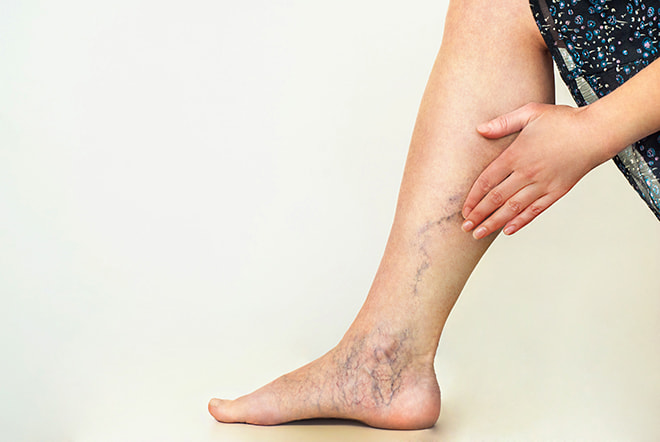

Varicose veins are treated through minimally invasive procedures such as sclerotherapy, radiofrequency ablation, and endovenous laser treatment. Each option closes the affected vein so that blood is redirected to healthier vessels nearby. Vein size and location influence the choice of procedure, and a patient’s overall health also guides the decision. A vein specialist selects the right approach. Here is more information on how varicose veins are treated:
How Are Varicose Veins Treated?
Varicose vein treatment focuses on closing or removing varicose veins. Blood then reroutes through healthier pathways. Modern techniques rely on image guidance, and this allows radiologists to work with precision while minimizing disruption to surrounding tissue. Some procedures are outpatient, so patients may go home the same day.
What Are the Different Options?
Three treatments address varicose veins, each using a different method to close or remove the affected vein:
- Sclerotherapy: A solution is injected directly into the vein, causing it to collapse and fade over time.
- Radiofrequency ablation: Heat generated by radio waves seals the vein shut from the inside.
- Endovenous laser treatment: Laser energy is applied through a thin fiber to achieve a similar closure effect.
Each method targets veins of different sizes and depths, so no single option works universally.
How Do They Work?
Sclerotherapy begins with a radiologist injecting a sclerosing agent into the target vein using a fine needle. The solution irritates the vein’s lining, which prompts the walls to stick together. Over time, scar tissue forms, and the body absorbs it. Because the size and number of treated veins vary, patients may need multiple sessions spaced several weeks apart.
Radiofrequency ablation and endovenous laser treatment both use catheters inserted into the vein under ultrasound guidance. Once the catheter is positioned, it delivers either radiofrequency energy or laser light. The energy heats the vein wall until it collapses and seals shut, and blood flow then redirects to nearby healthy veins. Patients remain awake throughout the procedure.
How Is a Treatment Chosen?
A radiologist evaluates several factors before they recommend a specific treatment. These factors include vein size, depth, and location. Ultrasound imaging plays a central role in this evaluation, and it allows the provider to map the venous system and identify which veins contribute to symptoms. Since prior treatments or clotting disorders can affect which options are safe, the patient’s medical history also factors into the decision.
Sclerotherapy is appropriate if the affected veins are small and close to the skin’s surface. Radiofrequency ablation or endovenous laser treatment is appropriate when the veins are larger or located deeper within the leg. Some patients may benefit from a combination approach. The final decision rests on a conversation between the patient and provider; that conversation assesses recovery expectations and long-term results.
Explore Your Treatment Options
Varicose veins may respond well to a range of modern, minimally invasive treatments, and each is suited to different vein sizes and patient needs. Sclerotherapy, radiofrequency ablation, and endovenous laser treatment all share the same goal: closing off damaged veins so blood flow improves and symptoms ease. Understanding how these procedures work helps patients know what to expect. If visible or uncomfortable veins have become an issue, schedule a consultation with a radiologist to discuss which treatment fits your situation.
