
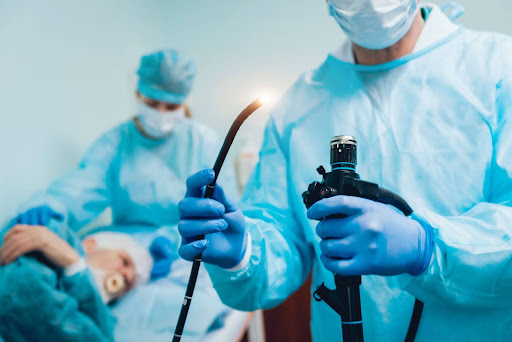

A colonoscopy is a medical procedure used to examine the inner lining of the colon and rectum for abnormalities and signs of colorectal cancer. Healthcare providers may recommend it for routine cancer screening or to investigate digestive symptoms. Here is an overview of what to expect during a colonoscopy procedure:
How Should You Prepare?
Preparation begins several days before the colonoscopy procedure, and it plays a key role in the quality of the exam. The colon must be empty so the doctor can clearly see the lining. Your care team will give you written instructions, which generally cover diet changes, a bowel-cleansing solution, and medication adjustments. Follow these instructions closely. Here are some common steps preparations often include:
- Adjust your diet: Some patients switch to low-fiber foods a few days before the exam, and they move to clear liquids the day before.
- Take the bowel prep solution: This liquid cleanses the colon; patients often drink it in two doses, one the evening before and one several hours before the procedure.
- Review your medications: Tell your doctor about all medications and supplements you take.
- Arrange transportation: Sedation affects your judgment and reflexes, so you need an adult to drive you home after the exam.
What Sedation Options Are Available?
Patients often receive sedation during a colonoscopy, and the type depends on medical history, personal preference, and the facility’s practices. Moderate sedation, sometimes called conscious sedation, makes you drowsy and relaxed while you can still respond to instructions. Deep sedation, which an anesthesia professional usually provides, places you in a sleep-like state. Discuss sedation options with your doctor before the appointment. If you have had reactions to anesthesia in the past, share that information during your consultation.
What Happens During a Colonoscopy?
The colonoscopy itself usually takes 30 to 60 minutes. You check in, change into a gown, and a nurse places an IV line in your arm for sedation and fluids. Although the exam is short, check-in and recovery add time to your visit.
Positioning and Scope Insertion
After the sedation takes effect, you lie on your left side with your knees drawn toward your chest. The doctor inserts the colonoscope, a long, flexible tube with a light and camera at its tip, into the rectum. They then introduce air or carbon dioxide through the scope, and this expands the colon for a clearer view.
Examination and Tissue Sampling
The doctor advances the scope to the beginning of the large intestine and then slowly withdraws it while examining the lining. If the doctor finds polyps, which are small growths on the colon wall, they often remove them during the same procedure. The doctor may also take small tissue samples, called biopsies, for lab testing.
What Does Recovery Involve?
After the colonoscopy, staff move you to a recovery area, where nurses monitor you for an hour as the sedation wears off. You may feel bloated or pass gas, and these effects usually fade within a few hours. Some patients resume a normal diet the same day. Avoid driving, operating machinery, or signing legal documents for the rest of the day.
Your doctor typically shares initial findings before you leave. If the doctor removed polyps or took biopsies, you will wait for the lab results to arrive. Contact your care team right away if you experience severe abdominal pain, fever, or heavy bleeding, and follow their instructions.
Schedule Your Colonoscopy Appointment Today
A colonoscopy involves several stages, including bowel preparation, sedation, the exam, and a short recovery period. Knowing what happens at each step helps you plan your day and follow your care team’s instructions. After the procedure, your doctor discusses initial findings and follows up with lab results if needed, making sure you stay informed and supported. Contact a qualified gastroenterologist near you to schedule your colonoscopy appointment today.
