
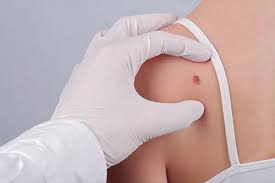

Skin cancer is the most commonly diagnosed cancer in the United States. A range of treatment options address this condition, and Mohs surgery is one of the most precise and effective among them. It offers cure rates of up to 99% for certain skin cancers. Surgeons can target cancerous cells with a high degree of accuracy while minimizing the removal of surrounding tissue, so patients experience less disruption to healthy skin. Here is more information on this surgery and what it involves:
What Is Mohs Surgery?
Mohs surgery is a specialized, tissue-sparing technique used to treat skin cancer. It requires advanced surgical training; the procedure is performed by a specially trained dermatologic surgeon, known as a Mohs surgeon. Precision defines Mohs surgery, distinguishing it from conventional skin cancer removal methods. Rather than removing a large section of tissue and sending it to an external lab, the Mohs surgeon examines the tissue on-site and in real time, which allows for greater accuracy. This approach targets cancerous cells while preserving as much surrounding healthy tissue as possible.
How Does It Work?
A local anesthetic is applied to the treatment area to begin the procedure, and once the skin is numb, the surgeon removes a thin layer of visible cancerous tissue. The layer is then mapped. While the patient waits, the tissue is processed in an on-site laboratory for immediate analysis.
The surgeon examines the tissue sample under a microscope. They check for cancer cells at the edges and undersurface. If cancer cells remain, another precise layer is removed from only the affected area. This stage-by-stage process continues until the margins are completely clear of cancer cells; this enables a thorough removal while minimizing damage to surrounding healthy tissue.
Who Does It Help?
Mohs surgery is commonly used to treat basal cell carcinoma and squamous cell carcinoma; these are two prevalent forms of skin cancer. The procedure is particularly suited to cancers located in cosmetically sensitive or functionally significant areas, such as the face, neck, hands, and feet. Tumors that are large or recurring may respond well to this approach, as do those with irregular borders.
Patients with high-risk skin cancers may be referred for this surgery, particularly those whose cancers display aggressive growth patterns or poorly defined borders. A dermatologist assesses the type, location, and characteristics of the cancer; this evaluation determines whether Mohs surgery is the most appropriate course of treatment. Not all skin cancers require this procedure, so candidacy is determined on a case-by-case basis.
What Are the Benefits?
This surgery offers several advantages over conventional skin cancer treatments:
- High cure rates: Mohs surgery may achieve cure rates of up to 99% for primary basal cell carcinoma.
- Tissue preservation: Only cancerous tissue is removed layer by layer, so the procedure minimizes damage to healthy surrounding skin.
- Immediate results: Pathological analysis occurs on-site during the procedure, so patients leave knowing their margins are clear.
Recovery time varies by patient. For cancers in visible or delicate locations, this level of precision can lead to improved cosmetic and functional outcomes.
Learn More From a Dermatologist
Mohs surgery is a precise technique for treating skin cancer, and the procedure’s staged approach, on-site pathology, and high cure rates distinguish it from conventional excision methods. This surgery may offer the most thorough and tissue-conservative path to clear margins. If you have questions about whether this surgery is right for your diagnosis, consult a board-certified dermatologist or Mohs surgeon. A specialist will review your specific cancer type, location, and medical history to outline the most appropriate treatment plan for your situation.
