
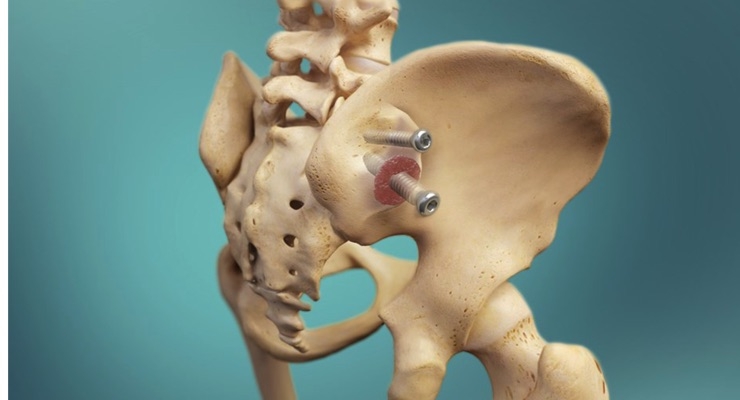

The sacroiliac joints connect the spine to the pelvis. These joints transfer forces during movement, and instability or damage are able to cause pain in the lower back, hips, or legs. When conservative treatments do not provide adequate relief, SI joint fusion may be used to stabilize the affected joint. Here is more information about what happens during SI joint fusion:
Locating the SI Joint
The sacroiliac joints sit between the sacrum and pelvis. These joints transfer forces between the upper and lower body, and they also provide stability during movement. Because the SI joints support movement and weight transfer, problems in this area may affect everyday activities.
SI joint dysfunction occurs when the joint becomes irritated or unstable. Trauma, arthritis, pregnancy, or degenerative changes may affect the joint, while symptoms are able to resemble other back or hip conditions. When SI joint dysfunction is suspected, a medical evaluation can help identify whether the joint is contributing to the symptoms.
Diagnosing SI Joint Dysfunction
Diagnosing SI joint dysfunction begins with a review of symptoms and medical history. Providers perform physical examinations, and certain movements may help determine whether the SI joint contributes to the pain. When additional evaluation is needed, imaging may help assess surrounding structures and rule out other possible causes.
- Experiencing lower back pain that affects one side
- Feeling discomfort in the buttocks, hips, or groin
- Noticing increased pain while standing, climbing stairs, or sitting
- Feeling reduced discomfort while lying down
- Experiencing radiating pain into the thigh or leg
Diagnostic injections may provide additional information about the source of pain. A provider injects a local anesthetic into the SI joint, and changes in symptoms are evaluated afterward. If pain decreases following the injection, the findings may indicate that the SI joint contributes to the symptoms.
Trying Conservative Treatments First
SI joint dysfunction often begins with conservative treatment. Physical therapy may address strength and movement, while medications or steroid injections provide additional nonsurgical options. When symptoms continue despite conservative care, a specialist may evaluate whether SI joint fusion is appropriate. Treatment selection depends on symptoms, examination findings, and the individual condition of the joint.
Performing SI Joint Fusion
SI joint fusion is a minimally invasive surgical procedure. Surgeons access the affected joint through a small incision, and specialized implants are placed between the sacrum and ilium. Because the procedure uses a smaller surgical opening, surrounding tissues experience less disruption than with traditional open approaches.
The procedure focuses on stabilizing the SI joint. Implants limit movement between the sacrum and ilium, while the surgical approach addresses instability within the affected joint. When abnormal joint movement contributes to symptoms, fusion provides structural support between these bones.
Bone fusion develops gradually after the procedure. The sacrum and ilium grow together around the implants, and this process creates a more stable connection over time. Recovery and follow-up care depend on the surgical approach and each patient’s individual condition.
Schedule an SI Joint Fusion Evaluation
Persistent lower back or hip pain may involve the SI joint. A physical examination can evaluate symptoms, and diagnostic injections are able to provide additional information about the source of discomfort. When SI joint dysfunction is identified, a spine specialist can discuss conservative care and surgical options based on individual findings. Schedule an SI joint evaluation today to discuss your symptoms and available treatment approaches.
