
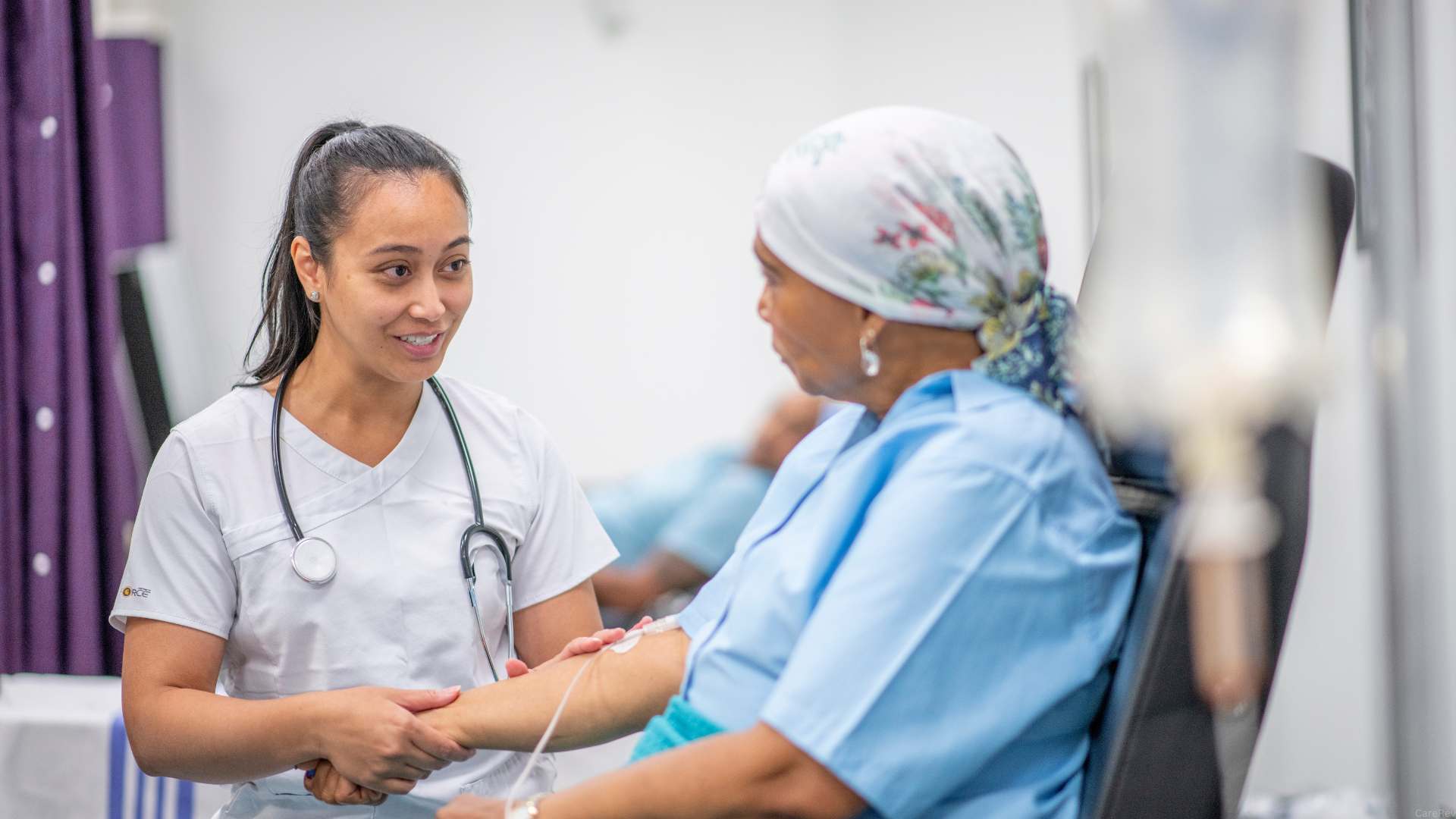

An oncologist is a physician who specializes in diagnosing and treating cancer. When you receive a cancer diagnosis, this specialist becomes the main provider managing your health. They design treatment plans, oversee your care, and work with a team of other healthcare professionals. The primary goal of an oncologist is to guide you through every stage of the cancer journey, from diagnosis to treatment and follow-up care.
How Is Cancer Diagnosed?
A cancer diagnosis often begins with a primary care physician who refers you to an oncologist after noticing abnormalities in a screening or exam. The oncologist then takes specific steps to confirm the presence of cancer. This process involves a thorough review of your medical history and a physical examination.
To get a precise diagnosis, an oncologist will order various tests. These may include imaging tests such as X-rays or CT scans to visualize the inside of the body. Blood tests can detect certain substances linked to cancer. A biopsy, which involves taking a small tissue sample for lab analysis, is often used to confirm a diagnosis. The oncologist uses the results of these tests to identify the type and stage of the cancer, which helps create a treatment plan.
Which Treatments Do They Guide?
Once a diagnosis is confirmed, the oncologist will discuss your treatment options. They lead a team of healthcare providers to deliver comprehensive care tailored to your specific situation. The recommended treatment depends on the cancer type, its stage, and your overall health.
An oncologist coordinates various treatment methods. These can include:
- Chemotherapy: Using special drugs to kill cancer cells or stop them from growing.
- Radiation Therapy: Using high-energy rays to target and destroy cancer cells.
- Immunotherapy: Boosting your own immune system to help it fight cancer more effectively.
- Targeted Therapy: Using drugs that focus on specific weaknesses in cancer cells.
- Hormone Therapy: Slowing or stopping the growth of cancers that use hormones to grow.
Your oncologist explains the potential benefits and side effects of each treatment. They work with you to decide on the best course of action. This professional manages the treatment schedule and adjusts the plan as needed based on your response to therapy.
How Do They Monitor Progress?
Throughout your treatment, the oncologist will closely monitor your progress to see how well the plan is working. This involves regular check-ups and follow-up tests. These appointments are an opportunity to discuss any symptoms or side effects you are experiencing. The oncologist uses this information to manage your care and make you more comfortable.
To track the effectiveness of your treatment, your oncologist will use several methods.
- Physical exams
- Blood tests
- Imaging scans
These tools help the oncologist determine whether the cancer is shrinking, stable, or growing. Based on these findings, they may continue the current treatment, suggest an alternative approach, or recommend a new therapy. This continuous monitoring helps keep your treatment on the right track.
Consult an Oncologist
An oncologist plays a central part in managing cancer care, from the initial diagnosis to long-term follow-up. This specialist coordinates with other medical professionals to develop a comprehensive treatment plan for you. They are your primary guide, offering expertise on treatment options and monitoring your health throughout the process. If you have concerns about cancer or have been advised to see a specialist, seeking guidance from an oncologist is a key step. They can provide the necessary tests and information to address your health needs.
