
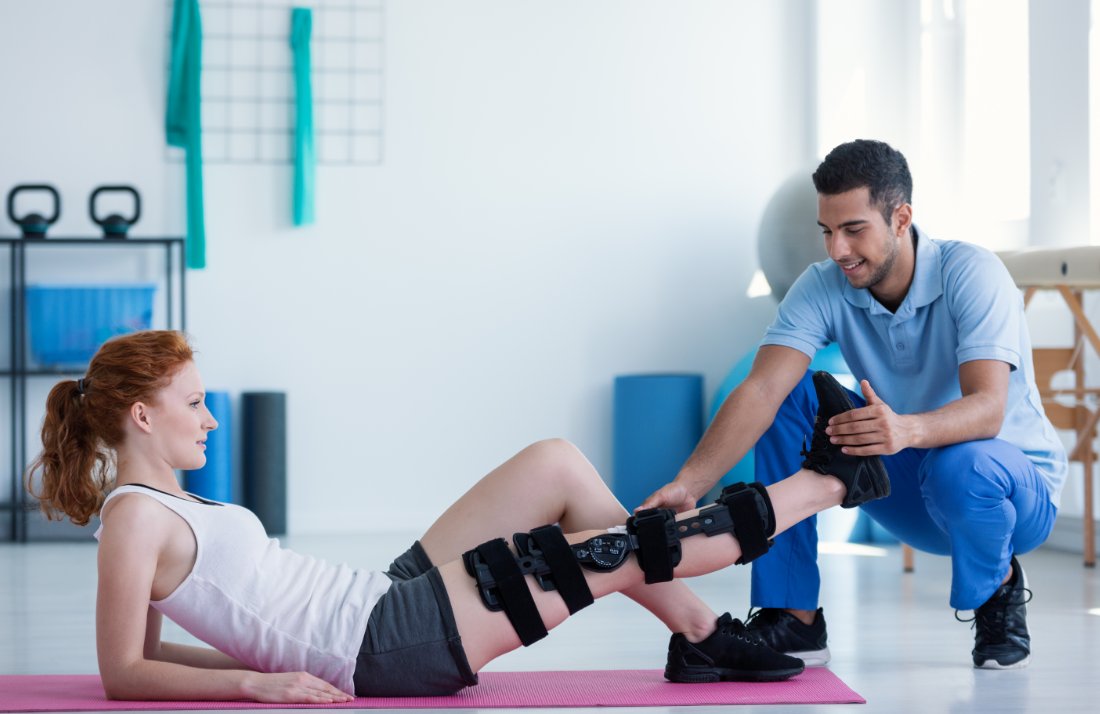

Orthopedic specialists are physicians who diagnose and treat musculoskeletal conditions. In sports medicine, they manage injuries such as ligament tears, stress fractures, tendon ruptures, and joint dislocations. Seeing a sports medicine doctor supports an accurate diagnosis, and they guide return to play to minimize the likelihood of recurrence. Here is some information about the role of orthopedic specialists in sports injury recovery:
Accurate Diagnosis
When you visit an orthopedic specialist after a sports injury, the first appointment centers on finding the source of the problem. The specialist reviews your medical history. They’ll also ask how the injury happened, when the pain started, and whether you noticed any sounds, such as a pop or crack, at the time. A physical exam follows, and it usually tests range of motion and joint stability on both the injured and uninjured sides.
Imaging often confirms what the exam suggests. X-rays show bone structure and reveal fractures or misalignment. MRI scans provide detailed views of soft tissue, so specialists often order them for suspected ACL tears or rotator cuff damage.
Conservative Management
Many sports injuries do not require surgery. Orthopedic specialists often begin with non-surgical treatment for sprains, strains, mild tendon injuries, and some stable fractures. Common options include:
- Activity modification and rest to reduce strain on the affected area
- Bracing, splinting, or casting to support injured structures and allow healing
- Ice and anti-inflammatory medication to help manage pain and swelling
- Corticosteroid injections for certain tendon and nerve-related conditions
- Physical or occupational therapy to improve mobility, strength, and function
Follow the activity limits your specialist sets, even if pain fades early. Tissue healing and symptom relief do not always happen at the same pace. Sometimes symptoms persist after several weeks, so your specialist may order follow-up imaging or discuss other options.
Surgical Intervention
If an injury involves a complete ligament tear, a displaced fracture, or significant cartilage damage, an orthopedic doctor may recommend surgery. Arthroscopy is a common approach. In this minimally invasive procedure, the surgeon inserts a small camera and narrow instruments through tiny incisions to repair tissue inside the joint. The decision to operate depends on the injury type and your goals for returning to sport. Ask your surgeon about the specific procedure and the expected recovery timeline; this helps you make an informed decision.
Structured Rehabilitation
Recovery isn’t complete without a carefully planned rehabilitation process to restore strength, mobility, and function. Orthopedic specialists typically work with physical therapists to build a phased program after injury or surgery. The early phase focuses on controlling swelling and restoring basic motion. Strength training comes next; it often starts with low-load exercises and progresses gradually. Later phases add sport-specific drills, such as cutting, jumping, or throwing.
Progress is measured, not guessed. Your specialist may use strength testing and functional movement assessments to decide when you advance, and the plan changes if a setback occurs. Timelines vary. A minor ankle sprain might take a few weeks, while rehabilitation after ACL reconstruction often lasts months.
Visit an Orthopedic Specialist
Sports injuries vary in type and severity, and each one calls for an individual assessment. An orthopedic specialist evaluates the injury, explains the available treatment options, and coordinates care through each stage of recovery. Outcomes depend on many factors, including the injury’s severity and how closely you follow the treatment plan. If you have ongoing pain, swelling, instability, or limited movement after a sports injury, schedule an appointment with an orthopedic specialist today.
