
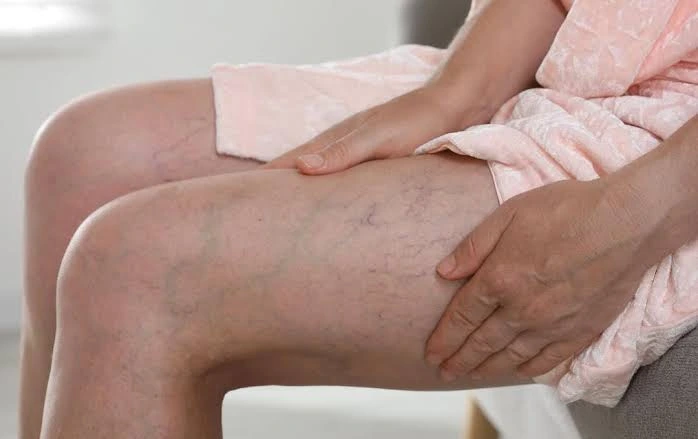

Chronic venous insufficiency (CVI) occurs when the veins in the legs have difficulty returning blood to the heart, which can lead to swelling, discomfort, and other symptoms. These effects may interfere with mobility and overall comfort. Here is more information on the impact of CVI on quality of life:
Recognizing Physical Symptoms
Physical symptoms of chronic venous insufficiency often develop gradually. Leg heaviness, aching, and swelling tend to worsen after long periods of standing or sitting, and they may ease when the legs are raised. Some people also experience cramping, itching, or restless sensations that become more noticeable at night.
Visible changes may appear as the condition progresses. Varicose veins may form when weakened veins stretch and twist near the skin’s surface. The skin around the ankles can also become discolored, dry, or thickened, and some individuals develop slow-healing sores.
Examining Effects on Daily Activities
CVI affects tasks that involve standing, sitting, or walking. Symptoms often follow a predictable pattern, so people often plan their schedules around periods of discomfort. The following areas show where these effects commonly appear.
Work and Productivity
Jobs that require long hours of standing, such as retail or teaching, may increase leg pressure throughout a shift. Desk jobs present a similar challenge, as prolonged sitting can also limit blood flow in the legs. Some workers take frequent breaks to stretch, and others adjust their shift durations. These adjustments can affect focus and output over time.
Exercise and Household Tasks
Leg heaviness often makes walking, climbing stairs, or exercising harder. Some individuals reduce their activity levels, although regular movement supports circulation. Household tasks like cleaning and shopping may also take longer.
Reviewing Emotional and Social Impact
Chronic venous insufficiency can affect how people feel about the appearance of their legs. Visible veins and skin discoloration may lead some individuals to wear long pants year-round or avoid swimwear. Others decline social plans that involve long periods of walking or standing, which limits participation in travel and family events. Ongoing discomfort can also affect sleep and energy levels. Nighttime leg cramps may interrupt rest, and poor sleep often makes daytime symptoms harder to manage.
Managing Symptoms and Vein Health
Several daily habits may reduce discomfort and support circulation. These strategies do not replace professional care, but they can complement a treatment plan. Here are some of them:
- Leg elevation: Raising the legs above heart level for short periods reduces pooling in the lower legs.
- Compression stockings: These garments apply gentle pressure to the legs, which supports blood flow.
- Regular movement: Walking and calf exercises activate the calf muscles, which help push blood upward.
- Position changes: Shifting between sitting and standing every 30 to 60 minutes limits prolonged pressure on the veins.
- Weight management: Maintaining a healthy weight may reduce strain on the leg veins.
Address Chronic Venous Insufficiency Today
Chronic venous insufficiency can lead to discomfort and severe complications if left unaddressed. Recognizing symptoms such as swelling, heaviness, or skin changes is the first step toward effective management. A combination of lifestyle changes along with treatment options can significantly improve blood flow and quality of life. To address CVI, contact a vein specialist near you to schedule your appointment today.
