
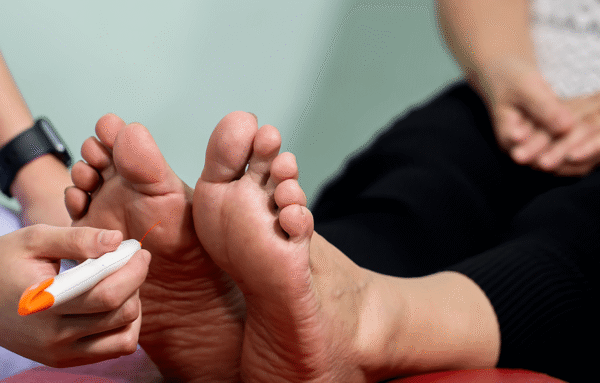

Neuropathy is nerve damage that causes symptoms such as numbness, tingling, burning, or pain, especially in the hands and feet. Diabetes is one of the conditions commonly associated with neuropathy because prolonged high blood sugar levels can affect nerve health over time. Here is more information on the connection between neuropathy and diabetes:
How Does Diabetes Affect Nerves?
Nerves carry signals between your brain and the rest of your body. When blood sugar stays high for long periods, it can damage nerve fibers and the small blood vessels that supply them with oxygen and nutrients. Damaged nerves send signals less clearly, or they stop sending signals altogether. Healthcare providers refer to this type of nerve damage as diabetic neuropathy.
Diabetic neuropathy takes several forms. Peripheral neuropathy affects the feet, legs, hands, and arms, and it is the most common type. Autonomic neuropathy affects the nerves that control digestion, bladder function, heart rate, and blood pressure. Other types affect specific nerves or areas, such as the thighs, hips, or face, although these occur less often.
What Are the Symptoms?
Neuropathy symptoms often start in the toes and feet before they spread upward. Some people notice changes quickly, but others develop symptoms gradually over time. Common signs include:
- Numbness: Reduced ability to feel pain, temperature, or touch, especially in the feet.
- Burning or sharp pain: Discomfort that often worsens at night and may feel like electric shocks.
- Muscle weakness: Difficulty gripping objects, climbing stairs, or keeping your balance.
- Heightened sensitivity: Discomfort from light touch, such as bed sheets resting on the feet.
- Foot problems: Sores, blisters, or infections that go unnoticed due to reduced feeling.
What Increases Neuropathy Risk?
Several factors increase the risk of neuropathy in people with diabetes. Poor blood sugar control is the most significant factor, and the risk increases the longer blood sugar stays outside the target range. The number of years a person has had diabetes also plays a role, as nerve damage tends to develop gradually. Kidney disease adds to the risk by allowing waste products to build up in the blood.
Lifestyle habits and other health conditions also contribute. Smoking narrows blood vessels and reduces blood flow to the nerves, and heavy alcohol use can damage nerve tissue directly. Excess body weight, high blood pressure, and high cholesterol also increase risk.
How Is Neuropathy Managed?
Managing neuropathy requires attention to nerve symptoms and overall diabetes care. A healthcare provider evaluates your symptoms, and they create a plan that fits your health history and goals. Treatment plans differ from person to person because each case has its own causes and severity.
Get an Accurate Diagnosis
A diagnosis begins with a review of your medical history and a physical exam. Your provider may test your reflexes, muscle strength, and ability to sense touch, temperature, and vibration. Accurate results guide the next steps, and they help your provider match treatment to the source of your symptoms.
Follow a Personalized Plan
Personalized pain-management plans often combine several approaches. Your provider may recommend medications, physical therapy, or other treatments that target nerve pain, and they adjust the plan based on how you respond. Keeping blood sugar within your target range, checking your feet daily, and staying active support your overall health as you follow your treatment plan.
Address Your Neuropathy Symptoms Today
Diabetes can damage nerves over time, which leads to symptoms such as numbness, tingling, burning, and weakness. Key risk factors include high blood sugar, long-term diabetes, smoking, and other health conditions, but an early evaluation can identify problems before they progress. A clear diagnosis and a personalized treatment plan give you a structured way to manage your symptoms. To address your neuropathy symptoms, contact a qualified pain specialist near you to address your neuropathy symptoms today.
