
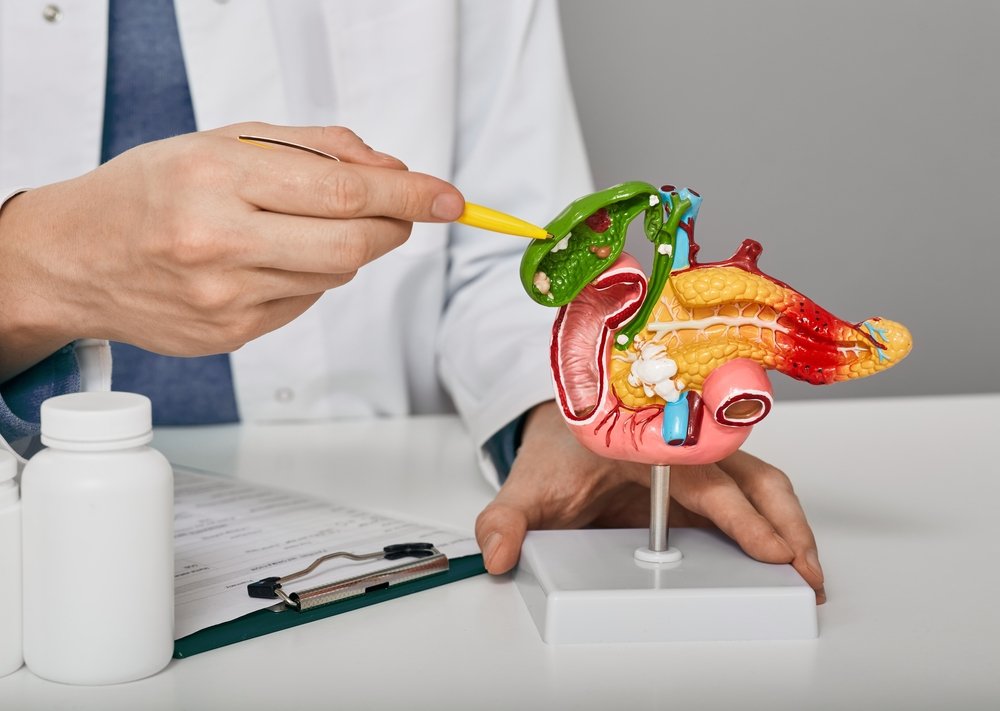

Gallbladder problems can cause symptoms such as recurring abdominal pain, nausea, vomiting, and digestive discomfort. While some conditions can be managed without surgery, persistent or severe symptoms often require further medical evaluation. Here are several signs you may need gallbladder surgery:
Recurring Abdominal Pain
Pain in the upper right abdomen is a common signal of a gallbladder problem. This discomfort often appears after meals, and it may spread to the back or right shoulder blade. Some people feel a sharp, cramping sensation, while others describe a persistent ache that lingers for hours. The timing of the pain offers helpful clues. Fatty or heavy meals often trigger flare-ups, and the discomfort can wake you at night. A single episode often passes on its own, but repeated attacks suggest a deeper problem that needs gallbladder surgery.
Persistent Digestive Symptoms
Digestive issues often accompany gallbladder problems, and they may persist well beyond a standard stomach upset. You may experience nausea after eating, bloating, or a quick feeling of fullness. Some people notice frequent gas or indigestion, especially following rich foods. These symptoms alone do not confirm a diagnosis, but they add more details to the overall picture.
Changes in digestion sometimes signal that bile is not reaching the intestines properly. Meals that once felt comfortable may now cause discomfort. A medical evaluation can determine whether gallstones or disease are involved and whether gallbladder surgery is needed.
Serious Gallbladder Complications
Certain symptoms suggest that a gallbladder problem has progressed, and they require prompt medical attention. These signs often point to blocked ducts, infection, or inflammation. Recognizing them early helps you seek care before the situation worsens. The following are key warning signs to watch for:
- Yellowing skin or eyes (jaundice): A blocked bile duct can cause a yellow tint, which signals that bile is backing up in the body.
- Fever and chills: These often indicate infection or inflammation linked to the gallbladder or its ducts.
- Dark urine and pale stools: Color changes often reflect problems with bile flow.
- Prolonged or intense pain: Pain lasting more than a few hours may point to a serious blockage.
- Rapid heartbeat with sweating: These symptoms often accompany a severe gallbladder attack.
Surgical Gallbladder Conditions
Several gallbladder conditions may lead a doctor to recommend gallbladder surgery. Each one affects the organ differently, and the treatment depends on your symptoms and overall health. Here are some common conditions that often prompt a discussion of surgery.
Gallstones (Cholelithiasis)
Gallstones form when substances in bile harden into solid deposits. Small stones often cause no trouble, but larger ones can block ducts and trigger repeated pain. When these attacks become frequent, doctors often recommend gallbladder surgery as a lasting solution. Removing the gallbladder prevents new stones from causing future blockages.
Inflammation (Cholecystitis)
Cholecystitis occurs when the gallbladder becomes inflamed, often due to a trapped stone. This condition can cause intense pain, fever, and tenderness in the upper abdomen. Left untreated, the inflammation may worsen and lead to further complications. Surgery frequently becomes the recommended option to address ongoing or severe cases.
Learn More About Gallbladder Surgery
Gallbladder issues often begin with recurring upper abdominal pain and persistent digestive symptoms. As the condition advances, warning signs such as jaundice, fever, and dark urine may appear, and conditions like gallstones or inflammation often point toward surgery. Recognizing these patterns early gives you the chance to act before complications develop. Contact a qualified surgeon near you to schedule your appointment and learn more about gallbladder surgery today.
