
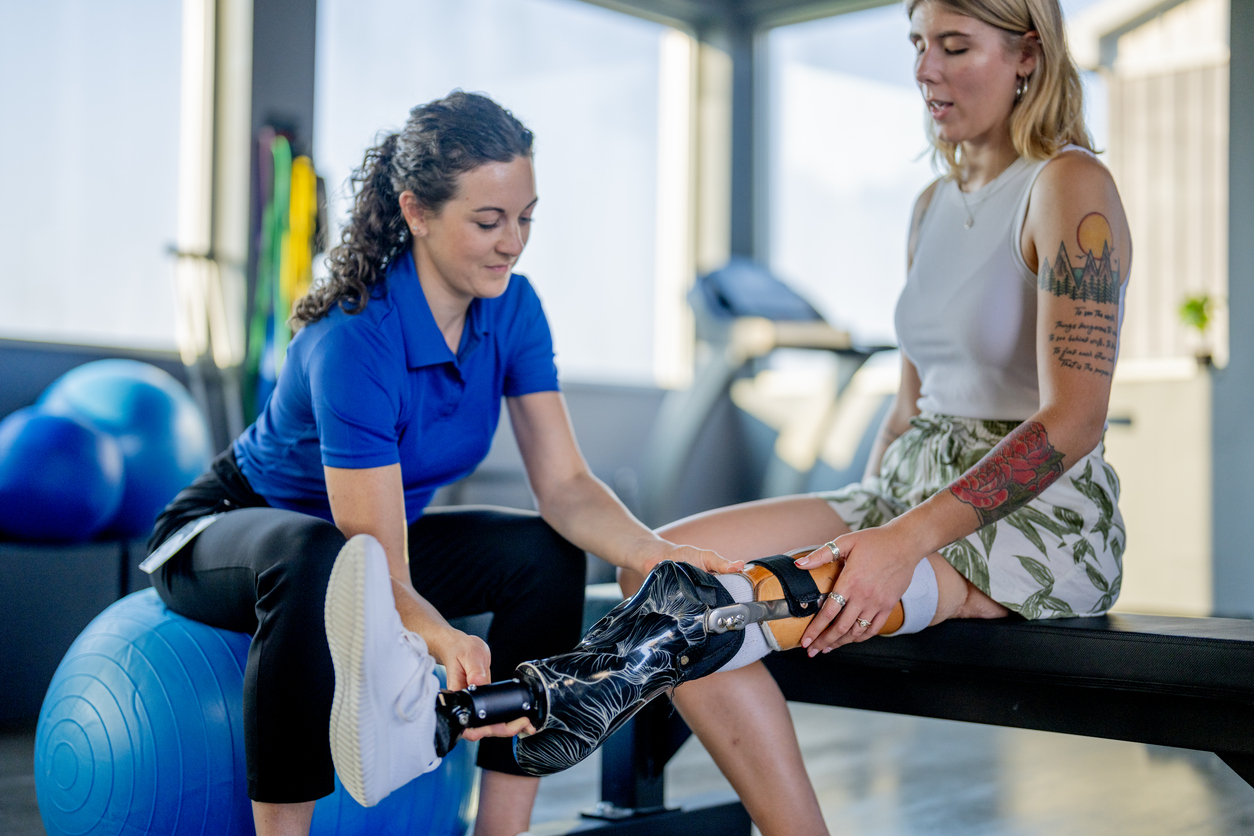

Physical therapy focuses on movement, strength, and physical function, and a licensed physical therapist evaluates how your body moves before creating a personal care plan. Sessions typically include guided exercise and hands-on techniques, and many plans add a short home routine. For older adults, this care addresses common age-related changes in strength, mobility, and balance. Here are some of the potential benefits of physical therapy for seniors:
Boosting Strength
Muscle mass can decline with age, and this loss may affect daily tasks like lifting or climbing stairs. To help, physical therapists use targeted exercises to work specific muscle groups. Your therapist may adjust resistance bands, light weights, or body-weight moves as your strength changes. Each exercise matches your current ability level.
When you build leg strength, rising from a chair may take less effort. Upper body exercises target the arms and shoulders, and core work focuses on the muscles of your trunk. Progress varies from person to person. Your therapist records changes in strength at each physical therapy visit.
Preserving Mobility
Mobility refers to your ability to move freely through daily activities. When you spend long periods sitting or resting, joints may stiffen. A therapist measures your range of motion, and your plan then addresses any areas with limits. Typical mobility activities include:
- Stretches for the hips, knees, and shoulders
- Range-of-motion exercises for stiff joints
- Drills that focus on stride length and pace
- Posture exercises for the neck and upper back
Improving Balance
Falls may become more common as people age, but balance training targets the body systems behind steady movement. These systems include your muscles, joints, and inner ear, and they work together with each step. To do this, your therapist reviews any past falls during your first visit.
Your therapist may check your posture and walking pattern, and the findings shape your balance plan. If you use a cane or walker, your therapist may review how you use it. Exercises might include standing on one foot near a sturdy counter. Other drills may involve stepping over small objects or turning in place.
Home safety also plays a role in balance. Your therapist may point out tripping hazards, and you decide on any changes. In some cases, loose rugs, cords, and dim lighting add risk because they make stable footing harder. Small adjustments may lower your chances of a fall.
Restoring Function
If you recently had surgery, an illness, or an injury, physical therapy may support your recovery. Your therapist sets goals with you, and each goal ties to a real daily task. Sessions focus on practical movements connected to your home and routine. Function-focused goals often include:
- Climbing stairs at home
- Getting in and out of a car
- Carrying groceries from the car to the kitchen
- Dressing and bathing with less assistance
Your progress in physical therapy is about regaining independence in daily life. Every session builds on the last, and this may help you move closer to tasks that work. While some days require strength, staying committed to the process can make a meaningful difference in how you live, work, and move around at home.
Schedule Physical Therapy Sessions
Physical therapy offers a structured approach; each plan reflects your health history, and your therapist adjusts it over time. Talk with your doctor if you have questions about whether physical therapy fits your needs. Contact a chiropractic clinic today to schedule your first evaluation.
