
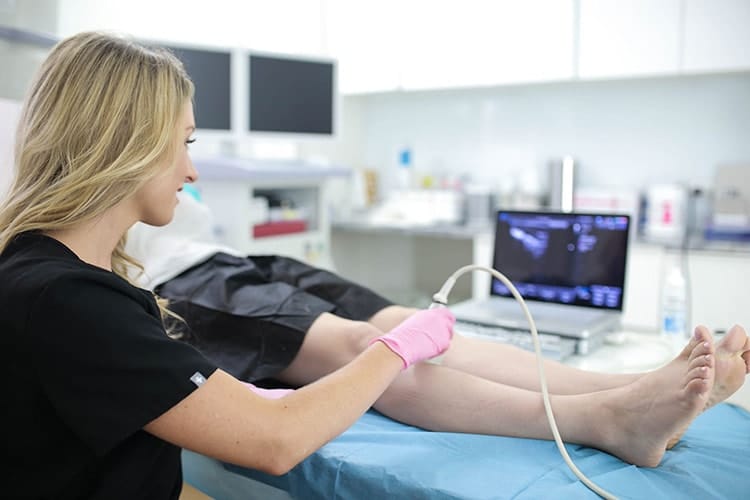

A vein clinic specializes in evaluating and treating vein conditions, including spider and varicose veins. At your first appointment, providers may review your health history, examine areas of concern, and outline next steps. Some clinics use ultrasound imaging to assess veins beneath the skin; this gives your provider a clearer view of what’s happening below the surface. Arriving prepared helps you use your appointment time effectively. Here are some tips to help you get ready for your first visit:
Gather Your Medical History
The vein clinic provider will ask about your health background, so collecting those details ahead of time keeps the appointment moving efficiently. Write down current and past medical conditions, including surgeries, leg injuries, and any previous vein treatments. Even older procedures are worth noting, as they give your provider a fuller picture of your history. Compile a thorough medication list that covers prescription drugs, over-the-counter products, vitamins, and supplements, along with the dose for each. Because some medications may affect treatment planning, accuracy is key. Your provider needs this information to guide the conversation properly.
Family history also plays a meaningful role. If close relatives had vein conditions, add that information to your notes. You’re more likely to experience certain concerns, such as varicose veins, when they run in the family. In the weeks before your visit, track any symptoms you notice; record when they appear, how long they last, and which activities seem connected. Photos of visible veins can also provide helpful reference.
Choose Appropriate Clothing
Wear shorts or a loose skirt to your appointment, or bring a pair of shorts to change into when you arrive. Your provider needs clear access to your legs for the exam, and tight pants and leggings can take extra time to remove. Practical clothing choices keep the process moving without unnecessary delays. Skip lotions, creams, and oils on your legs the day of your visit. These products sometimes leave a residue that may interfere with ultrasound imaging. If you wear compression stockings, bring them along or wear them in so your provider is able to assess the fit and discuss how you use them.
Prepare Questions Ahead of Time
Appointments move quickly, and questions may slip from memory without a written reference. Think about what you want to learn before you go, and write your questions down so nothing gets overlooked. The following topics can offer a helpful starting point:
- What type of vein condition do I have?
- Which treatment options apply to my situation?
- How many sessions might a treatment plan involve?
- What steps should I take before a procedure?
- Does my insurance plan cover these services?
Bring a notebook or use your phone to record your provider’s answers; clear notes can make it easier to review details afterward. Confirm the clinic address, parking options, and arrival time to make your visit easier. You may also ask whether you need to complete any paperwork in advance.
Visit a Vein Clinic
Preparing for a vein clinic visit involves gathering your medical history, choosing clothing that allows easy leg access, and writing your questions in advance. Each step can help you and your provider focus on the details that matter most during your time together. Your provider is able to assist with various concerns; this includes lymphedema, which causes swelling in the legs or arms. Schedule an appointment at a local vein clinic to get started.
