
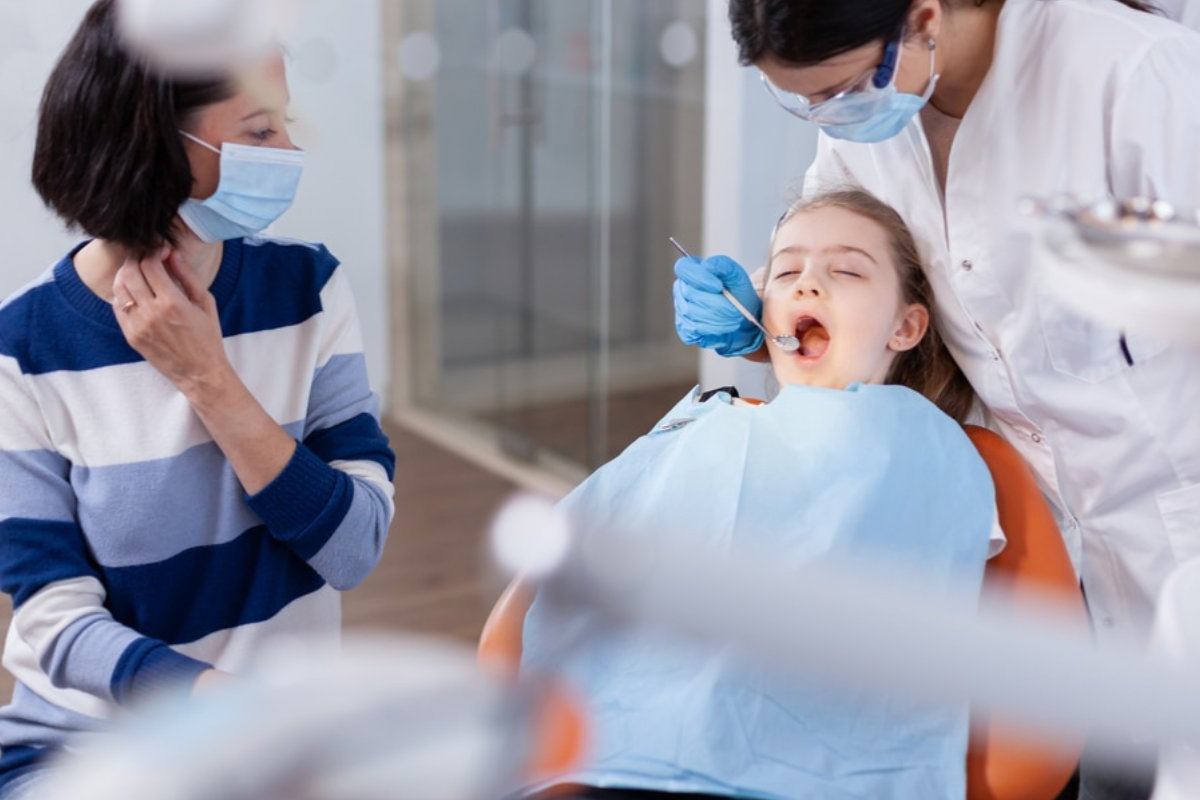

A dentist diagnoses and treats oral conditions, including fillings, crowns, root canals, and professional whitening. After any of these procedures, how you care for your mouth at home affects how the dental work holds up over time. Here are some tips for maintaining your smile after dental procedures:
Practice Daily Oral Hygiene
Maintaining a consistent oral hygiene routine helps keep your dental work in good condition and prevents future issues. Brush twice a day with a soft-bristled toothbrush and fluoride toothpaste. Use gentle, circular strokes. Pressing hard does not clean better, and it may irritate tissue that is still healing. Clean dental implants the same way you clean natural teeth, using a soft brush and a low-abrasive toothpaste.
Flossing once a day removes plaque and food from between teeth, where a brush does not reach. If you have a crown or bridge, a floss threader or water flosser lets you clean under and around the restoration. Slide the floss up and down instead of snapping it into place; this helps prevent gum irritation.
After an extraction or oral surgery, your dentist may give you separate instructions for the first few days. These often include:
- Not brushing directly on the surgical site for the first 24 hours
- Rinsing gently with warm salt water starting the day after surgery
- Skipping mouthwash that contains alcohol until the area heals
Take Dietary Precautions
What you eat after a dental procedure affects how quickly and comfortably you heal. Numbness from local anesthesia often lasts a few hours after treatment. Wait until feeling returns before you eat; it is easy to bite your cheek or tongue when the area is numb. During the first day or two, soft foods such as yogurt, eggs, mashed potatoes, and soup put less pressure on treated teeth. Some foods pose a risk to new dental work:
- Hard foods: Ice, nuts, and hard candy may chip porcelain or loosen a temporary crown.
- Sticky foods: Caramel and taffy sometimes pull at fillings and bridges.
- Dark drinks: After whitening, coffee, tea, and red wine can stain enamel more easily for about 48 hours.
- Acidic foods and drinks: Citrus and soda wear down enamel over time. Rinse with water after having them.
Protect the Teeth
Taking steps to safeguard your teeth supports a healthy smile. Avoid opening packages, biting your nails, or chewing on pens, since these habits put uneven force on restorations. Wear a mouthguard during contact sports or any activity that carries a risk of facial impact. If you grind or clench your teeth at night, ask your dentist about a custom night guard, because grinding places steady pressure on crowns, veneers, and fillings. Tobacco use stains teeth and slows gum healing, so quitting removes another source of strain on your mouth.
Visit a Dentist
Routine checkups every six months give your dentist a chance to examine your restorations and look for changes. Professional cleanings remove hardened tartar that brushing at home leaves behind. Contact the office sooner if you notice swelling, persistent pain, a loose crown, or an uneven bite. Schedule your next dental appointment today.
