
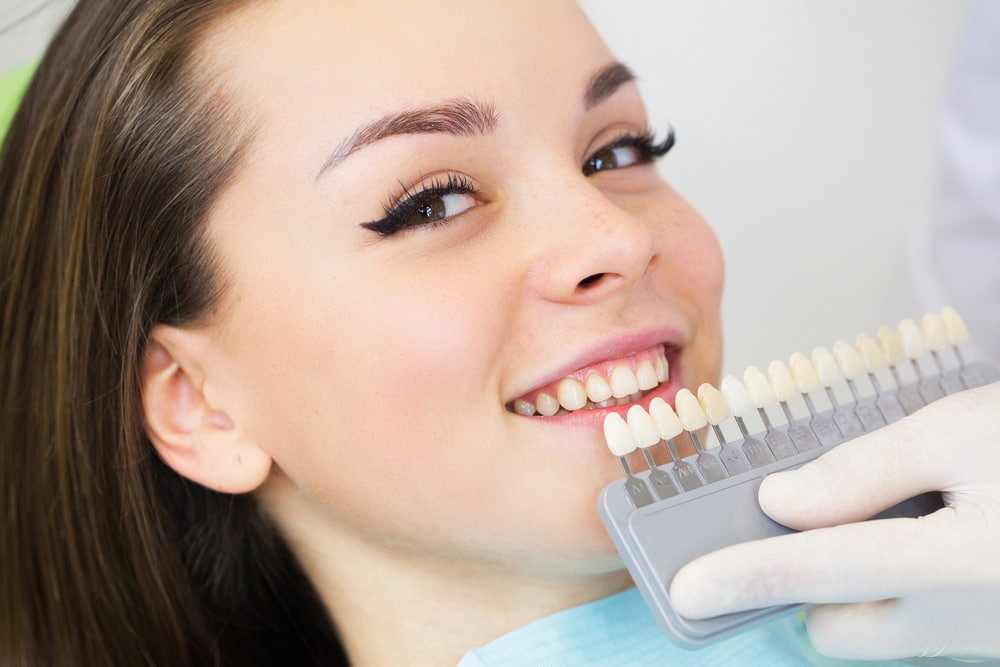

Cosmetic dental work includes a range of procedures that improve the color, shape, size, alignment, and overall appearance of the teeth. Many of these treatments also support better oral function and long-term dental health. Deciding when to pursue cosmetic treatment depends on your oral health and personal goals. Learn more about when you should consider cosmetic dentistry.
Alignment Issues
When teeth are crowded, overlapping, or spaced too far apart, they can be more difficult to clean thoroughly. This increases the risk of plaque buildup, tooth decay, and gum disease over time. Misalignment may also place uneven pressure on certain teeth, which can contribute to jaw discomfort or premature wear.
Consider cosmetic treatment for alignment issues if you notice any of the following:
- Teeth that overlap or appear crowded
- Noticeable gaps between teeth
- Difficulty brushing or flossing certain areas
- Jaw discomfort or uneven bite pressure
- Teeth that have shifted after previous orthodontic treatment
Clear aligners are a popular option for adults who prefer a discreet approach to straightening their teeth. In cases of minor misalignment, porcelain veneers may create the appearance of a straighter smile without extended orthodontic treatment. A cosmetic dentist can evaluate your bite and recommend the most appropriate solution.
Stubborn Staining
Coffee, tea, red wine, tobacco use, and certain medications can all contribute to staining on the enamel surface. Natural aging also plays a role, as enamel thins over time and allows the yellowish dentin beneath to become more visible. Over-the-counter whitening products can lighten mild surface stains, but they often produce limited results for deeper discoloration.
If you have maintained consistent oral hygiene and used whitening products without meaningful improvement, it may be time to seek professional care. In-office whitening uses stronger, carefully controlled agents to achieve more noticeable results in a shorter period. For intrinsic stains that do not respond to whitening, such as those caused by trauma or certain antibiotics, porcelain veneers or dental bonding can provide a long-lasting and natural-looking solution.
Chipped or Damaged Teeth
Chips, cracks, and fractures can result from accidents, sports injuries, biting hard foods, or nighttime teeth grinding. Even minor damage deserves prompt attention. A small chip may seem purely cosmetic, but it can expose the inner layers of the tooth to bacteria and increase sensitivity to hot or cold temperatures. Without treatment, a crack may also worsen and lead to more extensive damage.
Cosmetic dentistry offers several ways to restore both the appearance and strength of a damaged tooth. Dental bonding uses a tooth-colored resin to repair small chips and is often completed in a single visit. For teeth with significant structural damage, a dental crown can protect the remaining tooth and restore its natural shape and function.
Uneven Teeth
Teeth that vary in length, size, or shape can make a smile appear unbalanced. Some people are born with teeth that are naturally irregular, while others develop unevenness over time due to grinding, wear, or previous dental work. Uneven gum lines can also make certain teeth appear shorter or longer than others.
Enamel contouring gently reshapes small areas of the teeth to improve symmetry. Bonding and veneers can lengthen short teeth or reshape irregular ones. When the gum line contributes to the uneven appearance, gum contouring can create a more balanced frame for the teeth.
Consider Cosmetic Dentistry
Whether you are experiencing misalignment, persistent staining, chipped teeth, or uneven proportions, today’s cosmetic treatments offer effective and natural-looking solutions. A consultation with a qualified cosmetic dentist wil reveal the treatment options that best suit your needs. With careful planning and professional care, you can achieve a healthier, natural-looking smile that lasts.
