
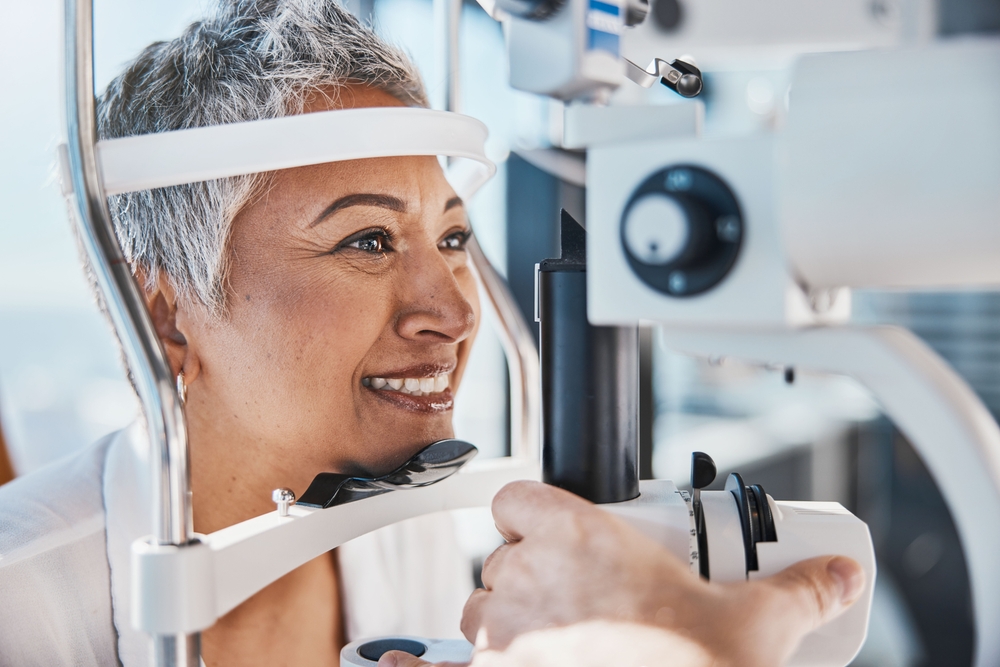

An eye exam is a comprehensive assessment of vision and eye health. Regular examinations allow eye care professionals to evaluate changes in the eyes and recommend further medical assessments when necessary. Here is more information on how an eye exam can detect underlying health issues:
Early Warning Signs of Disease
Several common eye diseases progress slowly. Glaucoma, cataracts, and age-related macular degeneration often show few symptoms in their early stages, so a person may not notice them at home. During an eye exam, your provider looks for subtle changes in the optic nerve, lens, and retina. When a provider identifies these changes early, you and your provider have more time to discuss monitoring or treatment options.
Systemic Health Conditions
The eye offers a direct and noninvasive view of blood vessels and nerves. This view gives providers useful information about your overall health. An eye exam does not replace a visit with your primary care doctor, but it may reveal signs that require further evaluation. When a provider notices these signs, they generally recommend a follow-up with the appropriate specialist.
Identifying Diabetes-Related Eye Changes
Diabetes affects small blood vessels throughout the body, including those in the retina. During an exam, your provider checks for leaking vessels, swelling, or small areas of bleeding. These findings do not confirm a diagnosis, but they indicate that a medical evaluation is helpful.
Detecting Hypertension and Related Conditions
High blood pressure is linked to narrowing, bending, or crossing of blood vessels in the retina. Your provider compares the width of arteries and veins and notes any unusual patterns. Providers also look for signs associated with high cholesterol, autoimmune conditions, and certain neurological disorders. If they find something unusual, they will explain the finding and suggest next steps.
Diagnostic Eye Tests
A comprehensive eye exam includes several tests, and each one evaluates a different part of the eye. The specific tests your provider uses depend on your age, history, and current symptoms, which is why exams vary from person to person. Here are some of the tests that are often included in an exam:
- Visual acuity test: Measures how clearly you see letters at various distances using an eye chart.
- Refraction assessment: Determines your prescription for glasses or contact lenses.
- Tonometry: Measures the pressure inside your eye, often with a gentle puff of air or a small probe.
- Dilated eye exam: Uses eye drops to widen the pupils so the provider can see the retina and optic nerve.
- Visual field test: Checks your side (peripheral) vision for gaps or blind spots.
- Optical coherence tomography (OCT): Creates detailed cross-section images of the retina without touching the eye.
Regular Exams for Monitoring
A single eye exam provides a snapshot of your eye health. Regular exams create a record, allowing your provider to compare results over time. Small changes in eye pressure, nerve appearance, or prescription strength become easier to identify when your provider has data for comparison. Your exam schedule depends on your age and risk factors. Providers often suggest an exam every one to two years for adults, and they often recommend yearly visits for adults over 60. If you have diabetes, a family history of glaucoma, or a current eye condition, your provider may suggest more frequent visits.
Book Your Eye Exam Today
Regular exams are key for maintaining eye health. Providers use them to look for early signs of eye disease, note changes linked to systemic conditions, and use specific tests to assess each part of the eye. Prepare for your appointment by keeping a detailed list of medications and symptoms to share with your provider. Contact a qualified ophthalmologist in your locality to book your eye exam today.
