
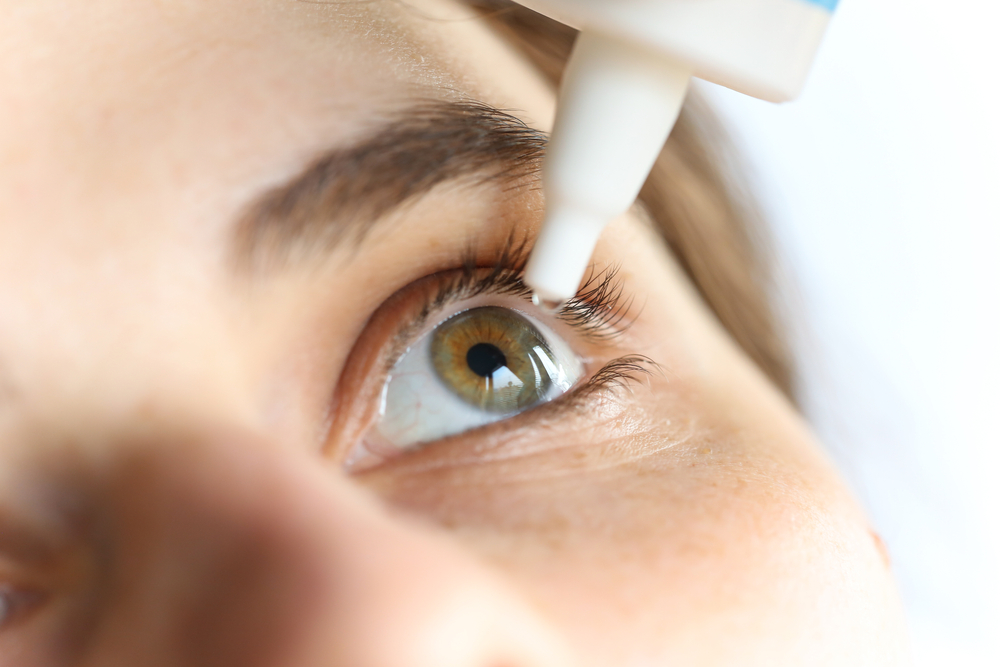

Dry eye disease occurs when your eyes don’t produce enough tears, or your tears evaporate too quickly. Symptoms often include a gritty or burning feeling, redness, blurred vision, and light sensitivity. If over-the-counter artificial tears don’t provide enough relief, an eye care professional may recommend additional treatment. Here are some treatment options for dry eyes:
Prescription Eye Drops
Prescription eye drops are available in different formulations, and an eye doctor selects one based on your symptoms and treatment needs. Some drops target the root causes of dry eyes. They reduce inflammation on the eye’s surface and help the tear glands produce more natural tears. Many people apply drops twice a day, and results can take several weeks to appear. Other prescriptions:
- Block a protein involved in the inflammatory process linked to dry eyes
- Form a layer over the tear film to slow evaporation
- Relieve dry eye flare-up symptoms
Punctal Plugs
Tears drain from the eye through tiny openings called puncta; they’re located in the inner corners of the upper and lower eyelids. Punctal plugs are small devices, about the size of a grain of rice, that block these openings. They slow drainage to keep your natural tears and any drops you use on the eye’s surface longer.
Insertion happens in the doctor’s office and usually takes only a few minutes. A numbing drop may be used, and many people feel little more than slight pressure. Plugs come in two types. Dissolvable plugs are made of collagen or similar materials, and they’re absorbed by the body over days or months. Doctors sometimes use these as a trial. Semi-permanent plugs are made of silicone or acrylic. They’re designed to stay in place for years unless removed.
Corneal Bandages
The cornea is the clear front layer of the eye, and severe dryness may damage its surface. Corneal bandages cover and protect this tissue while it heals. Bandage contact lenses are soft lenses, often made of silicone hydrogel, that shield the cornea from blinking friction. Your doctor places the lens and decides how long you wear it, from a few days to several weeks. Because extended wear raises the risk of infection, antibiotic drops are sometimes prescribed alongside it. Amniotic membrane bandages use processed tissue from donated placentas. One version is mounted on a flexible ring that sits on the eye like a large contact lens. It typically stays in place for a few days, and vision is often blurry during that time.
Manage Dry Eyes
Managing dry eye disease often requires more than artificial tears, especially when symptoms persist or start affecting daily activities. Prescription eye drops, punctal plugs, and corneal bandages offer different ways to address inflammation. They also help retain moisture and protect the eye’s surface. The right treatment depends on symptom severity, your cornea’s condition, and how your eyes respond to initial therapies. Regular follow-up appointments allow your doctor to monitor your progress, and treatment adjustments help address ongoing symptoms. Schedule an evaluation with an eye care professional today to learn more about managing dry eyes.
