
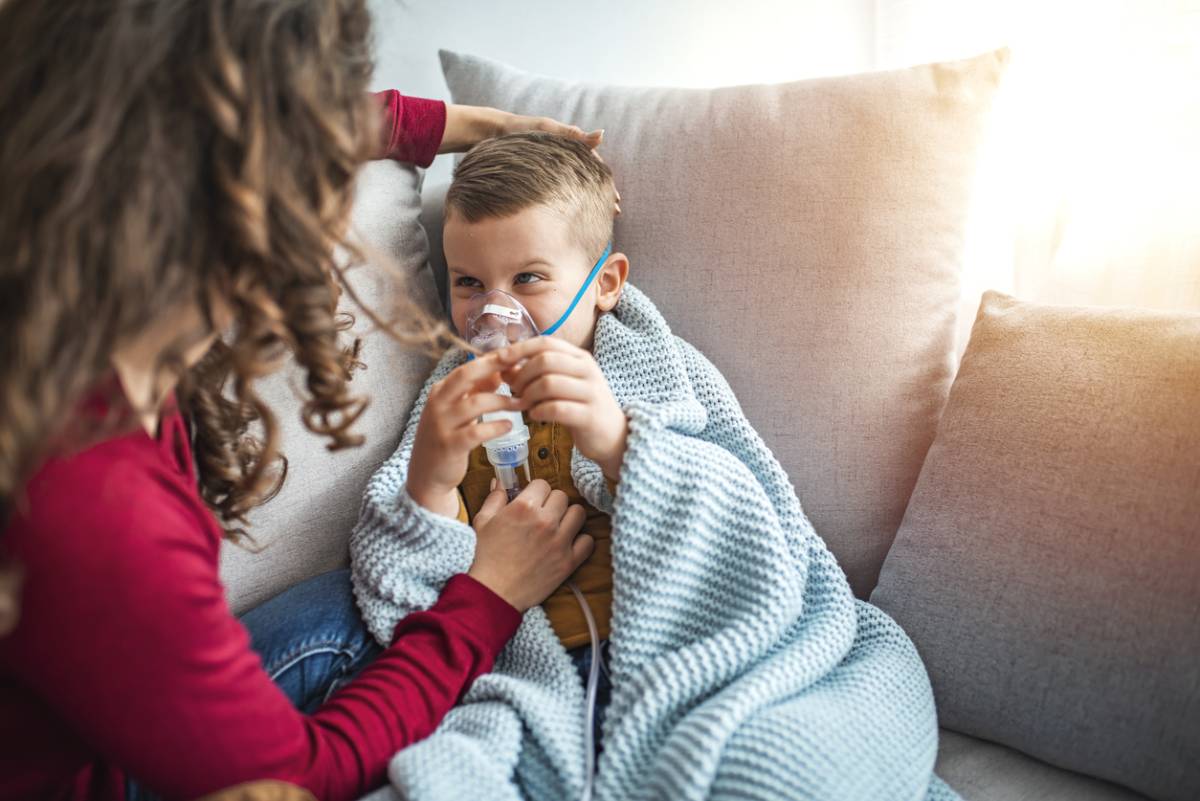

The signs of asthma vary from one child to another. Parents may notice a recurring cough at night, a whistling sound when their child breathes out, or shortness of breath during play. Here is an overview of signs of asthma in children that parents should watch for:
Symptoms of Childhood Asthma
Many early signs of asthma look ordinary, and they blend into school days, sports, and bedtime. A child may keep up with friends, and symptoms only appear when they push themselves. Here is a short list of common symptoms:
- Frequent coughing: The cough lingers for weeks and worsens with activity or at night.
- Wheezing sounds: You hear a whistling noise when your child exhales, and it often appears with colds.
- Shortness of breath: Your child feels winded faster than peers and pauses during play.
- Chest tightness: Your child presses a hand to their chest and describes pressure or squeezing.
- Rapid breathing: Breaths become quicker and shallower, and your child works harder to speak.
Timing of Asthma Symptoms
Timing gives strong clues about whether symptoms relate to asthma or another issue. A cough that appears only during colds behaves differently from one that returns with exercise or outdoor play. Track when your child coughs, wheezes, or is short of breath, and write down the setting. These details help a doctor detect patterns and narrow down triggers. Some children react during sports at school, and others react when they spend time around pets or dust. Symptoms that cluster around bedtime or early morning often relate to airway sensitivity. Weather changes, pollen seasons, and viral infections also influence how often breathing trouble appears.
Reasons for a Visit
Parents often handle some minor illnesses at home, but repeat breathing issues require medical attention. If a cough lingers beyond a typical cold and disrupts sleep or play, schedule a visit. Any wheezing episode, even if brief, warrants a conversation with a healthcare professional. A doctor listens to lung sounds, reviews history, and may suggest further evaluation or monitoring.
When symptoms interfere with gym class, recess, or sports, a visit helps protect your child’s activity level. Early guidance supports school participation and reduces missed days from breathing flare-ups. Your child’s doctor may ask about family history, home environment, and recent illnesses. Bring notes on symptom timing, suspected triggers, and medicines that helped. If your child already has an asthma diagnosis, schedule a visit when their usual plan stops working. Needing quick-relief medication more often signals that airway control has changed.
Signs of Breathing Emergencies
Symptoms may remain mild on some days, but parents need to recognize when breathing trouble becomes an emergency. Fast action in those moments can limit strain on the lungs and support safe outcomes. Here are some key breathing emergencies that require prompt action:
- Struggling to speak: Your child speaks in single words and pauses often to catch a breath.
- Visible pulling at the ribs or neck: Skin sucks inward between ribs or above the collarbones with each breath.
- Nostrils flaring: Nostrils widen with every inhale, and the face looks tense.
- Blue or gray lips or fingernails: Color changes signal low oxygen, and they require emergency care.
- Rapid breathing that does not slow: Breaths stay fast even at rest, and your child appears restless or unusually quiet.
- Sudden confusion or drowsiness: Your child seems less alert and responds slowly or oddly.
Book Your Asthma Appointment Today
Early attention to breathing patterns can support steady days at school, on the playground, and at home. When you notice a persistent cough, wheeze, or shortness of breath, a focused visit can help clarify the cause. A doctor reviews symptoms, and they recommend options that match your child’s needs. Contact a qualified asthma specialist near you to book your asthma appointment today.
