
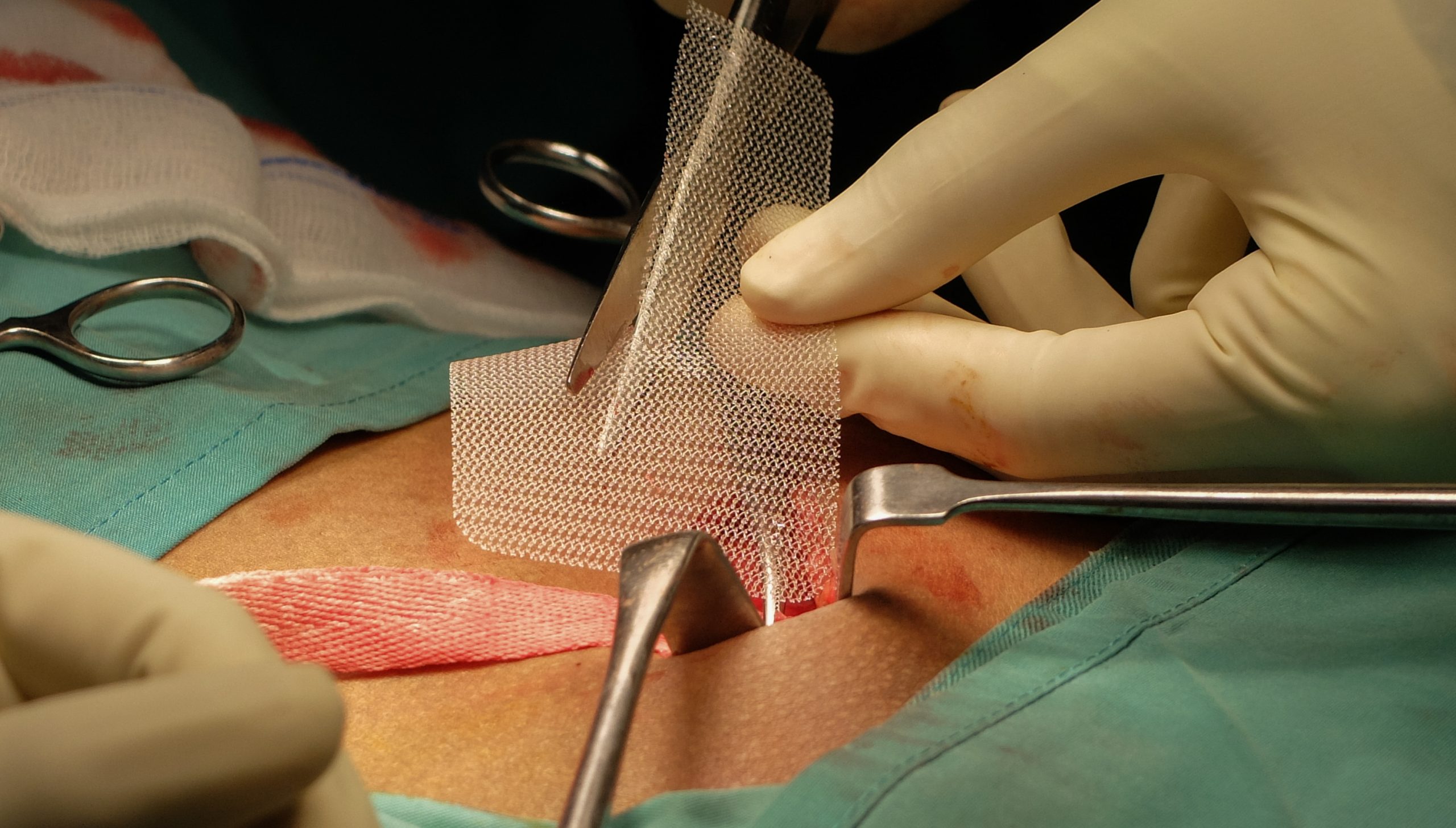

A hernia surgeon evaluates and treats weaknesses in the abdominal wall, and their approach shapes both the procedure and recovery. When you look for someone to repair a hernia, you should weigh their technical training, their focus on this type of surgery, and how they monitor you after the operation. Each of these elements influences safety and the durability of the repair over time. Here is more information on what makes a good hernia surgeon:
Specialized Focus
A hernia surgeon develops a focused skill set by working with abdominal wall defects regularly. When a surgeon focuses on hernia repair, they gain familiarity with different hernia locations, tissue qualities, and patterns of recurrence. This depth of exposure helps them determine which repair method fits your anatomy, and it supports clear explanations of what to expect from surgery and recovery. Surgeons who emphasize hernia surgery stay current with open and minimally invasive techniques. One patient may benefit from a straightforward open repair, while another requires a more complex approach that reconstructs the abdominal wall.
Personalized Treatment
Good hernia care starts with a structured evaluation of your health, daily activities, and surgical history. It treats the hernia as one part of your overall condition. A surgeon reviews imaging, and they may examine the hernia from different angles. They may also ask about lifting demands at work or home. When developing a repair plan, providers take into account these details to determine the most appropriate surgical timing and anesthesia approach. Treatment also involves:
- Assessment of medical history, medications, and prior operations that affect healing and mesh selection.
- Discussion of symptoms such as pain, bulging, or activity limits.
- Explanation of open versus minimally invasive approaches, including how each affects incision size and recovery.
- Preoperative and postoperative instructions tailored to your health status and the specific repair technique.
Ongoing Monitoring
Follow-up after hernia surgery helps detect issues early and supports long-term outcomes. A structured schedule of visits lets the surgeon check the incision and evaluate swelling. They also track how the repair feels as you return to normal movement. When questions about discomfort, bruising, or activity limits arise, these visits give you a clear setting to address them, and they support recovery.
Monitoring doesn’t end with the first post-surgery check; it extends through several stages of healing. Early visits focus on wound health and pain control. Later visits address scar tissue, core strength, and any residual sensations at the repair site. If the surgeon identifies changes such as persistent bulging or unusual discomfort, they adjust activity recommendations or modify the care plan. This ongoing oversight supports stable repair strength, and it may reduce the chance that small problems go unnoticed.
Find a Hernia Surgeon Today
Searching for a hernia surgeon involves looking at training, focus, and follow-up structure. See whether the surgeon explains repair options, and ask how they adapt techniques to different hernia types and health profiles. Pay attention to how preoperative instructions, intraoperative decisions, and postoperative visits are organized. This framework shapes your experience from consultation through recovery. If you have a hernia, find a surgeon who treats your specific condition.
