
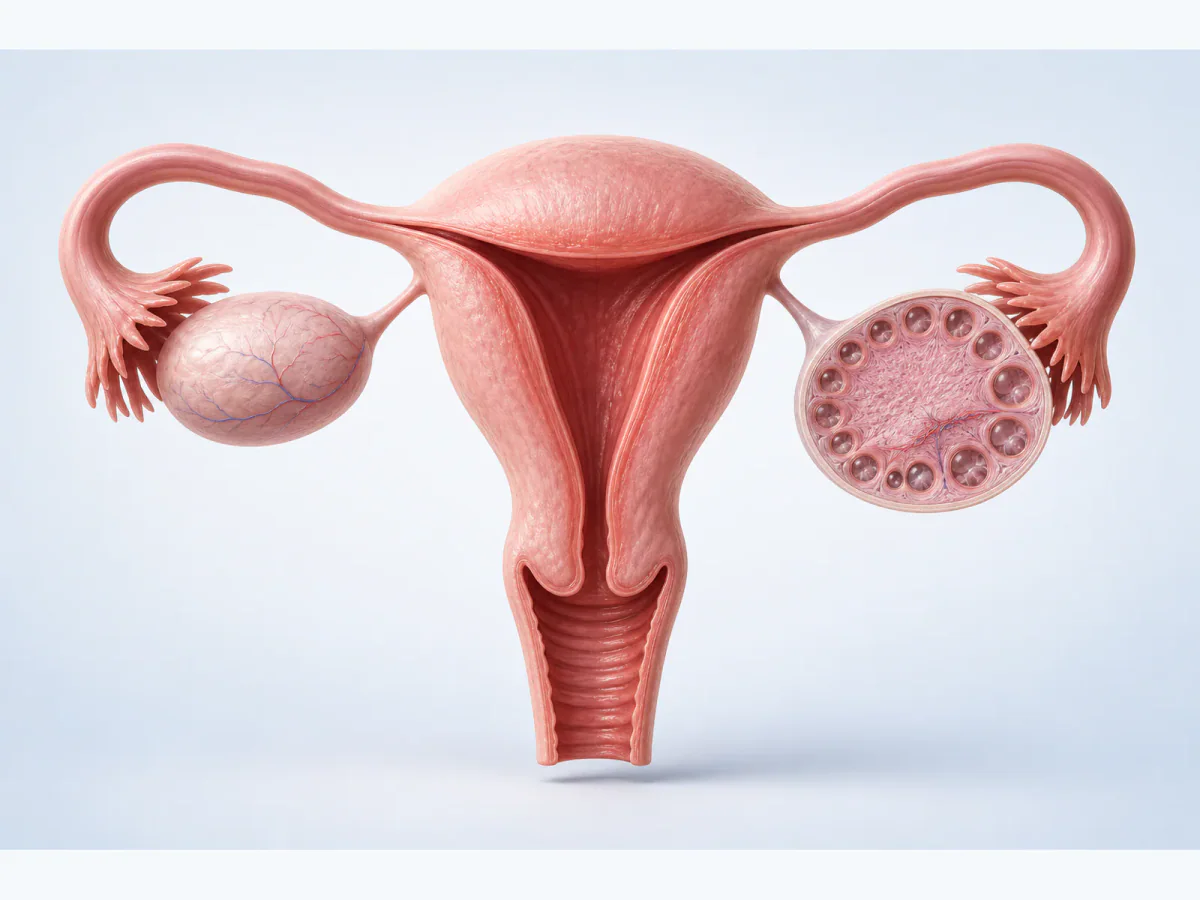

Polycystic ovary syndrome (PCOS) affects many women of reproductive age, and typical signs include irregular or missed periods, acne, or excess facial hair. Some people gain weight easily, while others have thinning hair on the scalp. Here are some questions you may have about PCOS symptoms:
What Causes PCOS?
While many people have PCOS, they have not found a single cause of this condition. Several factors appear to play a role. Genetics matter, and PCOS typically runs in families. If you have a family member with PCOS, your own risk rises.
Insulin resistance is common in PCOS, and it occurs in patients of all body sizes. When your cells respond poorly to insulin, your body makes more of it. High insulin levels push the ovaries to produce extra androgens. These male-type hormones disrupt ovulation and cause many PCOS symptoms.
Do I Need an Ultrasound?
An ultrasound is one possible diagnostic tool. Doctors diagnose PCOS when you meet at least two of three criteria. Your provider reviews your health history, and they may order blood work. If you already meet the first two criteria, you skip the ultrasound. Your doctor still examines you, and they test for thyroid or prolactin problems too. Blood tests check testosterone and other hormone levels, and the three diagnostic criteria are:
- Irregular or absent ovulation, typically seen as infrequent periods
- New signs of high androgens on exam or in blood tests
- Polycystic ovaries on ultrasound or a high AMH blood level
Can I Still Conceive?
Many people with PCOS conceive, but some need medical help to ovulate. Since PCOS disrupts ovulation, timing intercourse without medical guidance may be difficult. A fertility evaluation looks at ovulation, hormones, and your partner’s semen. Ask your doctor whether a referral to a fertility specialist makes sense for you.
Letrozole is the first-line medication for ovulation induction in PCOS. You take it for five days early in your cycle, which can trigger ovulation. Clomiphene is another option, and doctors still prescribe it for some patients. If pills do not work, your doctor may recommend injectable hormones.
When medications fail, in vitro fertilization (IVF) remains an option. PCOS may raise the risk of ovarian hyperstimulation during IVF, so clinics adjust dosing carefully. Pregnancy with PCOS also carries higher risks of gestational diabetes and high blood pressure. Your provider can screen you earlier for these conditions.
What Are My Treatment Options?
Treatment depends on your symptoms and your goals. No medication cures PCOS, but several options manage its effects. While your plan may change over time as your needs shift, typical options include the following:
- Lifestyle changes: Losing some body weight can restore regular cycles.
- Birth control pills: These regulate periods and lower androgen levels.
- Metformin: This drug improves insulin resistance.
- Spironolactone: This medication reduces acne and unwanted hair growth.
Because spironolactone may harm a developing fetus, doctors pair it with reliable birth control. Each medication has possible side effects. Metformin upsets your stomach, and birth control pills may raise clot risk for some patients. Bring a list of your current medications to each visit.
Get Evaluated for PCOS Symptoms
PCOS also raises your long-term risk of diabetes and heart disease. If you notice irregular cycles, acne, or extra hair growth, schedule a visit with a gynecologist. Write down your cycle dates before the appointment, and bring any recent lab results. These details help your provider make an accurate diagnosis.
