
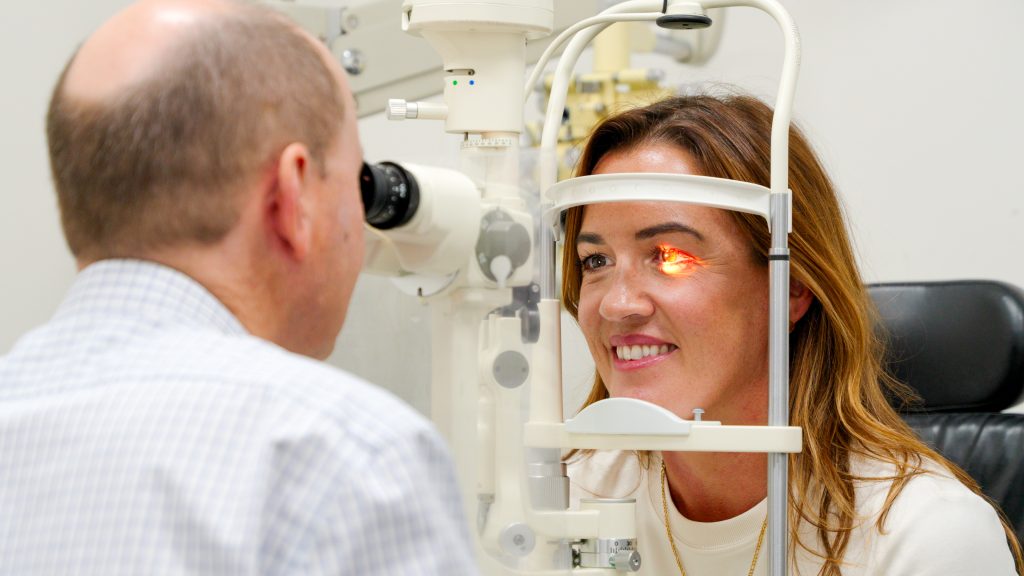

An ophthalmologist specializes in diagnosing and treating eye conditions, including glaucoma, cataracts, macular degeneration, and diabetic eye disease. Because certain eye conditions develop without noticeable symptoms, routine examinations help identify potential concerns before vision changes occur. Sudden vision changes or severe eye pain require immediate medical attention, while patients with diabetes benefit from regular eye evaluations. Here is more information about when to seek an ophthalmologist’s expertise:
Experiencing Blurred Vision Suddenly
Sudden blurred vision may affect one or both eyes and sometimes occurs alongside flashes of light or new floaters. Although refractive errors cause some vision changes, sudden blurring sometimes indicates conditions such as retinal detachment or retinal vascular problems. Ophthalmologists examine the retina, lens, and optic nerve to identify possible causes and recommend appropriate treatment. Because sudden vision changes sometimes signal an eye emergency, patients should seek immediate medical evaluation rather than wait for an appointment.
Noticing Increased Eye Pressure
Glaucoma is a group of eye conditions that damage the optic nerve, sometimes involving elevated pressure inside the eye. Because many forms develop without noticeable symptoms, vision changes might not appear until the disease has progressed. Ophthalmologists measure intraocular pressure and examine the optic nerve to identify potential signs of glaucoma.
Treatment options include prescription eye drops, laser procedures, and surgeries designed to lower eye pressure. Depending on the condition, ophthalmologists may recommend procedures such as trabeculectomy or XEN gel stent placement. Patients with a family history of glaucoma should discuss regular eye examinations with their ophthalmologist to monitor potential risks.
Managing Diabetes-Related Eye Changes
Diabetes may affect blood vessels in the retina, sometimes leading to diabetic retinopathy and other vision-related complications. Because retinal changes often develop without noticeable symptoms, regular diabetic eye examinations help identify potential concerns. Eye care for patients with diabetes may involve:
- Scheduling regular diabetic eye exams to monitor retinal health and identify changes
- Detecting retinal abnormalities such as leaking blood vessels, swelling, or abnormal blood vessel growth
- Exploring treatment options to manage diabetic retinopathy and related complications when appropriate
- Coordinating medical care between an ophthalmologist and primary care providers to support diabetes management
- Monitoring vision changes through follow-up examinations based on individual eye health needs
Regular monitoring helps ophthalmologists evaluate retinal health and recommend treatment when necessary. Patients with diabetes should discuss appropriate screening intervals with their eye care provider, even when their vision appears normal.
Scheduling Routine Vision Exams
Routine eye examinations help ophthalmologists monitor vision and identify potential eye conditions before noticeable symptoms develop. Comprehensive exams often include visual acuity testing, eye pressure measurements, and evaluations of the retina and optic nerve. Because conditions such as glaucoma and macular degeneration sometimes progress gradually, regular examinations support early detection and ongoing monitoring. Patients over 40 or those with a family history of eye disease should discuss appropriate examination schedules with their ophthalmologist.
Schedule With an Ophthalmologist Today
Regular eye examinations help ophthalmologists monitor vision and identify potential concerns before noticeable symptoms develop. Changes in vision, elevated eye pressure, and diabetes-related complications sometimes require additional testing or treatment. Because eye health needs vary, ophthalmologists recommend examinations and personalized care based on individual risk factors and symptoms. Schedule an eye exam today to discuss your vision concerns and explore appropriate eye care options.
