
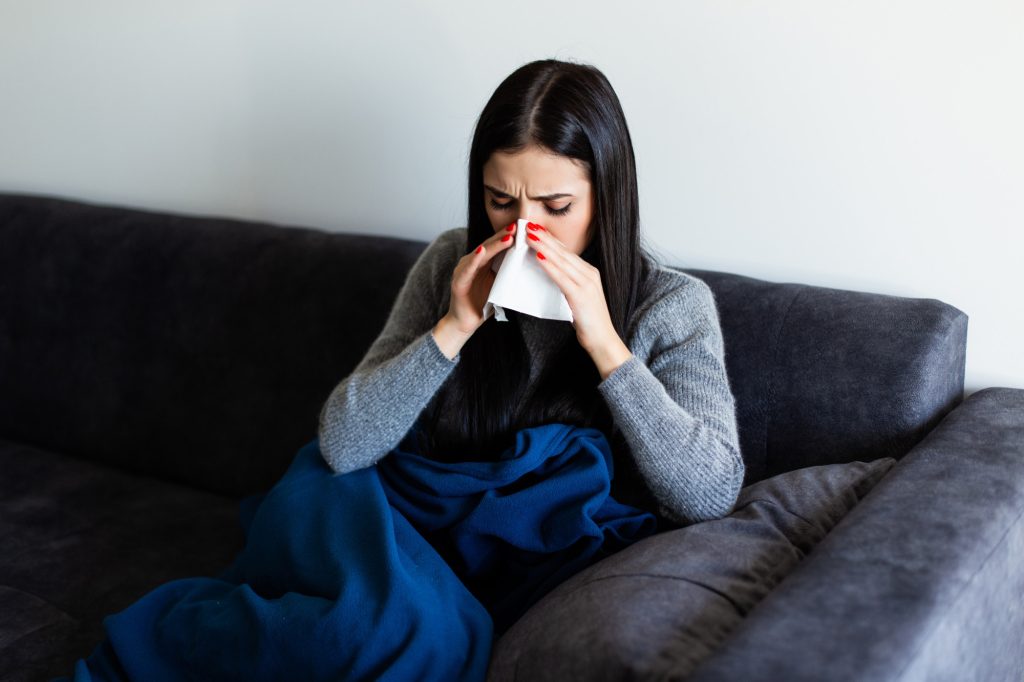

Allergies and asthma are two common health conditions that often occur together. Both involve the immune system; they share many of the same triggers, such as pollen, dust mites, and pet dander. When an allergic response contributes to breathing difficulties, the condition is commonly referred to as allergic asthma. Learning how each condition develops and how the two may interact can help you recognize symptoms and make informed decisions about your care.
What Are Allergies?
An allergy is a reaction that occurs when the immune system responds to a substance that is typically harmless to most people; these substances are known as allergens. When a person with an allergy encounters an allergen, the body may treat it as a threat and trigger a reaction that produces noticeable symptoms. Common sources of allergies include:
- Tree, grass, and weed pollen
- Dust mites and mold spores
- Pet dander
- Foods, such as peanuts, shellfish, or eggs
- Insect venom and some medications
Allergy symptoms vary from person to person. Some individuals experience sneezing, a runny or congested nose, and itchy, watery eyes; others may develop hives, skin rashes, or digestive discomfort. Seasonal allergies tend to appear when pollen counts rise during specific times of the year, while year-round allergies can be linked to indoor allergens. An allergic reaction may affect multiple body systems at once. This severe reaction is known as anaphylaxis, and it requires emergency medical attention.
What Is Asthma?
Asthma is a long-term condition that affects the airways leading to the lungs. In people with asthma, these airways can become inflamed and narrow, which makes it more difficult for air to move in and out. The muscles surrounding the airways may also tighten, and the airways produce extra mucus. Asthma symptoms often come and go. During an asthma attack, symptoms typically include:
- Shortness of breath
- Wheezing
- Chest tightness or pressure
- Coughing
A range of factors can trigger asthma. Allergens are a common source, but exercise, cold air, respiratory infections, tobacco smoke, strong odors, and air pollution may also contribute to symptoms. Asthma can develop in childhood or adulthood, and its severity differs among individuals. A healthcare provider may evaluate breathing function through tests, measuring how much air a person exhales and how quickly.
What Are the Effects?
Allergies and asthma often share a close relationship; the same immune response that causes sneezing or itchy eyes can also lead to inflammation in the lower airways. For some people with allergic asthma, exposure to an allergen produces both nasal symptoms and breathing difficulties at the same time. People who have allergic rhinitis may also be diagnosed with asthma.
Some individuals limit outdoor activities during high pollen seasons or avoid exercise due to concerns about breathing difficulty. Over time, asthma that is not well managed can lead to more frequent flare-ups and changes in lung function. Persistent allergy symptoms may contribute to sinus or ear problems in some cases. Keeping a record of when and where symptoms occur can help reveal specific triggers and patterns, and this record provides useful details for a healthcare provider to review.
Seek Treatment From a Professional
A healthcare provider who focuses on allergy and immunology may perform testing to identify specific allergens. Once triggers are identified, a provider is able to develop a personalized management plan that can include medications, changes to the home or work environment, or allergen immunotherapy; this is a treatment that gradually exposes the body to small amounts of an allergen over time. If you experience recurring wheezing, coughing, or shortness of breath, contact a healthcare professional to discuss testing and treatment.
