

Orthopedics is a branch of medicine that focuses on the musculoskeletal system. This system includes the bones, joints, ligaments, tendons, muscles, and nerves that allow the body to move. When one part of this system is injured or affected by a condition, it may limit mobility and change how a person performs daily activities. Orthopedic specialists evaluate these concerns; they are able to develop treatment plans that can include nonsurgical care, rehabilitation, surgery, or a combination of approaches.
What Conditions Should Be Treated?
Orthopedics addresses a wide range of musculoskeletal concerns. Some develop suddenly from an accident or sports-related injury, and others form gradually over time due to aging, repetitive motion, or underlying health factors. Conditions commonly evaluated by orthopedic specialists vary, including:
- Fractures and dislocations
- Sprains and strains
- Osteoarthritis
- Tendonitis
- Hand injuries, such as carpal tunnel syndrome
- Ligament tears, such as anterior cruciate ligament (ACL) tears
- Rotator cuff injuries
Some orthopedic specialists focus on specific areas of the body, such as the hand, shoulder, knee, or foot and ankle; others concentrate on particular patient groups, such as athletes or children. To identify the source of a concern, a specialist typically reviews your symptoms, conducts a physical examination, and can order imaging tests. The findings from this evaluation help guide decisions about which treatment approach may be appropriate for your situation.
What Does Rehabilitation Entail?
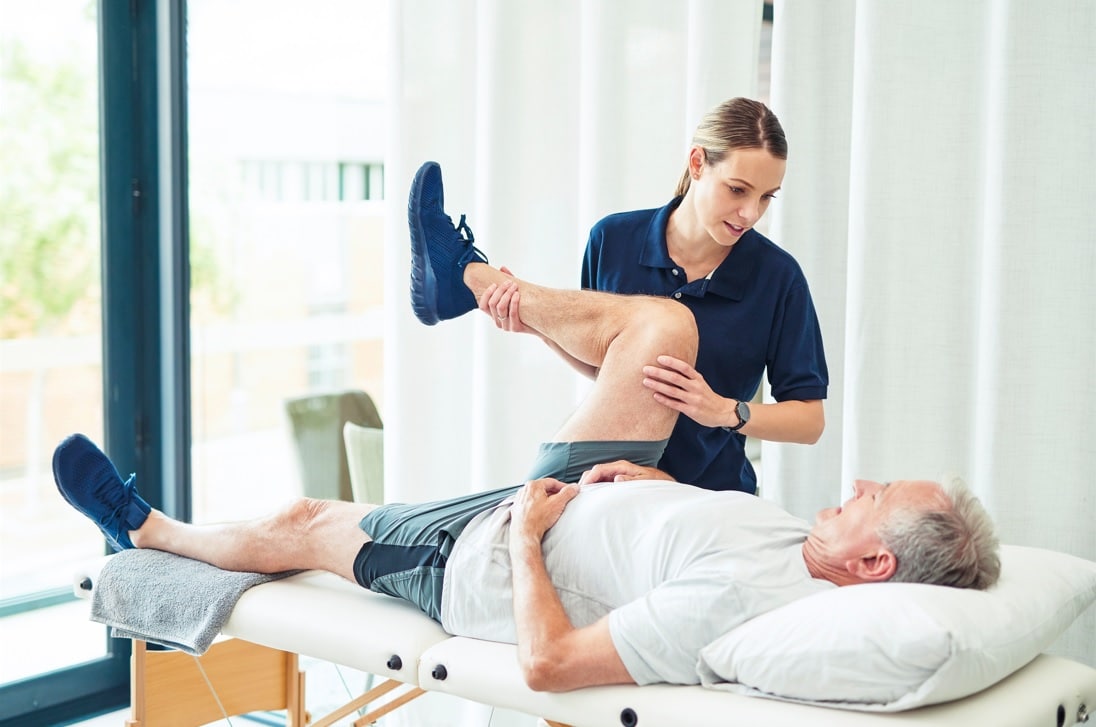
Rehabilitation is a structured process designed to help restore movement, strength, and function after an injury, surgery, or the onset of a musculoskeletal condition; it can be guided by a physical therapist who works alongside the orthopedic specialist. Each plan is tailored to the patient’s condition, goals, and activity level. Depending on individual needs, a program can include:
- Stretching and range-of-motion exercises to improve flexibility
- Strength training to support the muscles surrounding an affected area
- Balance and coordination activities
For some conditions, rehabilitation may serve as the primary form of treatment. For others, it follows a surgical procedure and supports the recovery process. The length of a program varies, and it may range from several weeks to several months. Many programs also include home exercises so that patients can continue their progress between appointments. Therapists monitor each patient’s response and adjust the plan as recovery advances.
What Can Surgery Involve?
An orthopedic specialist may recommend surgery when nonsurgical treatments have not produced the desired results, or it is utilized when an injury requires structural repair. The type of procedure depends on the condition, as well as its severity. Arthroscopy is a minimally invasive procedure in which a surgeon inserts a small camera through a tiny incision to view the inside of a joint. Specialized instruments are then used to repair torn cartilage or address damaged tissue.
Joint replacement involves removing damaged portions of a joint, replacing them with artificial components made of metal, plastic, or ceramic. This procedure is often performed on hips and knees, but shoulders and other joints may also be replaced. Fracture repair can involve the use of hardware to hold bones in proper alignment while they heal. Other procedures include tendon and ligament reconstruction and soft tissue release.
Consult an Orthopedics Specialist
Certain signs may indicate that an orthopedic evaluation is appropriate. These include joint pain that persists for more than a few weeks, reduced range of motion, or instability in a joint. Difficulty performing routine tasks, such as climbing stairs or gripping objects, may also be a reason to seek an assessment. An early evaluation allows a specialist to identify the cause of symptoms, and they can discuss available options with you before a condition progresses.
