
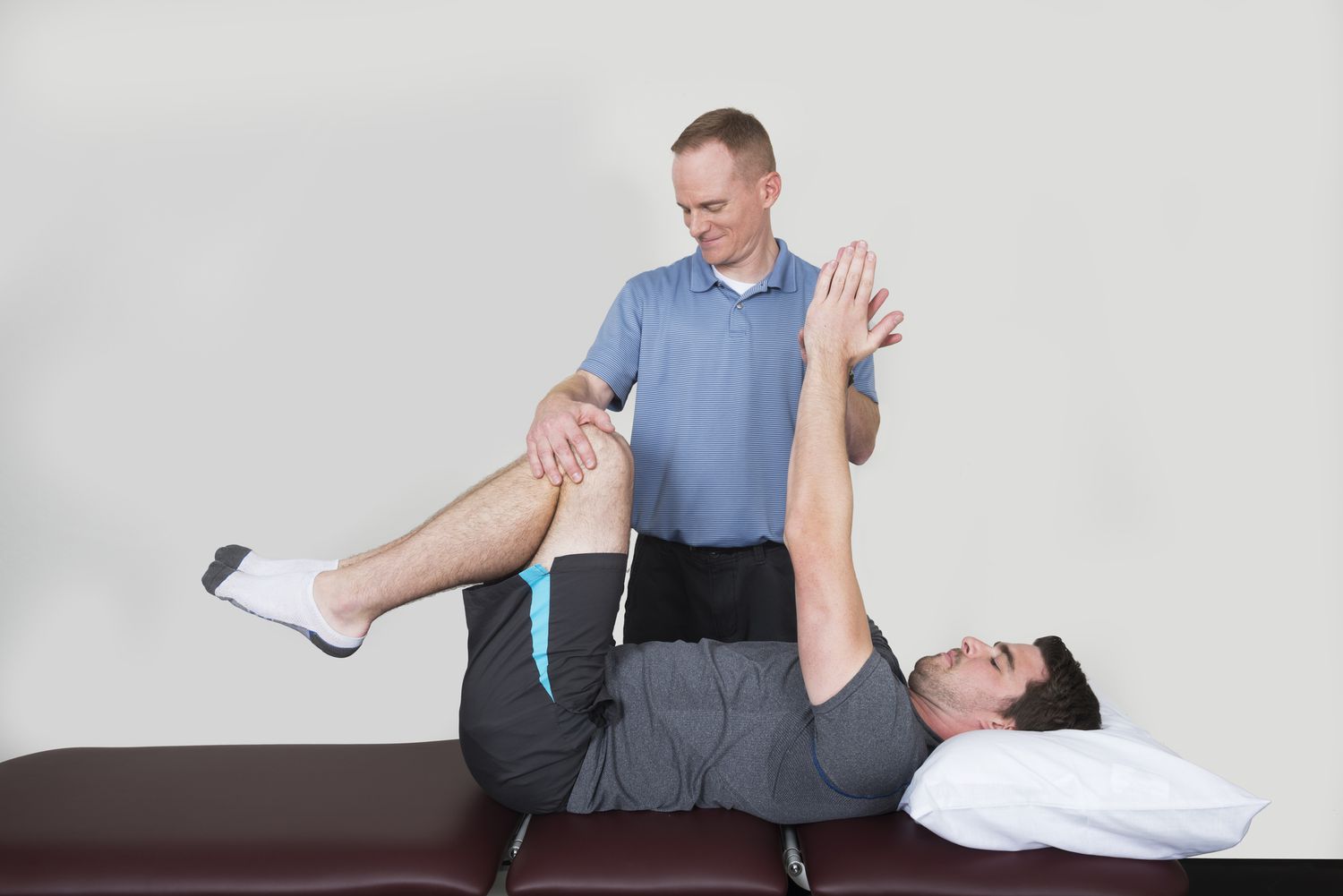

Spinal stenosis is a narrowing of the open spaces inside the spine, which may put pressure on the spinal cord and the nerves that branch from it. It often develops in the lower back or neck, and age-related changes are a common cause. Treatment depends on the condition’s location and how much it affects your daily life. Here are some treatment options for spinal stenosis:
Regenerative Medicine
Regenerative medicine uses substances drawn from your own body to help repair damaged tissue. Two approaches appear often in spine care: platelet-rich plasma therapy and stem cell therapy. Platelet-rich plasma (PRP) therapy starts with a small blood sample. A centrifuge spins the sample to concentrate the platelets, and a provider injects that concentrate near the affected area using imaging guidance. Platelets contain growth factors involved in tissue healing. Stem cell therapy follows a similar process, but the cells usually come from bone marrow or fat tissue.
These treatments may help address inflammation and tissue damage around the affected spinal structures. PRP aims to reduce inflammation in irritated tissues, while stem cell therapy supports tissue repair and regeneration. Depending on the condition’s underlying cause and severity, regenerative treatments can manage pain and improve function.
Spinal Decompression
Spinal decompression is a minimally invasive treatment for spinal stenosis; it targets thickened ligaments within the spinal canal, which is a primary cause of nerve compression. During the procedure, a needle-like instrument removes portions of these thickened ligaments. This creates additional space within the spinal canal. Increased space can reduce pressure on nearby nerves and help relieve symptoms like back pain and numbness. This treatment helps improve mobility without requiring a more extensive surgical procedure.
Minimally Invasive Surgery
If conservative treatments do not relieve your symptoms, a surgeon may recommend a minimally invasive procedure. These operations use small incisions, specialized instruments, and imaging guidance. This causes less disruption to surrounding muscle than traditional open surgery. Some options include:
- Intracept: This procedure uses radiofrequency energy to target nerves in the lower spine, preventing pain signals from traveling to the brain.
- Vertiflex: This places a small titanium implant between the spinal structures to create more space in the spinal canal and reduce pressure on nearby nerves.
- Mild: This removes excess ligament tissue from the spinal canal, increasing space and relieving nerve compression.
Many of these procedures are performed on an outpatient basis, so you can return home after treatment. Recovery varies by procedure, the severity of your spinal stenosis, and your overall health. Your provider can recommend the right method based on the cause and severity of your spinal stenosis and your symptoms.
Treat Spinal Stenosis Today
Spinal stenosis affects each person differently, so no single treatment fits every case. Regenerative medicine, nonsurgical decompression, and minimally invasive surgery each involve distinct steps and recovery timelines. A thorough evaluation, including a physical exam and imaging, helps determine which options match your situation. Some doctors may also recommend multiple approaches to target pain symptoms and address underlying causes. Schedule a consultation with spinal specialists today to review your treatment options.
