
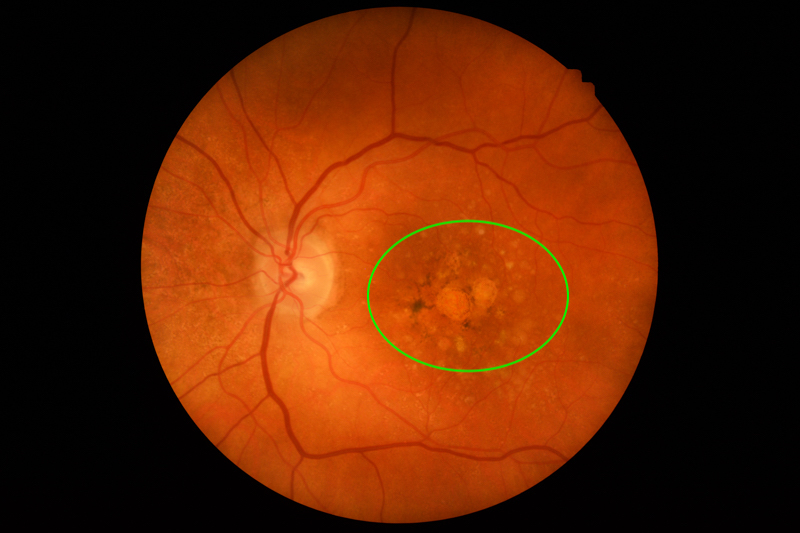

Macular degeneration is an eye disease that damages the macula, which is a small area in the center of your retina. The macula controls sharp, detailed central vision; you use it to read and recognize faces, and damage to it blurs your central view. Knowing which type you have helps you understand your diagnosis and your treatment options. Here are the different types of this disease:
Age-Related Macular Degeneration
Age-related macular degeneration (AMD) is a major form of the disease. It typically affects older adults, and the risk rises with each decade of life. When your eye doctor finds AMD, they classify it as early, intermediate, or late. Each stage reflects how much change the doctor sees in your macula.
Some risk factors, like age and genetics, are outside your control, but others relate to daily habits. Research shows that smokers face up to four times the AMD risk of nonsmokers. To protect your health, a diet rich in leafy greens and fish may support macular health. Typical risk factors include:
- Age over 60
- Family history of AMD
- Tobacco use
- Blood pressure or heart disease issues
- Diet low in leafy greens and fish
Since early AMD may cause no symptoms, many people first learn about it during a routine eye exam. Your eye doctor looks for drusen, and these yellow deposits sit beneath the retina. Larger drusen signal a higher risk of progression. As AMD advances, it can be dry or wet.
Dry Age-Related Macular Degeneration
Dry AMD accounts for many AMD cases. It develops when the macula thins and drusen slowly grow over time. If you have intermediate dry AMD, your doctor may suggest vitamins to lower your risk of progression. Vision loss typically happens gradually, and you may first need brighter light for reading.
Wet Age-Related Macular Degeneration
Wet AMD is less common, but it can cause severe vision loss from AMD. In wet AMD, abnormal blood vessels grow beneath the retina. When these vessels leak fluid or blood, they distort and scar the macula. Vision changes may appear within days or weeks.
Since wet AMD can progress quickly, you need prompt attention when symptoms appear. Contact your eye doctor the same day, and do not wait for your next scheduled visit. If you have wet AMD, treatment typically involves injections that slow abnormal blood vessel growth. Results vary from person to person, and many patients need injections on an ongoing schedule. Watch for these warning signs:
- Straight lines, such as door frames, that look wavy or bent
- Dark, blurry, or empty spot in the center of your vision
- Faded or less bright colors
- Sudden drop in central vision in one eye
Find Treatment for Macular Degeneration
Your eye doctor diagnoses AMD with a dilated exam and imaging tests such as optical coherence tomography, or newer injections for the advanced form of dry AMD may slow the spread of damage. Bring a list of your medications to your appointment, and write down any recent changes in your vision. If AMD runs in your family, tell your doctor during your visit. Contact a macula and retina center when you are ready to schedule an eye exam.
