
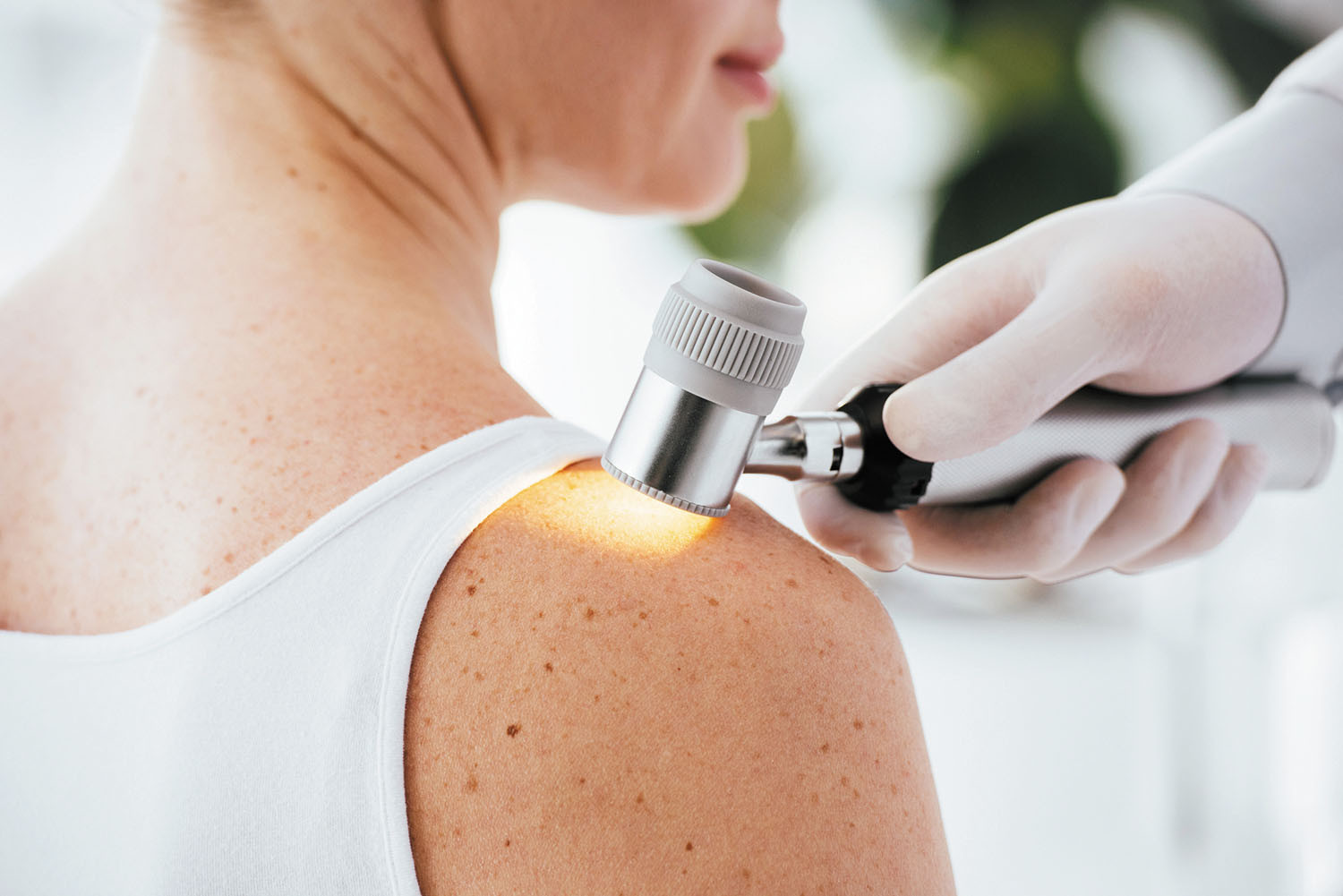

Skin cancer is one of the most common types of cancer worldwide, but it is also one of the most preventable and treatable when detected early. Many people overlook changes in their skin, assuming they are harmless moles or age spots. However, recognizing the early signs of skin cancer and seeking timely medical attention can significantly improve treatment outcomes.
Understanding the different types of skin cancer, their risk factors, symptoms, and prevention strategies is essential for maintaining long-term skin health.
What Is Skin Cancer?
Skin cancer occurs when skin cells begin to grow abnormally. This often happens due to repeated exposure to ultraviolet (UV) radiation from the sun or tanning beds. Although anyone can develop skin cancer, individuals with fair skin, frequent sun exposure, or a family history of skin cancer face a higher risk.
There are three primary types of skin cancer:
Basal Cell Carcinoma
Basal cell carcinoma is the most common form of skin cancer. It develops in the basal cells found in the outer layer of the skin. It grows slowly and rarely spreads to other parts of the body, but it can cause significant damage if left untreated.
Squamous Cell Carcinoma
Squamous cell carcinoma develops in the squamous cells near the skin’s surface. It is more aggressive than basal cell carcinoma and may spread if not diagnosed and treated early.
Melanoma
Melanoma is the most dangerous type of skin cancer. It begins in the melanocytes, the cells responsible for producing skin pigment. Although less common, melanoma can spread rapidly to other organs, making early detection extremely important.
Common Signs of Skin Cancer
Skin cancer often begins with visible changes in the skin. Learning to recognize these warning signs can help you seek treatment before the disease progresses.
A New Growth
A new mole, bump, or patch of skin that continues to grow should never be ignored. Any unusual growth deserves medical evaluation.
Changes in Existing Moles
Watch for moles that change in:
- Size
- Shape
- Color
- Texture
- Height
The ABCDE rule is a useful guide:
- A – Asymmetry: One half differs from the other.
- B – Border: Uneven or poorly defined edges.
- C – Color: Multiple colors or uneven pigmentation.
- D – Diameter: Larger than approximately 6 millimeters.
- E – Evolving: Changes over time.
Non-Healing Sores
A sore that bleeds, crusts, or refuses to heal after several weeks may indicate skin cancer.
Persistent Itching or Pain
While many skin conditions cause itching, persistent discomfort associated with a mole or skin lesion should be examined by a dermatologist.
Risk Factors
Several factors increase the likelihood of developing skin cancer.
- Frequent sun exposure
- History of sunburns
- Indoor tanning
- Fair skin
- Light-colored eyes
- Family history of skin cancer
- Weakened immune system
- Increasing age
However, skin cancer can affect individuals of every skin tone and age group.
How to Protect Your Skin
Prevention plays a vital role in reducing skin cancer risk.
Wear Sunscreen Daily
Choose a broad-spectrum sunscreen with SPF 30 or higher. Apply it generously to all exposed skin and reapply every two hours when outdoors.
Avoid Peak Sun Hours
Try to limit direct sun exposure between 10 a.m. and 4 p.m., when UV rays are strongest.
Wear Protective Clothing
Long-sleeved shirts, wide-brimmed hats, sunglasses, and UV-protective clothing provide an extra layer of defense against harmful rays.
Avoid Tanning Beds
Artificial UV radiation can damage skin cells just as natural sunlight does and significantly increases the risk of melanoma.
Perform Monthly Skin Self-Exams
Check your entire body once a month using a mirror. Pay attention to hard-to-see areas, including the scalp, back, feet, and between the toes.
When to See a Dermatologist
Schedule an appointment with a dermatologist if you notice:
- A new or unusual mole
- A mole that changes over time
- A sore that does not heal
- Persistent redness or swelling
- Bleeding or crusting skin lesions
- Any suspicious skin growth
Annual skin examinations are especially recommended for people with a higher risk of skin cancer.
Diagnosis and Treatment
If skin cancer is suspected, a dermatologist may perform a skin biopsy to determine whether cancer cells are present.
Treatment depends on the type, size, and stage of the cancer and may include:
- Surgical removal
- Cryotherapy
- Topical medications
- Radiation therapy
- Immunotherapy
- Targeted therapy
- Chemotherapy in advanced cases
Early-stage skin cancers often require only minor procedures and have excellent recovery rates.
Conclusion
Skin cancer is a serious but highly preventable disease. Paying close attention to changes in your skin, protecting yourself from excessive UV exposure, and scheduling regular skin examinations can greatly reduce your risk.
Early detection remains the most effective defense against skin cancer. If you notice any unusual skin changes, consult a dermatologist promptly. Taking proactive steps today can help protect your skin and support your overall health for years to come.
