
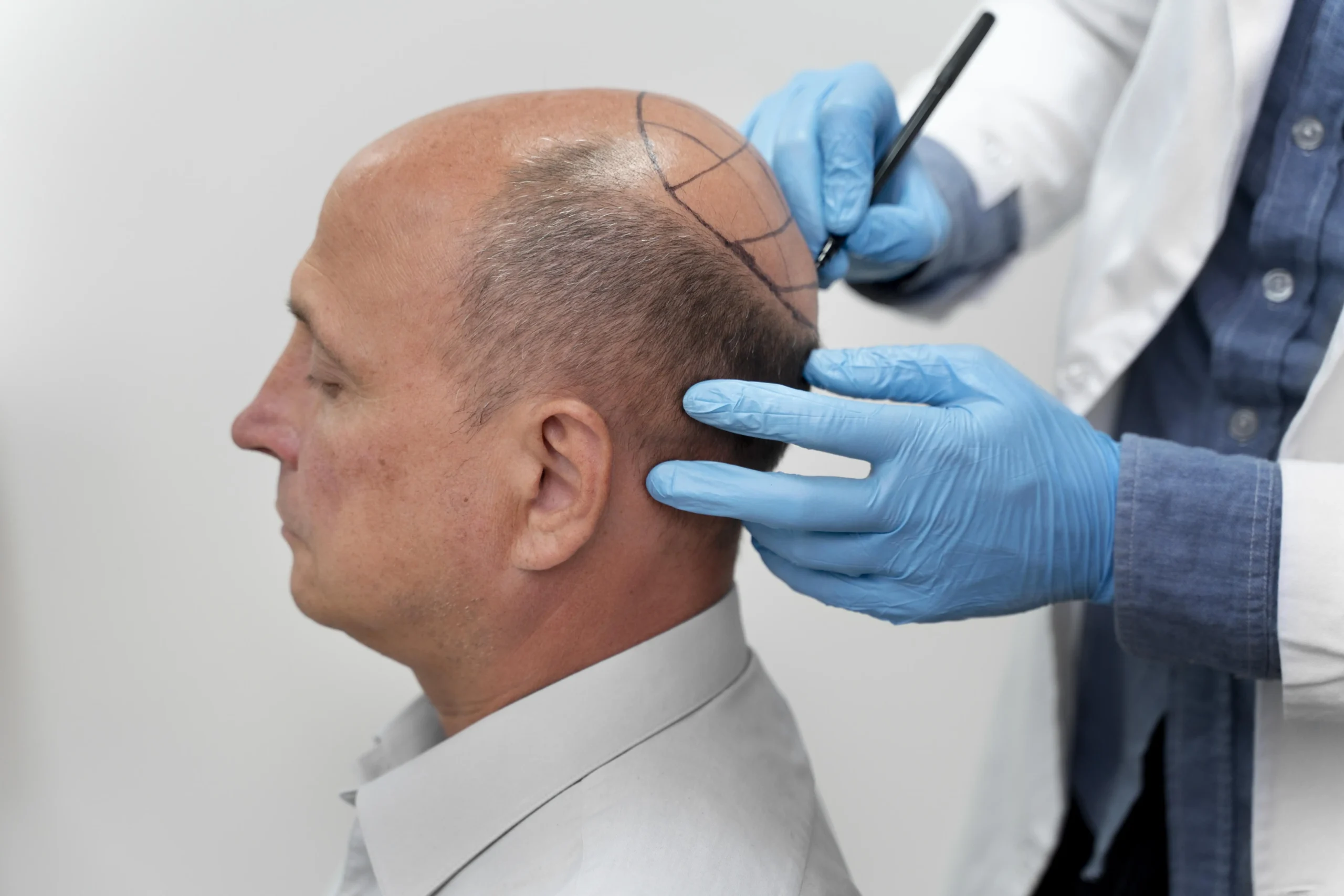

Hair transplant surgery moves healthy hair follicles from one part of the scalp to areas where hair has thinned or stopped growing. People choose this option for many reasons, including genetic hair loss, thinning after injury, or receding hairlines that affect their appearance. The goal is to restore a fuller, more natural-looking head of hair using a person’s own follicles. Here’s more information on the process and benefits of hair transplants:
How a Transplant Is Done
A hair transplant relocates follicles from a donor site to a recipient area on the scalp, and surgeons use two main surgical techniques. Follicular unit extraction (FUE) removes individual follicular units directly from the scalp, while follicular unit transplantation (FUT) removes a thin strip of tissue. The surgeon then divides this tissue into smaller grafts. In both methods, the surgeon prepares the recipient area, and each graft is placed to match the natural direction of surrounding hair growth.
Surgeons most often take these donor follicles from the back of the head, a region known as the safe donor zone. Hair in this area tends to remain stable over time, which makes it a reliable source for donation. Local anesthesia keeps the area numb throughout the session, and most procedures are completed within several hours depending on the number of grafts. The number of grafts needed varies from person to person based on the size of the treatment area.
What Dihydrotestosterone Is
Dihydrotestosterone (DHT) is a hormone derived from testosterone; it plays a central role in genetic hair loss, or androgenetic alopecia. When DHT binds to receptors in certain follicles, those follicles can shrink over time and produce thinner, shorter strands. Follicles at the back of the head are less sensitive to DHT than those at the crown or hairline. This resistance is the reason surgeons harvest from this region, and it also explains why transplanted hair often keeps growing. Because these grafts carry their DHT resistance, they tend to remain in the new location more effectively than native follicles.
How To Support Your Results
Recovery after a hair transplant is straightforward, though the exact timeline depends on the technique used and the individual. Small scabs will form around the grafts and fall away within a couple of weeks. Most people return to light daily activities within a few days, but avoid strenuous exercise and direct sun exposure while healing.
Some redness or swelling in the treated area is common during the first several days. Your surgeon will provide instructions on washing, sleeping positions, and when it is safe to resume your normal routine. Transplanted follicles often shed within the first few weeks, and new growth typically begins over the following months.
To support your results, follow your surgeon’s aftercare guidance closely, protect the scalp from injury, and attend any follow-up visits. Some people also use prescribed treatments to help maintain their existing native hair, which can help preserve overall density. Maintaining a healthy lifestyle, managing stress, and avoiding harsh styling practices also helps protect your hair’s appearance over time.
Schedule a Hair Transplant Today
A hair transplant is a structured procedure that uses your own DHT-resistant follicles to address areas of thinning or loss. Understanding how the process works, what DHT is, and how to care for your scalp afterward helps you plan ahead. A professional assessment gives you clear information about the number of grafts, the expected timeline, and the aftercare involved. Contact a hair restoration clinic today to schedule your consultation and learn more about your options.
