
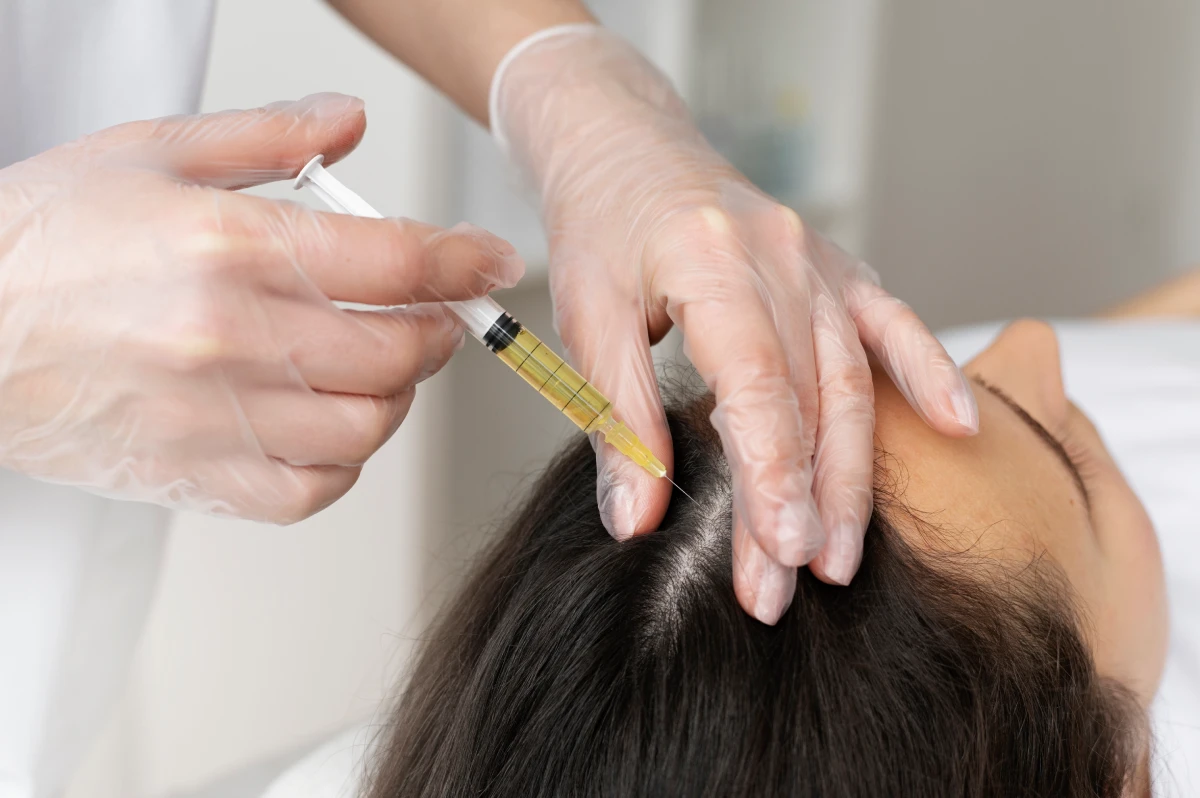

PRP, or platelet-rich plasma, is a treatment that uses components of a patient’s own blood to support the body’s natural healing process. The blood is processed to concentrate the platelets before being injected into a targeted area to address certain injuries. Here is an overview of what to know about PRP treatment:
How Does PRP Work?
Platelets carry growth factors, proteins that play a role in the body’s repair signals. When a provider concentrates these platelets and places them near damaged tissue, the treatment supports the area where recovery is slow. The concentration step separates PRP from a standard blood draw. A specialized machine spins the sample so platelets gather in a dense layer. The provider then collects that layer and prepares it for the targeted site.
Which Conditions Does It Benefit?
PRP has become an option for several musculoskeletal concerns. Providers use it for joints, tendons, ligaments, and muscles that show wear or damage. Here are some areas where PRP is frequently applied:
- Osteoarthritis: It is often applied to knees, hips, and shoulders where cartilage has worn down over time.
- Tendon injuries: Conditions such as tennis elbow or Achilles strain may receive PRP to target stubborn tendon tissue.
- Ligament sprains: It can support ligaments that heal slowly after a sprain or overuse.
- Muscle strains: Athletes and active adults sometimes use PRP for muscle tears that interrupt training.
- Chronic joint pain: People with ongoing discomfort may explore PRP when movement becomes difficult.
What Does Treatment Involve?
The PRP process follows a clear sequence. A provider walks you through preparation, draws your blood, and then delivers the concentrate to the targeted area. The following steps describe what generally happens during a visit.
Preparation and Blood Draw
Your provider reviews your history to confirm whether PRP suits your needs. A staff member then draws a small blood sample, much like a routine lab test. The sample goes into a centrifuge, where it is spun to separate the platelet-rich portion.
Injection and Aftercare
Once the concentrate is ready, the provider cleans the treatment site and places the PRP with a fine needle. Some providers use imaging guidance, and this helps position the concentrate precisely. Staff give you recovery and aftercare instructions for the hours and days after treatment.
What Are the Benefits and Risks?
PRP is a minimally invasive option, and it uses your own blood rather than synthetic substances. Adults often appreciate the short in-office visit, which usually avoids the downtime tied to surgery. Since results vary, a provider will set realistic expectations during your consultation.
Every procedure has some risks, and PRP is no exception. Mild soreness, swelling, or bruising can appear at the injection site. These effects often fade within a few days, and your provider will explain what to watch for. Recovery generally allows a return to light activity soon after treatment, but your provider may ask you to limit strain for a period. Rest, gentle movement, and follow-up visits help you track progress.
Schedule Your PRP Appointment Today
Platelet-Rich Plasma therapy offers a minimally invasive option for promoting natural healing and tissue repair. While mild side effects such as soreness or swelling are possible, they usually resolve quickly. Following your provider’s personalized aftercare instructions is key to optimizing results and supporting a smooth recovery. Contact a trusted healthcare provider near you to schedule your PRP appointment today.
