
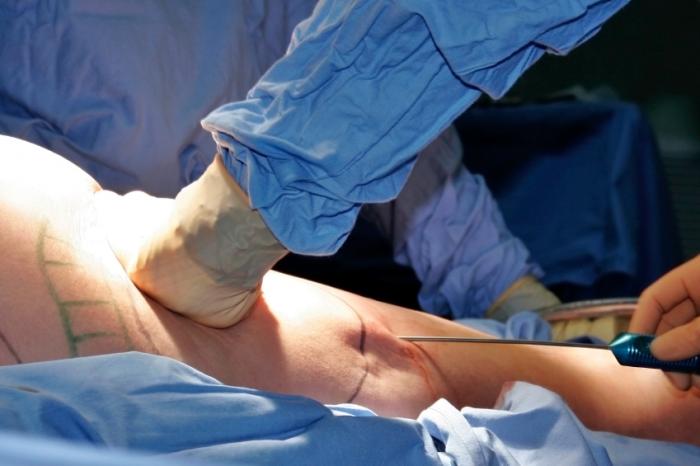

Liposuction removes stubborn fat deposits that do not respond to diet and exercise. Liposuction is not a single, uniform procedure and comes in many forms. Techniques in fat removal include mechanical vibration, laser energy, ultrasonic waves, or pressurized fluid to loosen fat before removal. Understanding how these techniques differ can help you have a more informed conversation with your surgeon and set realistic expectations for your results.
Power-Assisted
Power-assisted liposuction (PAL) uses a specialized cannula, a thin, hollow tube, that vibrates rapidly in a back-and-forth motion. This mechanical movement breaks apart fat cells more efficiently than manual techniques, allowing the surgeon to remove fat with greater precision and less physical force.
Because the cannula does much of the work, PAL can shorten procedure times and reduce trauma to surrounding tissue. Less bruising and swelling during recovery can happen as a result. The technique is also well suited for removing larger volumes of fat in a single session.
Laser-Assisted
Laser-assisted liposuction (LAL) uses a small laser fiber inserted through a tiny incision. The laser energy heats and liquefies fat cells, which the surgeon then gently suctions out through a cannula. The results are lasting with minimal invasion to incision sites.
One of the primary benefits of LAL is its potential to stimulate collagen production. The heat generated by the laser may encourage the skin to contract, producing a firmer, more toned appearance after fat removal. Because the fat is liquefied before extraction, the procedure is often less traumatic to tissue, and incisions are typically very small.
This type of liposuction is best suited for patients with small, localized areas of fat and mild skin laxity. Common treatment areas include the chin, neck, upper arms, and inner thighs. Patients seeking significant fat reduction across large areas may benefit more from another technique.
Ultrasound-Assisted
Ultrasound-assisted liposuction (UAL) delivers high-frequency sound waves through a specialized probe. These ultrasonic vibrations emulsify fat cells, converting them into a liquid that is easier to remove. The precision of this type of liposuction makes it ideal for body contouring and high-definition sculpting, such as enhancing abdominal definition, in patients with less fat to lose.
Water-Assisted
Water-assisted liposuction (WAL) uses a gentle, fan-shaped stream of tumescent solution to separate fat cells from surrounding tissue. The solution contains a local anesthetic and a medication that constricts blood vessels. As the fluid loosens the fat, the surgeon simultaneously suctions loosened fat out.
WAL is a strong option for patients with moderate fat deposits who want other procedures done with fat loss. This includes patients who’re using their own fat for natural augmentation elsewhere on the body. Discuss this option with your doctor if you have other cosmetic needs for your removed fat.
Schedule a Liposuction Consult
Each technique offers unique benefits, and the most appropriate approach depends on your anatomy, fat loss goals, and overall health. Liposuction is most effective for patients who are near their goal weight already and in good general health. Find a specialist and begin planning your personalized treatment for body shaping today.
