
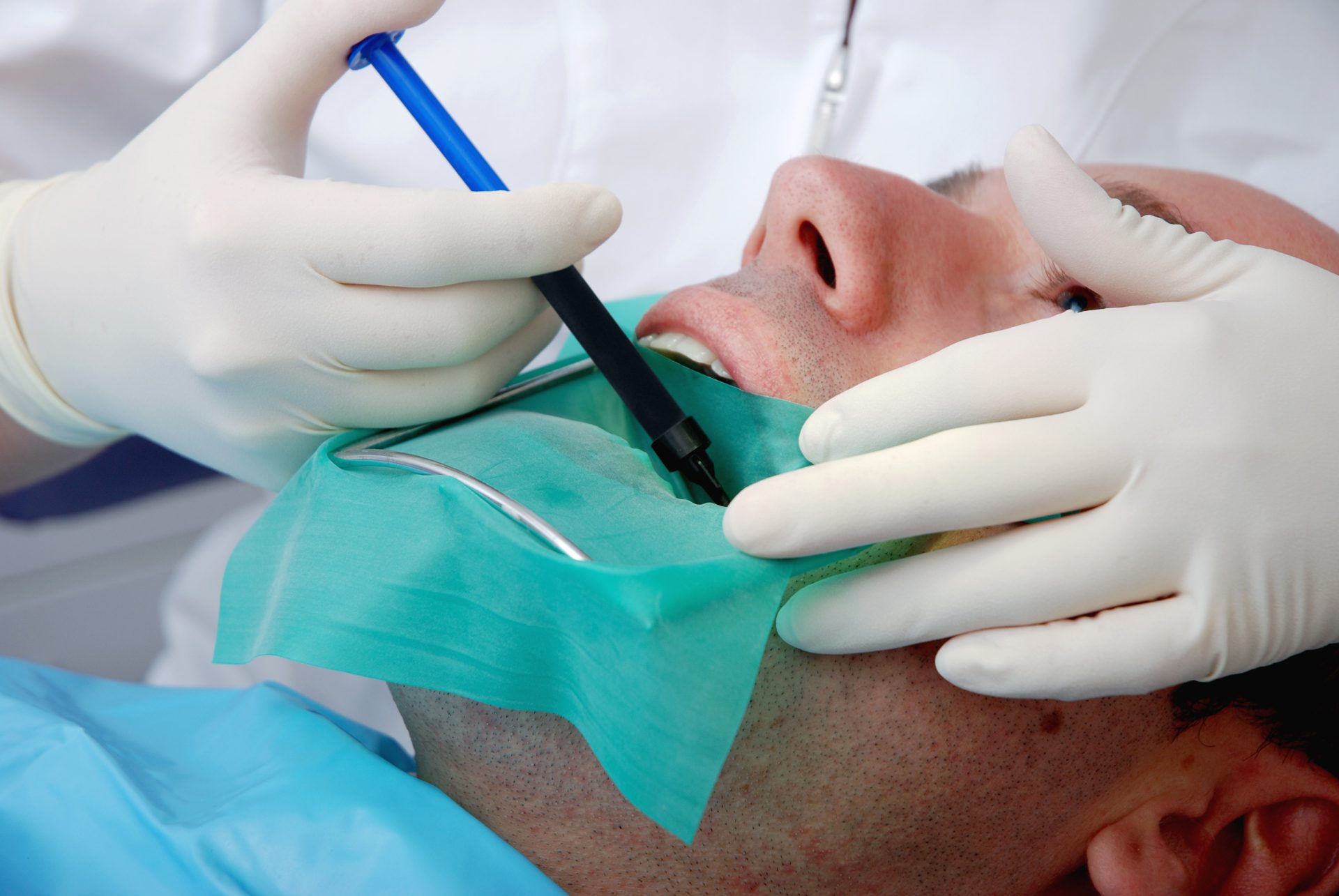

A root canal addresses damage or infection inside a tooth’s soft tissue, known as the pulp. A dental professional removes the affected pulp, cleans the inner chamber, and seals the tooth to prevent further issues. This procedure offers several practical outcomes that support long-term oral health, and understanding them helps you make a well-informed decision when your dentist recommends treatment. Here are some benefits of getting a root canal:
Preserving Your Natural Tooth
Keeping your natural tooth in place is one practical outcome of a root canal. Rather than extracting a damaged tooth, the procedure treats the problem from within, and it leaves the outer structure intact. This is fundamental to maintaining your mouth’s natural form. Your natural teeth are built to handle everyday chewing and speaking, so preserving them directly supports those daily functions. A treated tooth also maintains the natural spacing in your mouth. When a tooth stays where it belongs, the surrounding teeth may be less likely to drift out of position over time. This stability helps protect your overall bite alignment.
Stopping Infection From Spreading
When the pulp becomes infected, the problem does not stay contained on its own. It may spread to:
- Other teeth
- The face
- The jaw
- The bloodstream
Early treatment limits further complications. A root canal addresses the source directly; it removes the material that allows bacteria to multiply inside. This step is fundamental to protecting the surrounding tissue and bone. A sealed tooth no longer provides an open pathway for bacteria to travel deeper into the jaw.
Restoring Normal Tooth Function
A damaged tooth can make routine tasks harder; a root canal restores the tooth’s function. Your dental provider typically places a crown afterward to reinforce the structure. This step adds protection, which allows the treated tooth to withstand the pressure of daily use. Here are several ways a restored tooth can support normal function:
- Chewing: The tooth handles biting and grinding without the strain caused by internal damage.
- Speaking: A complete set of teeth supports clear pronunciation during conversation.
- Even pressure: A functional tooth allows you to distribute chewing force across your mouth rather than favoring one side.
- Appearance: A crown placed over the tooth blends with your natural teeth and maintains a consistent look.
With these functions restored, the treated tooth can perform much like it did before the procedure began. A full recovery depends on following your provider’s aftercare guidance and attending scheduled follow-up visits.
Supporting Long-Term Oral Health
A root canal contributes to long-term oral health in ways that extend beyond the day of treatment. Because the procedure preserves your natural tooth, it helps maintain the jawbone structure that supports it. A tooth left in place continues to stimulate the surrounding bone through normal use; this may prevent bone loss in the area over time.
Keeping your natural tooth simplifies your daily care routine because you brush and floss a treated tooth the same way you care for your other teeth. Regular checkups allow your dental provider to monitor the tooth; they’re able to confirm that it continues to function properly. Because a treated tooth can be cared for like your other teeth, maintaining good oral hygiene remains convenient.
Inquire About a Root Canal
A root canal preserves your natural tooth and removes infected tissue; it also restores everyday function and supports your mouth’s long-term structure. Each of these outcomes functions together to keep your dental health stable. If your provider has recommended this procedure, schedule a consultation to review your options and learn what treatment involves for your specific situation.
