
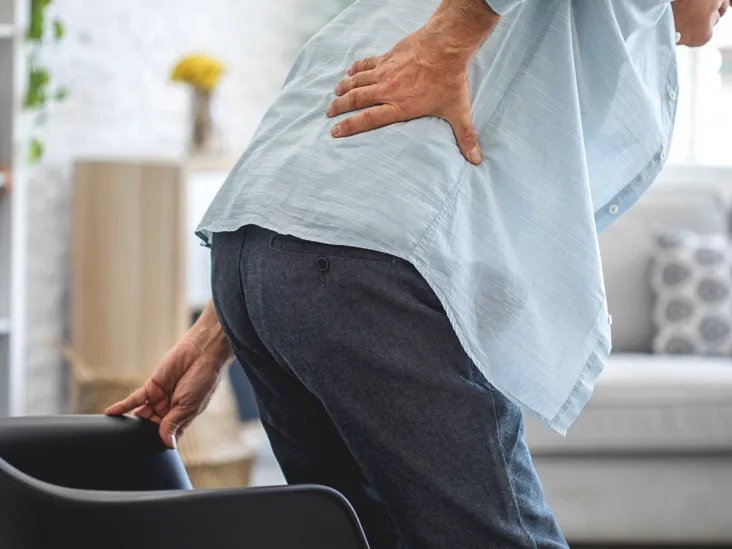

Back pain is one of the most common health problems affecting people of all ages. It can range from a mild ache that lasts a few days to severe, chronic pain that interferes with work, sleep, and daily activities. While many cases improve with simple home care, persistent or worsening back pain may require medical attention.
Learning about the causes, treatment options, and preventive measures can help you manage back pain effectively and maintain a healthy, active lifestyle.
What Is Back Pain?
Back pain refers to discomfort that occurs anywhere along the spine, including the neck, upper back, middle back, and lower back. Lower back pain is the most common type because this area supports much of the body’s weight and movement.
Back pain may be:
- Acute: Lasts less than six weeks.
- Subacute: Lasts between six and twelve weeks.
- Chronic: Persists for more than three months.
The severity and duration of pain often depend on the underlying cause.
Common Causes of Back Pain
Several factors can contribute to back pain, ranging from muscle strain to spinal conditions.
Muscle or Ligament Strain
Lifting heavy objects improperly, sudden awkward movements, or repetitive physical activities can strain muscles and ligaments, leading to pain and stiffness.
Poor Posture
Sitting for long hours, slouching while using electronic devices, or standing incorrectly can place excessive stress on the spine.
Herniated Disc
A herniated or slipped disc occurs when the soft cushioning between the spinal bones pushes outward and presses on nearby nerves. This may cause back pain, numbness, or pain radiating into the legs.
Arthritis
Osteoarthritis can affect the spine, causing inflammation, stiffness, and reduced flexibility. In severe cases, arthritis may narrow the space around the spinal cord.
Osteoporosis
Weak and brittle bones increase the risk of spinal fractures, particularly in older adults.
Symptoms of Back Pain
Symptoms vary depending on the cause but commonly include:
- Dull or sharp pain
- Muscle stiffness
- Difficulty standing straight
- Pain that worsens with movement
- Limited flexibility
- Pain radiating to the hips or legs
- Tingling or numbness in the lower limbs
If back pain is accompanied by loss of bladder control, severe weakness, or numbness in the groin area, seek emergency medical care immediately.
Treatment Options
Most cases of back pain improve with conservative treatment.
Stay Active
Although rest may help during the first day or two, prolonged bed rest can weaken muscles and delay recovery. Gentle movement and light activities are generally recommended.
Physical Therapy
A physical therapist can teach exercises that strengthen the core muscles, improve posture, and increase flexibility. These exercises help reduce pain and prevent future episodes.
Pain Relief Medications
Over-the-counter medications such as acetaminophen or nonsteroidal anti-inflammatory drugs (NSAIDs) may help relieve pain and reduce inflammation. Prescription medications may be necessary for more severe cases.
Heat and Cold Therapy
Applying an ice pack during the first 48 hours can reduce swelling. After that, a heating pad or warm compress may help relax muscles and improve blood circulation.
Medical Procedures
If conservative treatments fail, healthcare providers may recommend injections, nerve blocks, or surgery, depending on the underlying condition.
Tips to Prevent Back Pain
Preventing back pain often involves simple lifestyle changes.
Maintain Good Posture
Sit with your back supported and feet flat on the floor. Avoid slouching, especially during long periods of sitting.
Exercise Regularly
Strengthening the core, back, and abdominal muscles helps support the spine. Walking, swimming, yoga, and stretching are excellent low-impact activities.
Lift Objects Properly
When lifting heavy items, bend your knees instead of your waist. Keep the object close to your body and avoid twisting while lifting.
Maintain a Healthy Weight
Excess weight increases pressure on the spine and contributes to back pain. A balanced diet and regular physical activity can help maintain a healthy weight.
Choose Supportive Footwear
Comfortable shoes with proper arch support help maintain good posture and reduce strain on the back.
When to See a Doctor
Consult a healthcare provider if your back pain:
- Lasts longer than a few weeks
- Becomes increasingly severe
- Follows a fall or injury
- Causes numbness or weakness
- Radiates down one or both legs
- Interferes with sleep or daily activities
Early diagnosis can prevent complications and improve recovery.
Conclusion
Back pain is a common condition, but it does not have to control your life. Understanding its causes, recognizing warning signs, and following appropriate treatment strategies can help reduce discomfort and improve mobility.
Simple lifestyle changes such as maintaining good posture, exercising regularly, lifting correctly, and staying active play a major role in preventing back pain. If your symptoms persist or worsen, consult a healthcare professional to receive an accurate diagnosis and personalized treatment plan. Early care is the key to protecting your spine and enjoying a healthier, pain-free future.
