
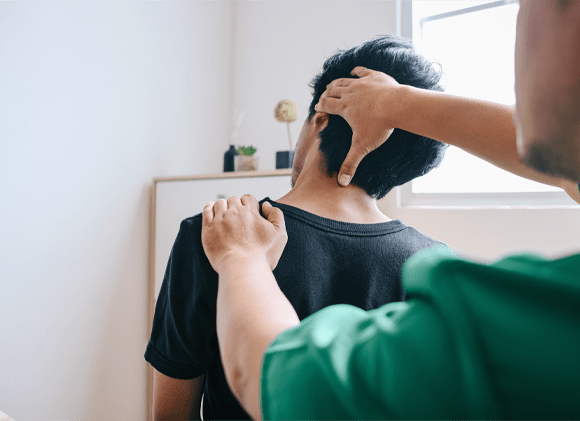

Neck pain is discomfort, stiffness, or soreness in the cervical spine, which supports your head and connects it to your upper back. It affects people of all ages, though structural changes in the spine make it more common for older adults. Learning about the causes of neck pain helps you describe your symptoms clearly and participate in decisions about your care. Here are some causes of neck pain and how to find relief:
Bone Spurs
Bone spurs are smooth, bony growths that form along the edges of bones. In the neck, they often develop as the body responds to wear on the joints and discs over time. When cartilage thins and discs lose height, the vertebrae rub against one another, and the body adds extra bone to stabilize the area. Many people have bone spurs and never notice them. Problems arise when a spur presses on a nerve root or limits joint movement. You may then notice stiffness, a grinding sensation when you turn your head, or pain that spreads into your shoulders.
Treatment depends on symptom severity. Physical therapy can improve neck mobility and strengthen the muscles that support your spine, while over-the-counter pain relievers help manage discomfort. If a bone spur compresses a nerve and causes persistent pain, a doctor may recommend corticosteroid injections or surgery to relieve the pressure.
Pinched Nerves
Pain that travels from your neck down one arm often points to a pinched nerve. The medical term is cervical radiculopathy, and it happens when surrounding tissue puts pressure on a nerve root as it exits the spine. Common sources of that pressure include herniated discs, bone spurs, and swelling from an injury. Symptoms vary based on which nerve is affected. They may include:
- Sharp or burning pain in the neck, shoulder, or arm
- Numbness or tingling in the hand or fingers
- Weakness in the arm or grip
- Pain that worsens with certain head positions
Spinal Stenosis
Spinal stenosis is a narrowing of the open space inside the spine that holds the spinal cord. Narrowing often results from thickened ligaments, bulging discs, or bone spurs that take up room. As the space shrinks, the spinal cord and nerve roots come under more pressure. Some people with mild stenosis feel little or nothing; others develop neck pain and symptoms that reach beyond the neck. Because the spinal cord carries signals to the entire body, neck compression may cause clumsy hands, trouble with fine motor tasks, or changes in balance and walking. Physical therapy helps strengthen the neck muscles and support movement. A doctor may also recommend anti-inflammatory medications or corticosteroid injections to manage pain and inflammation.
Degenerative Disc Disease
Degenerative disc disease describes age-related changes in the discs that cushion your vertebrae. Each disc has a tough outer ring and a gel-like center. Over time, discs lose water, thin, and absorb shock less effectively. These changes lead to neck pain in several ways:
- A worn disc allows more motion between vertebrae, which irritates nearby joints and muscles.
- The disc’s inner material may push outward and press on nerves.
- The condition often causes bone spurs, pinched nerves, and stenosis.
Treatment focuses on reducing pain and improving neck movement. Over-the-counter anti-inflammatory medications help ease discomfort, while physical therapy strengthens supporting muscles and improves flexibility. If pain persists or radiates into the arms, a doctor may recommend corticosteroid injections to reduce inflammation. Surgery is used for severe cases involving significant nerve compression or symptoms that do not improve with other treatments.
Manage Neck Pain
Treatment for neck pain depends on the cause, symptom severity, and overall health. Many people start with conservative options such as physical therapy and over-the-counter pain relievers. If symptoms persist, a provider may recommend prescription medication or, in some cases, surgery. A thorough exam and imaging help match your treatment plan to the specific source of your pain. Schedule an appointment with a spine specialist today.
