
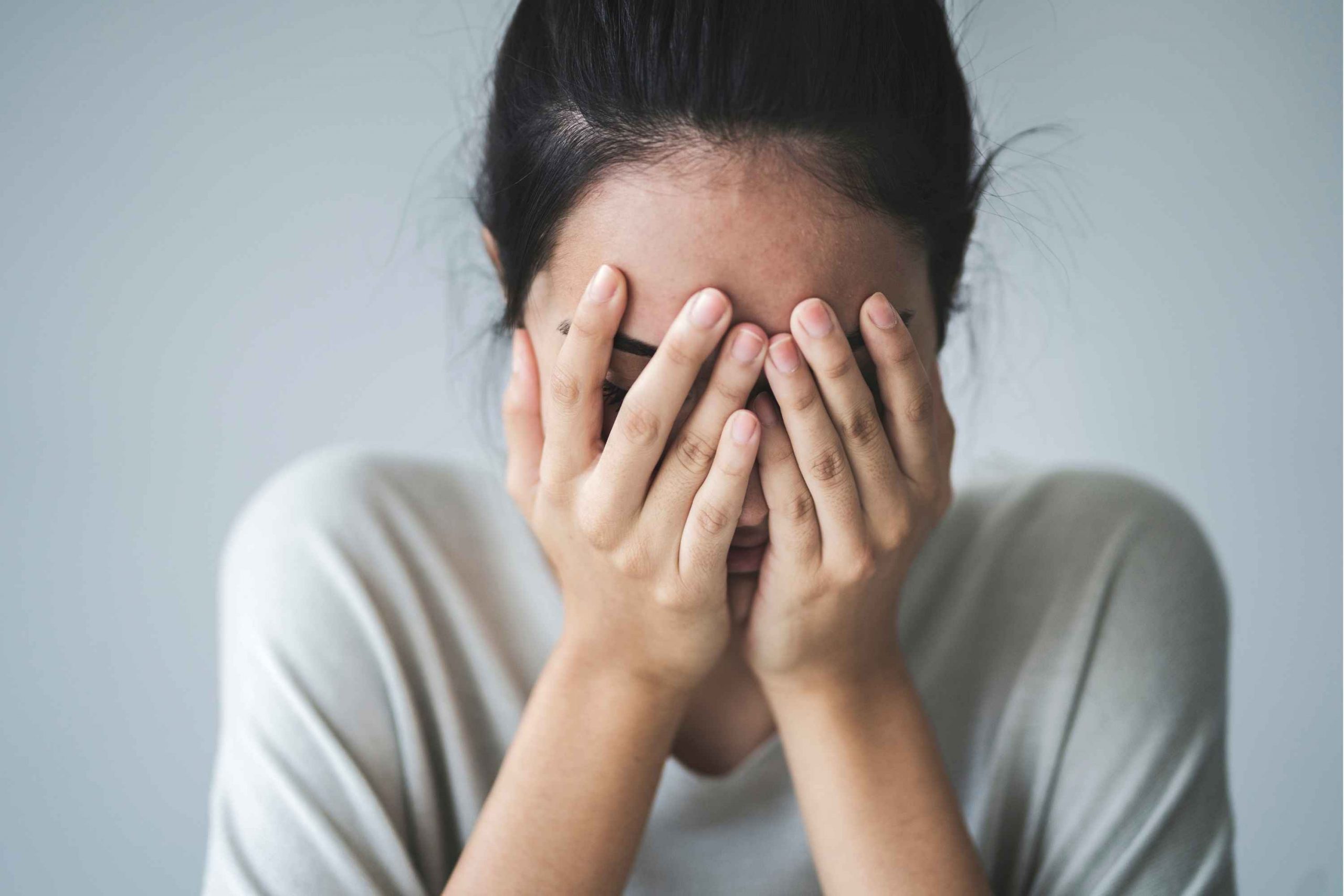

Anxiety is a normal response to stress, helping the body react to challenging or potentially dangerous situations. However, when anxiety becomes persistent, excessive, or difficult to control, it may develop into an anxiety disorder. Anxiety disorders are among the most common mental health conditions worldwide, affecting people of all ages.
Understanding the symptoms, causes, and treatment options can help individuals recognize anxiety early and seek the support they need to improve their quality of life.
What Are Anxiety Disorders?
Anxiety disorders are mental health conditions characterized by excessive fear, worry, or nervousness that interferes with daily activities. While occasional anxiety is normal, anxiety disorders involve persistent symptoms that may last for months or even years.
There are several types of anxiety disorders, including:
- Generalized Anxiety Disorder (GAD)
- Panic Disorder
- Social Anxiety Disorder
- Specific Phobias
- Separation Anxiety Disorder
Each type has unique symptoms, but they all involve intense feelings of fear or worry.
Common Symptoms of Anxiety
Anxiety affects both the mind and body. Symptoms vary from person to person and may include:
Emotional Symptoms
- Excessive worrying
- Feeling restless or nervous
- Difficulty concentrating
- Irritability
- Feeling overwhelmed
- Fear of losing control
Physical Symptoms
- Rapid heartbeat
- Sweating
- Trembling
- Shortness of breath
- Muscle tension
- Dizziness
- Fatigue
- Trouble sleeping
Some individuals may also experience panic attacks, which involve sudden episodes of intense fear accompanied by physical symptoms such as chest pain, difficulty breathing, and a racing heartbeat.
Causes of Anxiety Disorders
There is no single cause of anxiety disorders. Instead, they often result from a combination of factors.
Genetics
People with a family history of anxiety disorders may have a higher risk of developing similar conditions.
Stressful Life Events
Major life changes, financial difficulties, relationship problems, trauma, or the loss of a loved one can trigger anxiety.
Brain Chemistry
Imbalances in brain chemicals that regulate mood and emotions may contribute to anxiety disorders.
Medical Conditions
Certain health problems, including thyroid disorders, heart disease, and chronic pain, may increase anxiety symptoms.
Substance Use
Excessive caffeine, alcohol, or drug use can worsen anxiety or trigger panic attacks.
Treatment Options
Anxiety disorders are highly treatable, and many people experience significant improvement with appropriate care.
Psychotherapy
Cognitive Behavioral Therapy (CBT) is one of the most effective treatments for anxiety. It helps individuals identify negative thought patterns and replace them with healthier coping strategies.
Medications
Healthcare providers may prescribe medications such as antidepressants or anti-anxiety medications when symptoms are moderate to severe. Medication should always be taken under professional supervision.
Stress Management
Relaxation techniques can reduce anxiety and improve emotional well-being.
Helpful strategies include:
- Deep breathing exercises
- Meditation
- Mindfulness practices
- Progressive muscle relaxation
- Journaling
Healthy Lifestyle Habits
Simple daily habits can support anxiety management.
Exercise Regularly
Physical activity releases endorphins, which naturally improve mood and reduce stress. Aim for at least 30 minutes of moderate exercise most days of the week.
Get Enough Sleep
Quality sleep is essential for emotional balance. Adults should aim for seven to nine hours of sleep each night.
Eat a Balanced Diet
Choose nutritious foods such as fruits, vegetables, whole grains, lean proteins, and healthy fats. Limiting caffeine and sugary foods may help reduce anxiety symptoms.
Stay Connected
Talking with trusted friends, family members, or support groups can provide emotional comfort and reduce feelings of isolation.
When to Seek Professional Help
Consult a mental health professional if anxiety:
- Persists for several weeks or months
- Interferes with work or school
- Affects relationships
- Causes frequent panic attacks
- Leads to avoidance of daily activities
- Becomes difficult to manage independently
Early treatment often leads to better outcomes and improved quality of life.
Reducing the Stigma Around Anxiety
Anxiety disorders are medical conditions, not signs of weakness. Seeking help demonstrates strength and a commitment to personal well-being. Open conversations about mental health encourage understanding and make it easier for others to seek support without fear of judgment.
Conclusion
Anxiety disorders are common, but they are also highly manageable with the right combination of treatment, healthy lifestyle habits, and emotional support. Recognizing the symptoms early and seeking professional guidance can prevent anxiety from interfering with daily life.
If you or someone you know is experiencing persistent anxiety, remember that effective treatments are available. With proper care and support, it is possible to manage anxiety, build resilience, and enjoy a healthier, more balanced life.
