
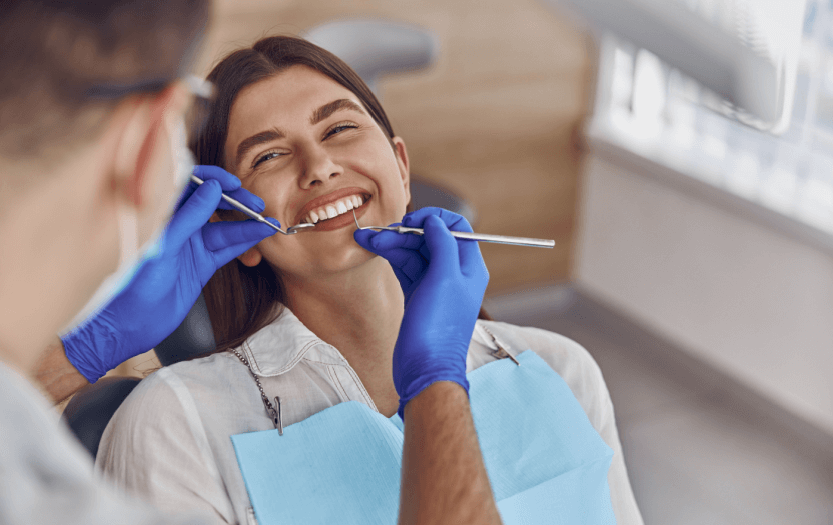

A healthy smile is more than just an attractive feature, it reflects your overall health and well-being. While brushing and flossing are essential daily habits, they are not enough to prevent every dental problem. Regular dental checkups play a crucial role in maintaining healthy teeth and gums, detecting oral health issues early, and preventing costly treatments in the future.
Whether you are a child, adult, or senior, scheduling routine dental visits can help keep your smile healthy for years to come.
Why Regular Dental Checkups Matter
Many dental problems develop gradually and may not cause pain until they become severe. Routine dental examinations allow dentists to identify issues before they progress into more serious conditions.
Regular dental visits help:
- Detect cavities early
- Prevent gum disease
- Remove plaque and tartar buildup
- Identify oral infections
- Screen for oral cancer
- Maintain fresh breath
- Protect overall oral health
Most dentists recommend visiting every six months, although some individuals may need more frequent checkups based on their oral health needs.
What Happens During a Dental Checkup?
A typical dental checkup involves several important steps designed to evaluate and improve your oral health.
Oral Examination
The dentist carefully examines your teeth, gums, tongue, and mouth for signs of decay, infection, gum disease, or other abnormalities.
Professional Teeth Cleaning
Even with excellent brushing habits, plaque can harden into tartar, which cannot be removed with a toothbrush alone. A dental hygienist uses specialized tools to remove plaque and tartar, helping prevent cavities and gum disease.
Dental X-Rays
When necessary, X-rays help identify hidden issues such as impacted teeth, bone loss, deep cavities, or infections beneath the gum line.
Oral Cancer Screening
Many dentists perform routine screenings for oral cancer by checking the lips, tongue, throat, and surrounding tissues for unusual sores or lumps.
Benefits of Routine Dental Visits
Early Detection of Cavities
Small cavities are easier and less expensive to treat than large ones. Early diagnosis can prevent the need for root canal treatment or tooth extraction.
Prevention of Gum Disease
Gum disease begins with gingivitis, causing swollen and bleeding gums. Without treatment, it can progress to periodontitis, which may lead to tooth loss.
Professional cleanings and regular monitoring significantly reduce this risk.
Fresher Breath
Persistent bad breath is often caused by plaque, bacteria, or gum disease. Routine cleanings help eliminate these causes and improve oral hygiene.
Better Overall Health
Research has shown that poor oral health may be linked to several medical conditions, including:
- Heart disease
- Diabetes
- Stroke
- Respiratory infections
Maintaining healthy teeth and gums supports overall health and wellness.
Daily Habits for Healthy Teeth
Between dental visits, practicing good oral hygiene is essential.
Brush Twice Daily
Use a soft-bristled toothbrush and fluoride toothpaste to brush for at least two minutes each morning and evening.
Floss Every Day
Floss removes food particles and plaque from areas that toothbrushes cannot reach, reducing the risk of cavities and gum disease.
Eat a Tooth-Friendly Diet
Limit sugary snacks and beverages, as sugar feeds harmful bacteria that produce acids capable of damaging tooth enamel.
Choose foods such as:
- Fresh fruits
- Vegetables
- Cheese
- Yogurt
- Nuts
- Whole grains
Drink Plenty of Water
Water helps wash away food debris and bacteria while promoting saliva production, which naturally protects your teeth.
Signs You Should Visit a Dentist Immediately
Do not wait for your routine appointment if you experience:
- Persistent toothache
- Bleeding gums
- Loose teeth
- Swollen gums
- Mouth sores that do not heal
- Tooth sensitivity
- Broken or chipped teeth
Prompt treatment can prevent complications and preserve your natural teeth.
Tips for Reducing Dental Anxiety
Many people avoid dental visits due to fear or anxiety. Fortunately, there are ways to make appointments more comfortable.
- Choose a dentist you trust.
- Communicate your concerns before treatment.
- Practice deep breathing during appointments.
- Schedule morning appointments to reduce stress.
- Bring headphones to listen to calming music.
Modern dentistry offers many techniques to make procedures safer and more comfortable than ever before.
Conclusion
Regular dental checkups are one of the most effective ways to protect your oral health and maintain a confident smile. Routine examinations, professional cleanings, and early detection of dental problems can prevent serious complications and reduce long-term treatment costs.
Combined with daily brushing, flossing, a balanced diet, and healthy lifestyle habits, regular dental visits help ensure strong teeth and healthy gums throughout every stage of life. Prioritizing preventive dental care today can lead to a healthier smile and improved overall well-being in the future.
