
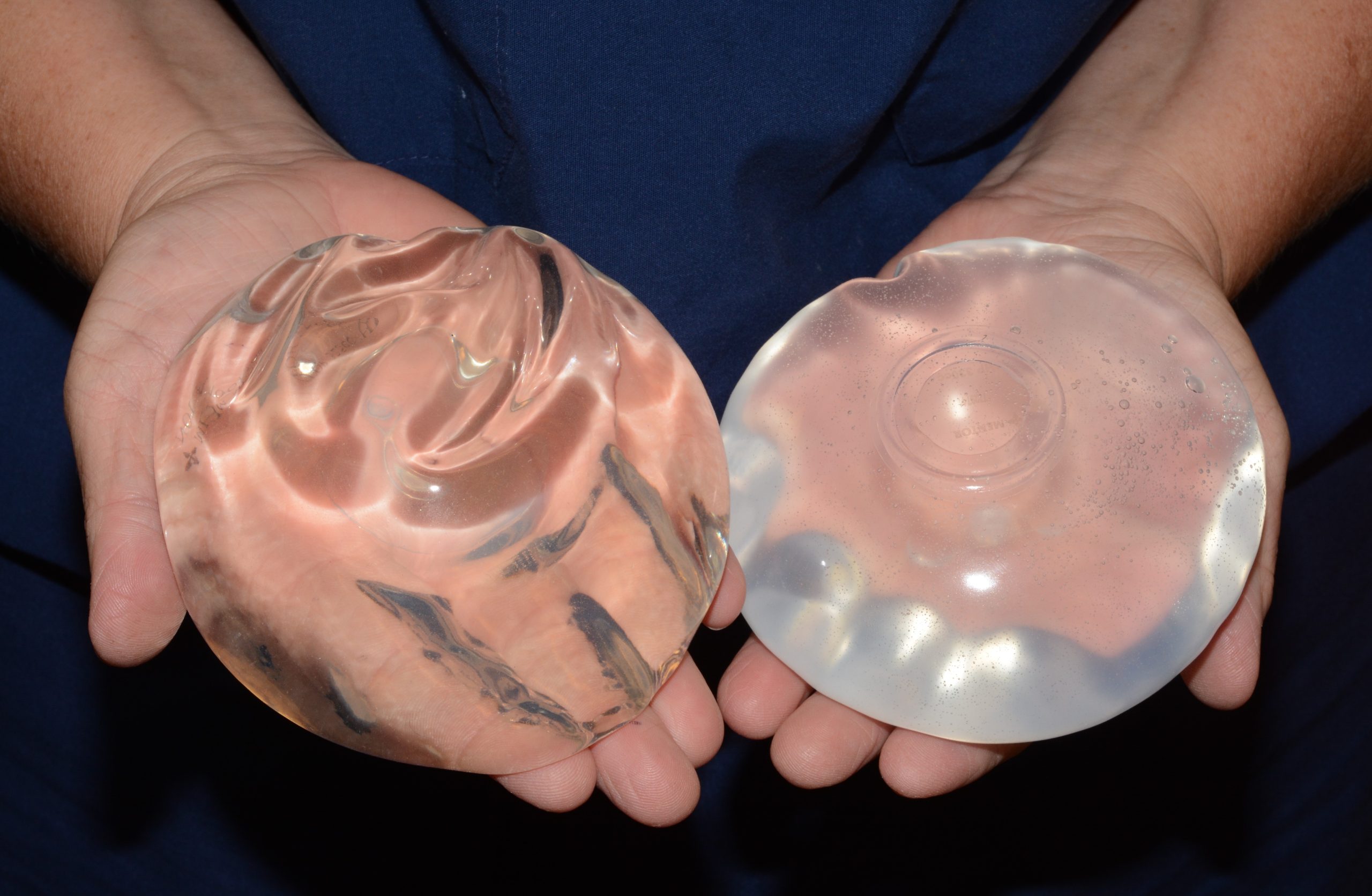

Saline and silicone implants are two options for breast augmentation. Both have a silicone outer shell, but they differ in what fills the implant and how a rupture may be detected. Understanding these differences can help you discuss the options with your plastic surgeon. Here is more information on what to review when comparing saline and silicone implants:
How Do These Options Compare?
Saline implants contain a sterile saltwater solution, while silicone implants contain a cohesive gel. The gel version tends to mimic natural breast tissue more closely, and some patients describe it as soft to the touch. Saline implants are firmer and can create a rounder look on some body types. Your natural tissue and frame also affect the final results, so appearance varies from person to person. A surgeon fills saline implants after placement, which allows minor adjustments during breast augmentation surgery.
How Do Incisions Differ?
Both implant types require an incision, but the size and location can differ. Saline implants go in empty and are filled afterward, so they often need a smaller opening. Silicone implants come pre-filled, which usually requires a slightly larger incision to place them properly. Placement is another factor worth reviewing before you decide. A surgeon positions the implant either above or below the chest muscle, and the choice affects both look and recovery. The following points outline common placement details:
- Above the muscle: This position sits between the breast tissue and the chest muscle.
- Below the muscle: This position tucks the implant under the chest muscle, which can create a more gradual slope at the top.
- Incision site: Options include the crease under the breast, around the areola, or the armpit, and each leaves a scar in a different spot.
How Is Rupture Monitored?
Every implant carries a risk of rupture over time, and the two types behave differently when this happens. A saline implant deflates when it leaks, and the body absorbs the harmless saltwater, so the change is easy to notice. A silicone implant may leak quietly, and the gel often stays within the implant pocket, which makes monitoring more helpful. Regular follow-up after a breast augmentation is a fundamental part of living with implants. Saline ruptures show up visually, while silicone ruptures may call for imaging to confirm them. Your surgeon will explain the recommended monitoring schedule during your visit.
Which Option Fits Me?
The right choice for your breast augmentation depends on your body and the look you want. Saline and silicone each suit different priorities, and neither one is a universal answer. Here are a few points to review as you compare the two:
- Feel: Silicone tends to feel softer, while saline feels firmer to the touch.
- Incision size: Saline often needs a smaller incision, and silicone usually needs a slightly larger one.
- Monitoring: Saline ruptures are easy to detect, while silicone requires periodic imaging.
- Adjustability: A surgeon fills saline during surgery, which allows minor fine-tuning.
Schedule Your Breast Augmentation Consultation
Choosing between saline and silicone implants requires understanding factors such as appearance, feel, monitoring, and adjustability. Saline implants offer flexibility during surgery and easier rupture detection, while silicone implants are favored for their natural look and feel but may require periodic imaging. Reviewing your aesthetic goals and personal priorities can help you make an informed decision with your surgeon’s guidance. Contact a certified plastic surgeon near you to schedule your breast augmentation consultation.
