
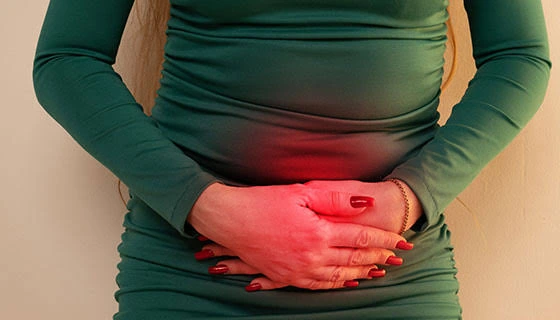

People of all ages can experience pelvic pain, which originates in the reproductive, urinary, digestive, or musculoskeletal systems. Because the pelvis contains many closely connected organs, muscles, and nerves, discomfort in this region can be difficult to describe or interpret. Recognizing the signs of pelvic pain early allows you to share accurate details with your healthcare provider.
Types of Pain
Sharp or stabbing pain is typically sudden and localized. It may be associated with conditions such as ovarian cysts, kidney stones, or nerve irritation. Dull, aching pain is more diffuse and persistent. It is frequently linked to chronic inflammation, endometriosis, or pelvic floor muscle tension.
Cramping pain often comes in waves and may resemble menstrual discomfort. It can arise from the uterus, intestines, or bladder. Pressure-like pain creates a sensation of heaviness or fullness in the lower abdomen or pelvis. Different types of pain can occur at once.
Pain Occurrence
Timing is one of the most useful details you can provide during a medical evaluation. Acute pain develops suddenly and usually lasts a short time. It often signals a specific event that requires immediate emergency care and treatment.
Chronic pain persists for six months or longer. It may remain constant or fluctuate in intensity, and it often involves several contributing factors, including muscle dysfunction, nerve sensitivity, and inflammation. This pain can vary in tolerance and type, with some consistency.
Cyclical pain follows a predictable pattern and may happen only during certain activities. Prolonged sitting, exercise, or standing for long periods can cause cyclical pain. Keeping a symptom journal that records the date, duration, and intensity of each episode can help you and your provider identify these patterns over time.
Triggers for Pain
Certain activities and bodily functions can provoke or intensify pain in the pelvis. Identifying these triggers helps narrow the possible causes and guides treatment decisions. Common triggers include:
- Physical activity: Lifting, running, or core-focused exercises may aggravate pelvic floor dysfunction, hernias, or musculoskeletal strain, leading to pelvic discomfort.
- Intercourse: Pain during or after sexual activity, known as dyspareunia, may be associated with endometriosis, vaginal dryness, pelvic floor muscle spasms, or infection.
- Urination: Burning, urgency, or pain with a full bladder may indicate a urinary tract infection, interstitial cystitis, or bladder irritation.
- Bowel movements: Discomfort during defecation can be linked to constipation, irritable bowel syndrome, or endometriosis affecting the bowel.
- Stress: Emotional strain can increase muscle tension and heighten nerve sensitivity, which may intensify existing pelvic pain.
Noting which triggers apply to your pain provides key insight for your provider and can shape a more targeted treatment approach. Your pelvic pain specialist may order an ultrasound or other test to diagnose your condition.
Visit Your Pelvic Pain Specialist
By paying close attention to the type, timing, and triggers of your symptoms, you can take an active role in your care and help your provider reach an accurate diagnosis. A urogynecologist is trained to evaluate complex urinary symptoms and develop a personalized treatment plan that addresses the underlying cause. If you are experiencing persistent or recurring pelvic pain, schedule an appointment with your specialist today.
