
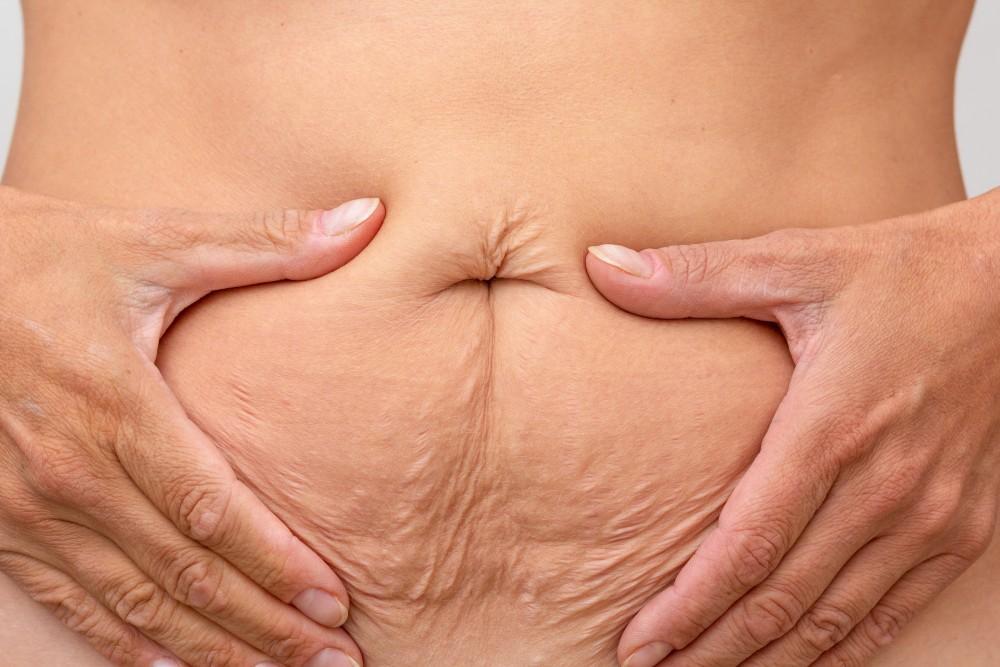

A tummy tuck, or abdominoplasty, reshapes the abdomen through surgery. The procedure removes excess skin, and it can tighten separated abdominal muscles. People often discuss it after pregnancy or major weight changes. Since the right choice depends on your health, your goals, and your timeline, you should also understand the recovery commitment.
Signs You May Qualify
Good tummy tuck candidates are at or near a stable weight. Ideally, your weight should be stable for at least six months before surgery. Exercise can strengthen your core, but it cannot remove loose skin. If your abdomen still sags after weight loss, you may qualify for surgery; a surgeon will confirm this. Skin elasticity also plays a role. Skin that has lost its ability to snap back after stretching responds well to a tuck; your surgeon will assess this during your exam. Realistic expectations also matter.
Options for Your Procedure
Here is how they compare:
- Full tummy tuck: Treats the area above and below the navel, repositions the navel, removes a larger section of skin, and often includes muscle repair. It suits patients with more significant laxity or muscle separation.
- Mini tummy tuck: Focuses on the lower abdomen with a shorter, lower incision. It does not reposition the navel and works best for patients with mild concerns below the belly button.
Incision length and scar placement vary, so ask your surgeon to explain what each option involves for your case. Since your surgeon will recommend one after an exam, they may use imaging tools or before-and-after examples to illustrate expected outcomes. Surgeons offer two main types of tuck. A full tuck treats the area above and below the navel, and it often includes muscle repair. A mini tummy tuck focuses on the lower abdomen, and it uses a shorter incision that stays low.
Your skin quality and muscle condition guide the choice. Your surgeon will recommend one after an exam. Since the full tuck also repositions the navel, it removes a larger section of excess skin. It suits patients with more significant laxity or muscle separation. The mini tuck does not reposition the navel, and it works best for patients with mild concerns below the belly button. Incision length and scar placement vary between the two, so ask your surgeon to explain what each option involves for your specific case.
Expectations for Recovery
Recovery time depends on which procedure you choose. In either case, plan to limit your activities for at least a month. A mini tuck usually needs less downtime, and a full tummy tuck needs more. Your abdominal muscles need time to heal, so avoid lifting until your surgeon clears you. Since drains may be placed to remove fluid, your care team will explain how to manage them. Sleep position matters during recovery.
Arrange for help at home during the first week, since bending and reaching will be limited. Keeping your upper body slightly elevated and your knees bent reduces tension on the incision. Your care team will show you how to position yourself safely. Having a support person available makes daily tasks easier, and it allows you to focus on rest.
Schedule Your Tummy Tuck Consultation
A consultation is the next step. Bring a list of questions and share your full medical history. Ask about the procedure type, and discuss the recovery plan. Your surgeon will also review costs and scheduling with you. If you are unsure which option fits, a surgeon can examine you, and you will decide from there. Contact the office today to book your appointment.
